


Have you ever thought of making hydrogen from aluminum? Hydrogen is often called the “miracle fuel” of the future. It is clean, produces no carbon emissions when burned, and can be used in many ways, from powering cars to heating homes. However, making hydrogen is not always easy or environmentally friendly.
Most hydrogen today is produced from natural gas or coal, which releases a lot of carbon dioxide (CO2) into the atmosphere. Even “green” hydrogen, made using renewable energy to split water into hydrogen and oxygen, has challenges. It requires a lot of energy and is only about 80% efficient.
This is why a new idea from a company called GenHydro is interesting. Instead of using electricity to make hydrogen, they use scrap aluminium. But does this make sense? Let’s take a closer look.
How Does It Work?

Aluminium is a highly reactive metal. When exposed to air, it quickly forms a thin layer of aluminum oxide (also called alumina) on its surface. GenHydro has developed a process to grind scrap aluminum into a fine powder, remove the alumina, and then expose the raw aluminum to water.
When aluminum reacts with water, it grabs the oxygen from the water molecules, leaving behind hydrogen gas. This hydrogen can then be collected and used as fuel. The reaction also produces a lot of heat, which GenHydro uses to generate electricity through a steam turbine.
According to the company, every metric ton of aluminum can produce 111 kilograms of hydrogen and 3.12 megawatt-hours (MWh) of electricity. This sounds like a great deal: you get hydrogen, electricity, and a useful byproduct (alumina) from something as simple as scrap aluminum.
One of the biggest advantages of this process is that it uses scrap aluminum, which is often thrown away. In the United States alone, about 9 million metric tons of aluminum end up in landfills every year. GenHydro’s CEO, Eric Schraud, says this scrap aluminum could produce 1 million tons of clean hydrogen annually, along with a significant amount of electricity.
Another benefit is that the system is compact. Instead of needing large tanks or pipelines to store and transport hydrogen, GenHydro’s system can be built into a unit the size of a Coke machine. This makes it easy to place the system wherever hydrogen is needed, such as at a factory or a fueling station.
The Problems with This Idea
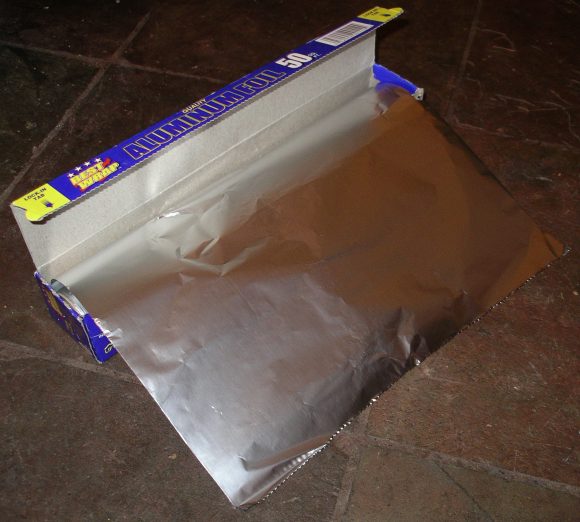
While the idea of using aluminium to make hydrogen sounds promising, there are several significant problems with this approach. One major issue is that aluminium production is extremely energy-intensive.
Making new aluminum involves mining bauxite, refining it into alumina, and then using a large amount of electricity to turn alumina into aluminum. This process, known as the Hall-Héroult process, consumes about 13 to 16 kilowatt-hours (kWh) of electricity per kilogram of aluminum.
Much of this electricity comes from coal-fired power plants, which produce a lot of carbon dioxide (CO2). Additionally, the Hall-Héroult process uses carbon anodes, which react with oxygen to produce CO2.
For every metric ton of aluminum produced, about 400 kilograms of carbon anodes are consumed. This means that making new aluminum has a large carbon footprint, making it a less-than-ideal source for producing “clean” hydrogen.
Another problem is that recycling aluminium is a much better option for the environment. Aluminum is one of the most recyclable materials on Earth. Recycling aluminium uses only 5% of the energy needed to make new aluminum from bauxite, and it produces far fewer emissions.
Because of this, recycling aluminium is a far more sustainable choice than turning it into hydrogen. GenHydro claims that it is using scrap aluminum that would otherwise end up in landfills. However, aluminum is a valuable material and should not be wasted.
As futurist Alex Steffen puts it, “There is no such thing as aluminium scrap, it is just useful stuff in the wrong place.” Instead of turning aluminum into hydrogen, we should focus on improving recycling systems to ensure that aluminum is reused efficiently.
What Do Experts Say?

Paul Martin, a hydrogen expert, has been critical of GenHydro’s idea. He raises several important questions about the process. For instance, he asks about the cycle efficiency of turning aluminum into hydrogen and back into alumina.
He also questions the CO2 and toxic emissions associated with the scrap aluminum used in the process. Martin emphasizes that aluminum is too valuable to waste in this way and should instead be recycled. He also points out that aluminum has a high embodied energy, meaning it takes a lot of energy to produce.
For example, the energy required to make one aluminum soda can is equivalent to filling that can one-third full of gasoline. This makes aluminum an incredibly valuable material that should not be used inefficiently.
Thus, while the idea of producing hydrogen from aluminium is innovative, it may not be the best use of this valuable material. Recycling aluminum is far more efficient and environmentally friendly, and we should focus on improving recycling systems to reduce waste.
Hydrogen is an important part of the clean energy future, but it should be produced in ways that are truly sustainable, such as through renewable energy-powered electrolysis. By prioritizing recycling and sustainable practices, we can create a cleaner and more efficient future.
Is This a Good Idea?
While GenHydro’s process is innovative, it may not be the best use of scrap aluminum. Recycling aluminum is far more efficient and environmentally friendly. Instead of turning aluminum into hydrogen, we should focus on improving recycling systems and reducing the amount of aluminium that ends up in landfills.
Hydrogen is an important part of the clean energy future, but we need to produce it in ways that are truly sustainable. Using renewable energy to make green hydrogen from water is a better option, even if it is less efficient.
Making hydrogen from aluminium is an interesting idea, but it may not make sense in the long run. Aluminium is too valuable to waste, and recycling it is much better for the environment. Instead of looking for new ways to use scrap aluminium, we should focus on improving recycling and reducing waste.
Hydrogen has the potential to be a clean and sustainable fuel, but we need to produce it in ways that are truly green. By using renewable energy and improving recycling, we can create a cleaner, more sustainable future for everyone.
Sources:
Leave a Reply