

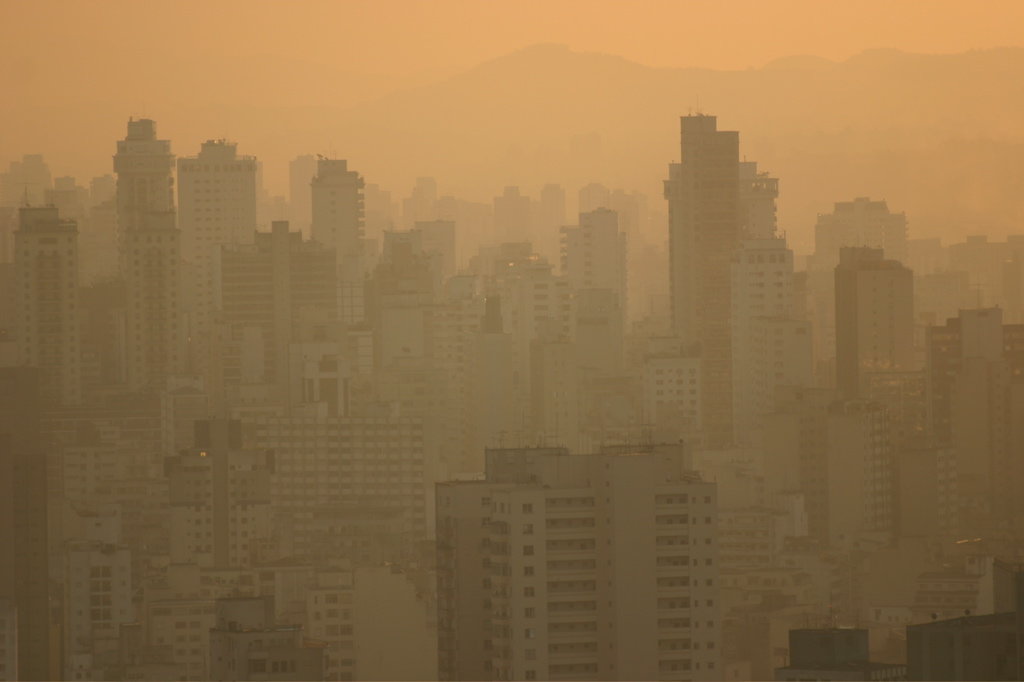
Air pollution is often invisible, yet it shapes daily life in powerful ways. We breathe thousands of times a day without thinking about what enters our lungs, trusting that the air around us is safe. Across Europe, however, that trust is increasingly misplaced.
New data shows that the vast majority of people are exposed to air pollution levels that exceed health guidelines, even in countries with strong environmental laws. While progress has been made since the early 2000s, air pollution remains one of the most serious environmental health threats on the continent.
Let’s put our concern on this topic for a while and talk about it.
Exposure Across Europe
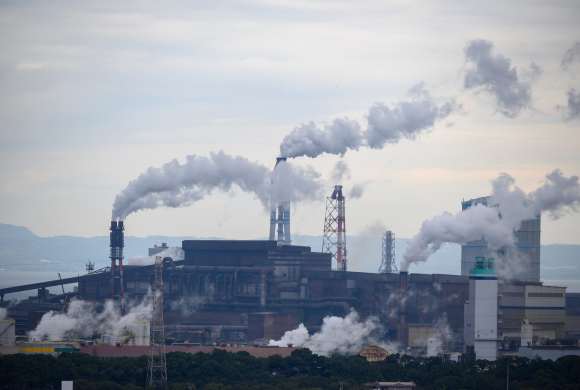
Recent findings from the European Environment Agency reveal a stark reality: around 95% of people living in the European Union are exposed to air pollution levels considered unsafe by the World Health Organization.
This does not mean occasional exposure during extreme events, but regular, everyday contact with polluted air. Cities, suburbs, and even rural areas are affected, though the sources and intensity may differ.
Air pollution is not limited to one country or region. It moves freely across borders, carried by wind and weather patterns. Industrial emissions in one area can raise pollution levels hundreds of kilometers away. Traffic-related pollution concentrates in cities, while agricultural and industrial sources affect broader regions. As a result, no country is fully insulated from the problem.
In 2023, air pollution was linked to about 279,000 premature deaths across the EU. These are not abstract figures. They represent lives cut short by heart disease, lung disease, strokes, and respiratory infections made worse by polluted air.
Many of these deaths could have been avoided if pollution levels had met WHO guidelines. This makes air pollution not just an environmental issue, but a public health emergency that unfolds quietly over time.
Talk About Main Villains

Not all air pollution is the same. Three pollutants are responsible for most of the health damage linked to air quality in Europe: fine particulate matter (PM2.5), nitrogen dioxide (NO₂), and ozone (O₃). Each affects the body differently, but all are harmful even at relatively low levels.
PM2.5 consists of tiny particles small enough to enter the bloodstream through the lungs. Because of their size, they can reach deep into the respiratory system and cause inflammation throughout the body.
Long-term exposure has been linked to heart attacks, strokes, lung cancer, asthma, and chronic bronchitis. In 2023 alone, PM2.5 exposure was associated with about 182,000 premature deaths in the EU, making it the deadliest air pollutant.
Nitrogen dioxide mainly comes from burning fuels, especially in vehicles and power plants. It irritates the airways, reduces lung function, and increases vulnerability to respiratory infections. Long-term exposure can worsen asthma and contribute to heart disease.
In 2023, NO₂ exposure above WHO guidelines was linked to around 34,000 deaths. Ozone is different because it is not released directly. It forms in the air when sunlight reacts with other pollutants from traffic and industry.
Ozone damages lung tissue, triggers asthma attacks, and reduces the body’s ability to fight respiratory infections. Exposure above safe levels was linked to about 63,000 deaths in the same year.
Why “It” Is Not Enough
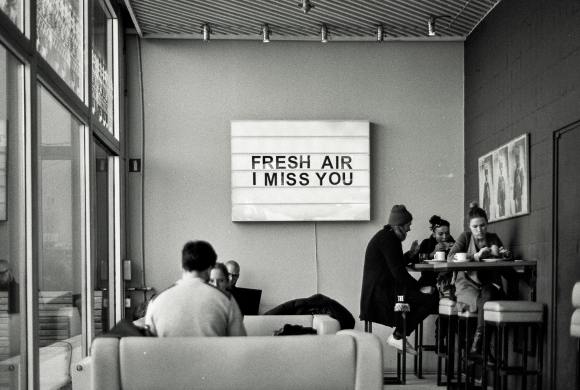
There is some good news. Compared to 2005, the number of deaths linked to air pollution in Europe has dropped significantly. Deaths related to PM2.5 have fallen by more than half, showing that environmental policies, cleaner energy, and improved vehicle standards do make a difference.
The EU’s Zero Pollution Action Plan, which aimed to cut pollution-related deaths by 55%, has technically reached its target.
Emissions from power generation and road transport have decreased due to stricter regulations, cleaner fuels, and the gradual shift toward renewable energy. Advances in technology, such as particle filters and cleaner engines, have also helped reduce pollution in many urban areas.
However, reaching a percentage target does not mean the problem is solved. Hundreds of thousands of deaths each year remain an enormous burden. Air pollution still affects nearly everyone, even in places where the air appears clean.
The WHO updated its air quality guidelines in 2021, making them more strict after new research showed that health damage occurs at lower pollution levels than previously believed. Many areas that once met older standards now fail to meet these newer, safer limits.
This gap between policy goals and health-based guidelines highlights a key issue: progress has been real, but not fast enough to fully protect public health.
Daily Life and Long-Term Health

The impact of air pollution goes far beyond premature death. For millions, it affects everyday life in ways that are harder to measure but deeply felt. Polluted air worsens asthma, increases hospital visits, and reduces the ability to exercise or spend time outdoors comfortably.
Children exposed to dirty air may experience reduced lung development, while older adults face higher risks of heart and lung disease.
Emerging research suggests that air pollution may also affect the brain. Studies increasingly link long-term exposure to pollutants with a higher risk of cognitive decline and dementia. While the science is still developing, the evidence points toward air pollution as a factor that affects the whole body, not just the lungs.
There are also social and economic effects. Health care systems carry the cost of treating pollution-related illness. Workers lose productivity due to sickness. Vulnerable groups, including children, older adults, and low-income communities, often face the highest exposure while having the fewest resources to protect themselves.
Air pollution, in this sense, deepens existing inequalities. Clean air becomes a privilege rather than a shared right, even though it should belong to everyone.
Clean Air as a Collective Choice

The data from Europe sends a clear message. Reducing air pollution saves lives, and policies work when they are ambitious and enforced. At the same time, the persistence of unsafe air for most people shows that current efforts are not enough. Cleaner transport, renewable energy, better urban planning, and reduced reliance on fossil fuels all play a role in lowering pollution further.
Air does not respect borders, and neither can solutions. Coordinated action across countries is very important, especially as climate change alters weather patterns that influence pollution levels. Clean air should not be seen as a luxury or a distant goal, but as a basic condition for health and well-being.
When pollution levels drop, the benefits appear quickly: fewer hospital visits, healthier children, longer lives. The challenge now is to treat clean air not as an optional improvement, but as a central part of how societies measure progress. The air we share shapes the future we all live in.
Sources:
Leave a Reply