


Maintaining a healthy carpet of natural lawn is something every homeowner desires, but achieving that lush, green carpet of grass takes more than just occasional mowing. It requires consistent attention, the right tools, and a bit of effort. Thankfully, with the right approach, maintaining a beautiful lawn doesn’t have to be a complicated or time-consuming task. Whether you’re a seasoned gardener or a beginner, you can take the necessary steps to improve your lawn and keep it looking fresh and healthy.
To be able to get started on your lawn, you may need to find replacement lawn mower parts at Appliance Parts Pros so that your equipment is up to scratch. You cannot have an immaculate lawn with less than great working parts, so check your machinery is up to scratch first. So, how else can you ensure that you can improve your lawn?
Fertilizing Your Lawn
Fertilization is one of the most crucial aspects of lawn care. Regular application of fertilizer helps promote healthy, green growth by providing the necessary nutrients that grass needs to thrive. A well-fed lawn will be stronger, healthier, and better equipped to withstand pests, drought, and other environmental challenges.

There are many types of fertilizers available, so it’s important to select one that is suited to your lawn’s specific needs. Consult with a lawn care expert or your local garden center to determine which fertilizer is best for your grass type and soil condition. Typically, fertilizing in the spring and fall can help your lawn stay vibrant year-round.
In addition to traditional granular fertilizers, liquid fertilizers are an option as well. These are often absorbed more quickly by grass, which can be particularly helpful during the growing season. It’s important not to over-fertilize, as this can lead to unhealthy growth and increased susceptibility to diseases or pests. Following the manufacturer’s instructions will ensure that you’re providing just the right amount of nutrients to your lawn.
Managing Weeds
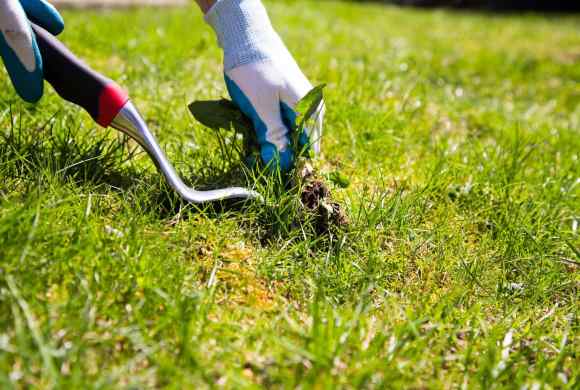
Weeds are a common problem for many homeowners with lawns. These unwanted plants can quickly take over your lawn, stealing nutrients and water from the grass. To keep your lawn healthy, it’s essential to remove weeds as soon as you spot them.
Pulling them by hand is a great way to tackle the issue, and wearing gardening gloves will keep your hands protected. The earlier you get rid of weeds, the easier it will be to manage them. In addition to hand-pulling, regular mowing will help to prevent weeds from spreading and taking root.
For more persistent weeds, consider eco-friendly herbicide alternatives like vinegar or salt solutions. These can be effective at killing weeds without the harmful chemicals found in synthetic herbicides. Always apply with caution and target specific weeds to minimize damage to surrounding plants.
Regular Trimming
Just like your hair, your lawn needs regular trimming to stay healthy and strong. A quick mow every few weeks can encourage new growth and keep your lawn looking neat and tidy. There’s nothing quite like the scent of freshly cut grass, and mowing your lawn regularly can promote even growth, preventing any patches from becoming overgrown or uneven.
When mowing, aim for a high cut to avoid stressing the grass, and make sure not to cut more than one-third of the grass height at a time to avoid damaging the blades.
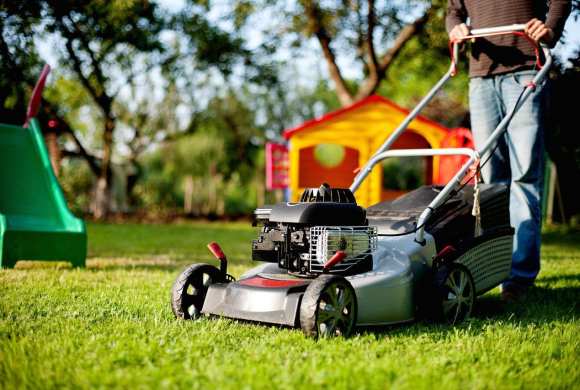
To achieve the best results, mow when the grass is dry. Wet grass can clump together and clog the mower, leading to an uneven cut. Additionally, mowing at the right time of day is important. It’s best to mow in the early morning or late afternoon, avoiding the heat of midday when the grass is stressed from the sun.
Varying Your Mowing Patterns
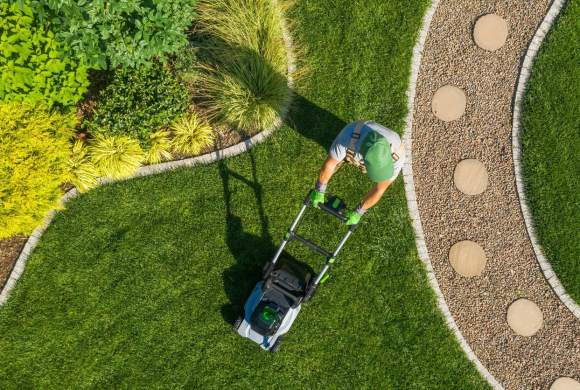
Another tip to keep your lawn healthy is to change up your mowing pattern regularly. When you mow in the same direction every time, the grass tends to grow in the direction of the mower, which can result in uneven growth. To prevent this, alternate your mowing patterns by changing the direction or angle each time you mow. This helps grass grow more evenly and avoids compacting the soil in any one direction, which can lead to thinning or bare patches.
If you want to further improve your lawn’s health, consider using a mulching mower. This type of mower chops grass clippings into tiny pieces that are then left on the lawn to decompose. The clippings provide valuable organic matter and nutrients back to the soil, which can enhance the overall health of your lawn. Over time, this creates a more sustainable lawn care routine, as you’re recycling nutrients naturally.
Lawn Paint for Color and Health
In some cases, your lawn may be affected by weather conditions like drought or frost. When this happens, you can consider using lawn paint as a solution. Lawn paint is a safe, environmentally friendly product that can be used to enhance the color of your lawn without the need for excessive watering. It’s made from natural, plant-based pigments and can give your lawn a vibrant green hue even during less-than-ideal conditions. This is particularly helpful if you live in an area with prolonged dry spells or harsh winters.
Lawn paint does not harm your grass in any way and is often used by golf courses and sports fields to maintain a pristine appearance during tough seasons. Just remember that while it can improve the visual appeal of your lawn, it won’t address underlying issues like nutrient deficiencies or pest infestations. It’s a great temporary solution, but not a replacement for proper lawn care.
Watering: The Essential Element
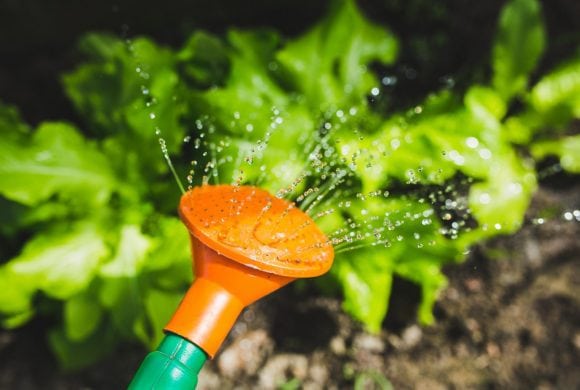
Proper watering is a vital aspect of lawn care that cannot be overlooked. Too little water can cause your grass to dry out and become brown, while over-watering can lead to root rot and fungal diseases. The key is to water deeply and infrequently rather than shallowly and often. This encourages deep root growth, which helps your lawn become more drought-resistant over time. Water your lawn early in the morning to reduce evaporation and to allow the grass to dry before evening, which helps prevent fungal growth.
For those with large lawns or those living in areas with frequent rainfall, consider installing an irrigation system to regulate water distribution. This can help conserve water and ensure your lawn receives an even amount of moisture throughout the week.
Conclusion
A healthy, green lawn requires patience, attention, and a consistent routine. From fertilizing to mowing, and even managing weeds, every aspect of lawn care plays an important role in maintaining a beautiful garden. Remember that small efforts, such as replacing mower parts, varying your mowing patterns, and even considering lawn paint, can make a big difference in the long run.
A well-maintained lawn not only adds curb appeal to your home but also provides a comfortable outdoor space for relaxation and enjoyment. So, don’t neglect your lawn—put in the time and care it deserves, and you’ll be rewarded with a lush, thriving yard that you can be proud of.
Leave a Reply