


Single-use plastic is one of the most familiar materials in modern life, yet its scale and impact are staggering. Our earth is getting dirtier and dirtier by day because of our out-of-control single-use plastic consumption.
Well, talking about this topic is almost always interesting to us. Therefore, let’s talk more about the scale of it, the limits we face, and a global view toward this problem.
Hundreds of Billions

Every year, hundreds of billions of plastic bottles are produced, and the numbers keep climbing.
One of the largest beverage producers in the world is on track to generate more than 9 billion pounds of plastic annually by the end of this decade.
That figure represents a massive increase compared to today, and it highlights a larger problem shared by industries across the globe: reliance on single-use plastics is accelerating faster than efforts to control it.
The consequences are not confined to factory floors or recycling centers. Vast amounts of this plastic end up in rivers, coastlines, and oceans, where it harms marine life and disrupts ecosystems.
Recycling, while often promoted as the answer, has proven to be far less effective than many believe.
Only a small fraction of plastic ever finds its way back into useful materials. The rest lingers for centuries, breaking down into smaller fragments that spread into every corner of the planet.
The Real Scale of Plastic Use
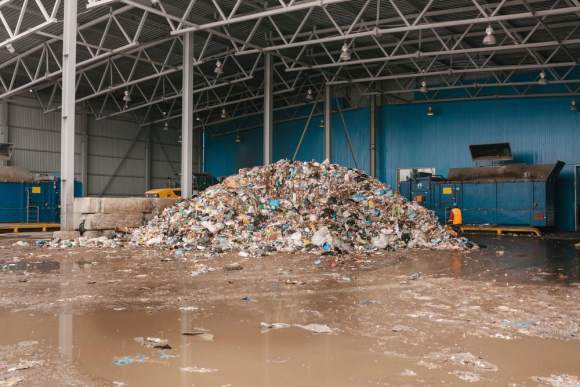
Plastic is lightweight, durable, and cheap, which is why companies depend on it so heavily for packaging. The convenience of plastic bottles and wrappers has driven production to extraordinary levels.
Some companies alone produce over 100 billion bottles each year, contributing to an estimated 500 billion bottles sold annually worldwide. That is more than 60 bottles for every person on Earth, every single year.
If current practices continue, plastic use by major producers will climb by at least 20 percent before 2030. The sheer volume is difficult to imagine. Billions of pounds of plastic could circle the Earth dozens of times if laid end to end.
Even more concerning, about a billion pounds of that total is expected to leak into waterways and oceans annually. This is the equivalent of filling the stomachs of millions of the largest animals on Earth.
Plastic bottles make up a major share of this waste, but they are not the only problem. Caps, labels, shrink wraps, and secondary packaging add layers of pollution.
Every step of the packaging process depends on plastics that are designed to be used once and discarded. The result is a steady river of waste flowing from production lines to the natural environment.
The Limits of Recycling
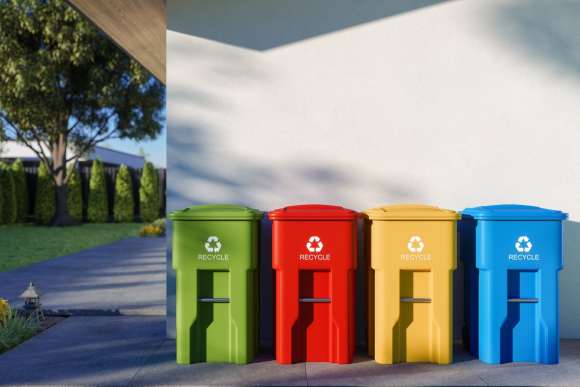
Recycling is often presented as a solution to plastic waste, but the reality is far less optimistic. Globally, only about 9 percent of plastic is ever recycled. The rest is incinerated, buried in landfills, or lost in the environment.
Even when bottles are made with recycled content, they remain single-use products that can still break down into microplastics and enter the oceans. The promise of recycling cannot keep up with the scale of production.
As more bottles are made each year, the percentage recycled becomes smaller relative to the total volume. Facilities that process plastics struggle with mixed materials, contamination, and low market demand for recycled plastic.
In many regions, it is cheaper for companies to produce new plastic from fossil fuels than to reuse old materials.
This is why many experts argue that reuse, not recycling, is the true path forward. Refillable bottles and returnable containers cut waste at the source, reducing the need for new plastic to be created at all.
Yet the current rate of reusable packaging remains very low, often less than 15 percent of total production.
For the global plastic curve to bend downward, reuse would need to increase several times over in the next decade. Without such a shift, the mountain of plastic will only grow taller.
Global Threat of Plastic Pollution

Plastic pollution is not just a local nuisance. It is a global environmental crisis. The world generates about 400 million tonnes of plastic waste each year, and more than half of it ends up in the natural environment.
Oceans bear the heaviest burden. Waves and sunlight break discarded bottles and wrappers into tiny fragments less than 5 millimeters wide, known as microplastics.
These particles are everywhere floating in seawater, embedded in sand, drifting in the atmosphere, and even lodged in ice at the poles.
Microplastics do not stay in the environment, they enter living bodies. Studies have found them in fish, seabirds, and marine mammals. They have been detected in human blood, lungs, and organs.
People consume them in bottled water, table salt, and even the air they breathe. While the full health effects are still being studied, early research suggests links to hormone disruption, inflammation, and potentially cancer.
Plastic also worsens climate change. Most plastics are made from fossil fuels, and the production process releases large amounts of greenhouse gases.
Overall, plastic production and disposal account for more than 3 percent of global emissions, similar to the entire aviation industry.
This means that reducing plastic is not only about cleaning up the oceans but also about lowering the emissions that heat the planet.
Can We Act Globally?
Yes, we can! The scale of plastic pollution makes it clear that no single country or company can solve it alone. Efforts are underway to establish a legally binding global treaty on plastics.
Such an agreement could set rules for reducing plastic production, boosting reuse systems, and improving waste management worldwide.
Negotiations are ongoing, but disagreements among nations remain sharp. Some major oil-producing countries, whose economies depend on fossil fuels, resist limits on plastic production.
Others argue for stronger commitments, emphasizing the urgency of reducing plastic before it overwhelms both ecosystems and public health. While international talks continue, local communities and organizations are not waiting.
Protests, awareness campaigns, and grassroots initiatives demand change. People are calling for refill systems in stores, bans on single-use plastics, and alternatives made from sustainable materials.
These efforts reflect a growing recognition that plastic pollution is not just about litter, it is about fairness, survival, and responsibility.
Plastic bottles are symbols of convenience, but behind that convenience lies a crisis. With billions of pounds of plastic projected to be produced every year, the world faces a future where oceans, soils, and even our bodies are saturated with synthetic waste.
Recycling alone cannot keep pace with this flood. Only a major shift toward reuse, reduction, and global cooperation can stem the tide.
Sources:
Leave a Reply