


Many people dream of cars that run on solar power. It sounds clean, green, and futuristic. But the reality is that solar powered cars for everyday use are not practical—at least not yet. However, solar powered racing cars are a different story.
These lightweight, high-tech vehicles are designed to compete in events like the World Solar Challenge, a grueling 1,864mile race across Australia. While solar cars may not be ready for the road, solar racers are pushing the boundaries of what’s possible with renewable energy.
Here, in this article, we are going to talk about why, while solar cars might not become the green breakthrough that we can reach in our arm length, but solar racers are might.
What is the World Solar Challenge?
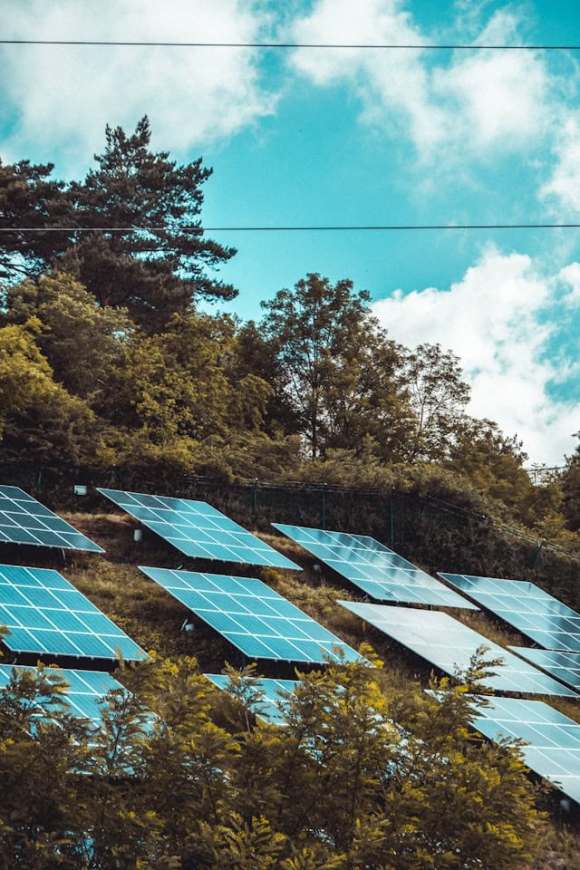
The World Solar Challenge is a biennial race that takes place in Australia. Teams from around the world build solar powered cars and race them from Darwin in the north to Adelaide in the south. The cars must rely almost entirely on solar energy, with some help from batteries to store extra power.
The race is not just about speed—it’s about efficiency and innovation. Teams must design cars that can travel long distances using only the energy from the sun. This means the cars are incredibly lightweight, aerodynamic, and covered in solar panels.
The University of Michigan’s Solar Car
One of the top teams in the World Solar Challenge is from the University of Michigan. Their solar car, named Generation, is a marvel of engineering. It weighs just 500 pounds—about one sixth the weight of a small car—and is made mostly of carbon fiber. The car is powered by a small electric motor and gets its energy from solar panels that cover its body.
The Generation can reach speeds of up to 100 mph, but its real strength is efficiency. The solar panels generate 1,500 watts of power, and any extra energy is stored in a lithium-ion battery. The car is so efficient that it can travel long distances without needing to stop for fuel.
The University of Michigan team has a strong track record. They are the reigning American Solar Challenge champions and came in third place in the 2011 World Solar Challenge. The team gets support from major companies like Ford and General Motors, which provide access to wind tunnels and other resources.
Why Solar Cars Aren’t Practical (Yet)
While solar racers are impressive, they are not practical for everyday use. There are several reasons why, such as solar racers are designed to be as light as possible. They have no airbags, crumple zones, or other safety features found in regular cars. They also have very little space—most can only fit one person.
In addition to that, solar panels on cars are not very efficient. Even the best solar panels can only convert about 18% of the sun’s energy into electricity. This is enough to power a lightweight racer, but not a heavy, full-sized car.
Don’t forget that solar cars are highly weather dependence. We all know that solar cars rely on sunlight to generate power. On cloudy days or at night, they need to rely on batteries, which limits their range. Imagine if you are going through an all-nighter and suddenly your car runs out of energy. Should you wait for the sunlight to come out before you can continue your journey?
Well, those reasons are why solar cars are might not the best choice to have nowadays. Not until we can provide a great energy catcher and storage that can provide us with safe and ensuring condition to ride through the night.
Solar Panels on Regular Cars
Some car manufacturers have experimented with adding solar panels to regular cars. For example, Toyota offers a solar panel option for the Prius. However, the panel is only used to power a fan that keeps the car cool when parked. It doesn’t provide enough energy to drive the car.
Another company, Solar Electric Vehicles, developed a rooftop solar panel for the Prius that can add up to 15 miles of range per day. While this is a step in the right direction, it’s still not enough to replace traditional fuels.
Like mentioned above, we still need a safe and ensuring energy catchers and storage to at least get through the night or cloudy days when the sun doesn’t shine bright enough to power our cars.
It might not take so long to achiever that, since researchers are bending their backs to achieve this target as soon as possible, but we still have to wait before it can really become something matters. For now, solar energy is best used to supplement other forms of power, like electricity or gasoline. But as technology improves, who knows?
The Future of Solar Cars

Maybe one day, we’ll all be driving cars powered by the sun, but if you are hoping to achieve it this year, it might not be possible. However, if using it as one option to power racing cars, this is more likely to be achieved as soon as possible.
Like what we talked above, for now, solar powered cars are best suited for racing and experimental purposes. However, the technology developed for solar racers could eventually make its way into everyday vehicles. For example, lightweight materials and efficient solar panels could help improve the range of electric cars.
In the meantime, solar energy is being used in other ways to power transportation. Solar panels are being installed on buses, trains, and even RVs. These vehicles have more space for solar panels and can generate enough energy to make a difference.
Solar powered cars may not be ready for the road, but solar racers are proving that the technology has potential. Events like the World Solar Challenge are driving innovation and pushing the limits of what’s possible with renewable energy.
While we may not see solar cars in our driveways anytime soon, the lessons learned from solar racing could help shape the future of transportation.
Sources:
Leave a Reply