


What are squalls line? In the mysterious realm of stormy seas and tempestuous weather, squalls emerge as enigmatic entities, marked by abrupt and powerful bursts of wind.
These sudden and forceful winds, nestled within storms, hold secrets that intertwine with the evolving landscape of climate change. As our planet grapples with the consequences of a shifting climate, squalls become more than just meteorological phenomena.
They are whispers of atmospheric changes, dancing in the tempest. Join us on a journey into the heart of squalls, where their definition goes beyond the obvious, and the unfolding narrative reveals the profound influence of climate change on these elusive forces.
The adventure begins with the intriguing question: What lies beneath the surface of these sudden and fierce winds? Learn more here.
What are Squalls?
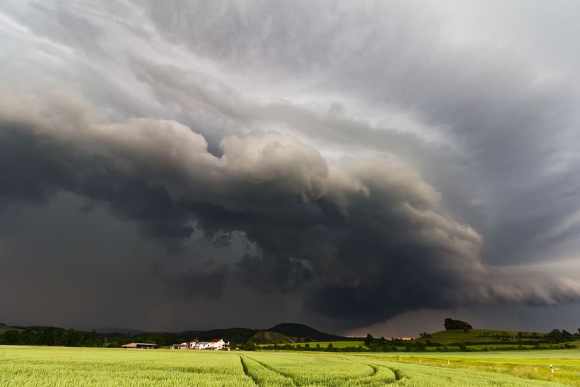
Squalls line, marked by abrupt and powerful bursts of wind within storms, are intricately linked to the evolving landscape of climate change. The definition of squalls encompasses these sudden and forceful winds that often accompany stormy weather conditions.
As our planet undergoes the effects of climate change, the dynamics of squall formation are notably impacted. Rising global temperatures contribute to the intensification of storm systems. The warming atmosphere holds increased moisture, creating a conducive environment for the development of more vigorous and frequent squalls.
Climate change-induced alterations in sea surface temperatures also play a role in shaping squall behavior. Warmer ocean surfaces provide the necessary energy to fuel storms, leading to the amplification of wind intensity within squalls. The interconnectedness of these climatic factors amplifies the potential for squalls to manifest with heightened ferocity.
In the broader context, the consequences of intensified squalls reverberate across various sectors. Coastal regions, in particular, face heightened risks as squalls can result in storm surges and coastal erosion. Furthermore, the increased frequency and strength of squalls line pose challenges to maritime activities, impacting shipping and navigation. Agricultural practices and ecosystems may also experience disruptions due to the unpredictable and extreme weather conditions associated with squalls.
The Intricate Process Of Squalls Line Formation

How can climate change contribute to the dynamics of these sudden and forceful winds within storm systems? As the global climate undergoes transformation, the mechanisms behind squall generation are notably affected.
Climate change induces shifts in atmospheric patterns, leading to an environment conducive to the development of more turbulent air movements that give rise to squalls. The warming of the Earth’s surface intensifies the water cycle, causing an increase in atmospheric moisture. This heightened moisture content provides the necessary fuel for the formation of storms, contributing to the vigor of squalls.
The impact of rising global temperatures extends beyond atmospheric conditions, influencing the temperature of ocean surfaces. Warmer sea surface temperatures play a pivotal role in shaping the strength and frequency of squalls. The energy derived from warm ocean surfaces serves as a catalyst, fostering the intensification of storm systems and, consequently, the forceful winds associated with squalls.
Moreover, the altered climate patterns give rise to more pronounced temperature differentials between various regions, creating conditions conducive to the development of atmospheric instabilities. These instabilities become breeding grounds for squalls, as rapid air movements and pressure differentials contribute to their sudden and forceful nature.
Characteristics Of Squalls Line
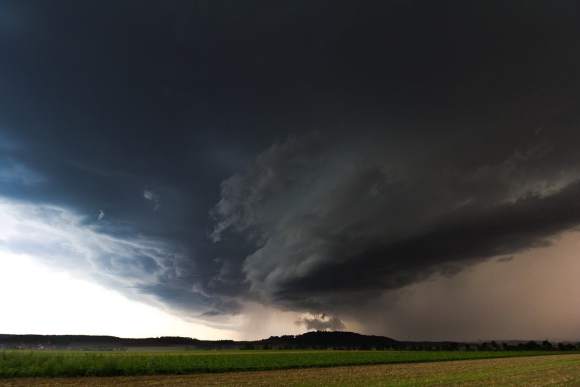
Squalls line often come with sudden, strong winds, and occasional heavy rainfall, and climate change influences these features. As the global climate undergoes transformation, squalls exhibit heightened intensity and altered precipitation patterns.
Squalls are characterized by abrupt and forceful winds that can reach high speeds. Climate change contributes to this by providing additional energy to storms, enhancing wind velocities within squalls. The increased moisture content in the atmosphere, driven by rising temperatures, further amplifies the potential for heavy rainfall during squall events.
The unpredictability of squalls becomes more pronounced in the context of climate change. Shifts in atmospheric circulation patterns create conditions conducive to the rapid development and intensification of squalls. These changes contribute to the sudden onset of strong winds and the variability in precipitation associated with squalls, posing challenges for communities and ecosystems unaccustomed to such dynamics.
Additionally, the alteration in temperature and moisture distribution influences the geographic distribution of squalls, potentially expanding their reach to regions not historically prone to such weather events. This expansion increases the vulnerability of diverse ecosystems and communities to the impacts of squalls line, necessitating adaptive measures and resilient infrastructure to cope with the evolving climatic conditions.
Impact Of Squalls
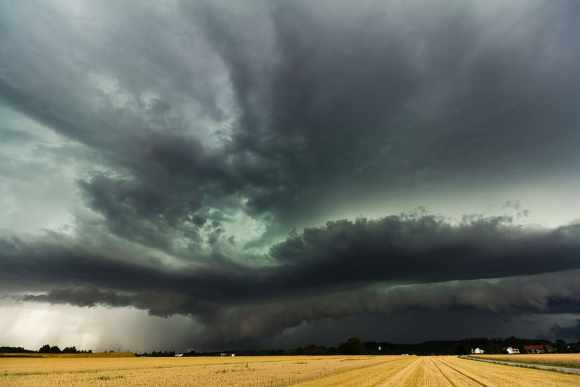
So, is there any impact of squalls, particularly on outdoor activities and boating, while considering the influence of climate change on these outcomes? Well, squalls, with their sudden and intense nature, pose risks and demand caution, especially in the context of a changing climate.
Boating activities are significantly affected by squalls, as the sudden onset of strong winds can lead to hazardous conditions at sea. Climate change contributes to the frequency and intensity of squalls, making maritime activities more challenging and unpredictable. Mariners and boaters must adapt to these changing conditions, implementing safety measures and staying vigilant to navigate through squall-prone areas.
Outdoor activities in general are impacted by the increased occurrence of squalls. Hikers, campers, and those engaged in recreational pursuits may face unexpected weather changes, with sudden winds and heavy rainfall creating potentially dangerous conditions. Climate change enhances the need for individuals to stay informed about local weather patterns and exercise caution when planning outdoor activities, considering the heightened likelihood of encountering squalls.
Furthermore, the influence of squalls on coastal regions extends beyond recreational activities. Storm surges resulting from squalls can lead to coastal erosion and pose threats to coastal communities. Climate change exacerbates these risks, emphasizing the importance of resilient infrastructure and coastal management strategies to mitigate the impact of squalls on vulnerable coastal areas.
In short the increased frequency and intensity of squalls, driven by climate change, impact outdoor activities and boating. Adapting to these changing conditions becomes crucial for ensuring safety and resilience in the face of unpredictable weather events, underscoring the broader need for climate-aware planning and preparedness.
Leave a Reply