


Deep frying provides food with crispy textures and bold flavors that keep customers coming back. However, its high energy demands and frequent oil replacement make it a costly and resource-intensive cooking method.
Implementing a fryer oil filtration system is one of the most effective ways to extend oil life, enhance food quality, and reduce waste. But that’s just the beginning.
In this post, we’ll explore strategies for optimizing deep-frying operations, from managing oil usage to improving energy efficiency. Learning how to apply and refine these processes can help food service businesses reduce costs and lessen their environmental impact without sacrificing the quality of their fried offerings.

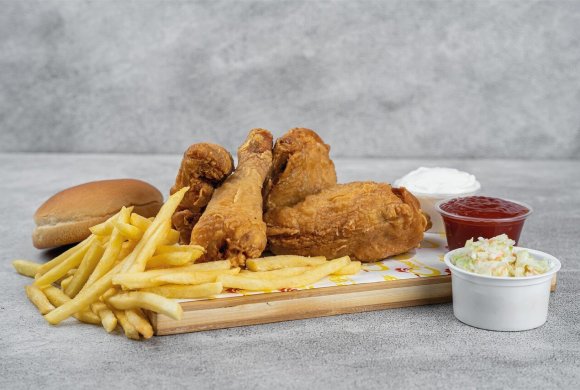
Photo by Wine Dharma on Unsplash
Optimizing Oil Usage for Efficiency and Longevity
Efficient oil management is the cornerstone of sustainable deep frying. Cooking oil degrades due to oxidation, heat exposure, and food particles, leading to frequent replacements that increase operational costs and waste.
Using high-quality oil with a high smoke point extends usability, while proper filtering removes contaminants that accelerate breakdown. Daily filtration, skimming debris, and avoiding excessive heat prevent premature degradation.
Additionally, rotating oil strategically—using older oil for pre-frying and fresher oil for finishing—maximizes longevity while maintaining taste and texture. At the same time, it’s essential to protect your kitchen with grease containment systems to prevent oil-related hazards and ensure a cleaner, safer workspace.
Choosing an appropriate oil type also matters. Oils with natural antioxidants, such as high-oleic sunflower or canola oil, resist breakdown better than traditional vegetable oils, reducing the frequency of oil disposal and replacement.

Enhancing Energy Efficiency in Frying Operations
Commercial fryers consume significant energy, but smart operational strategies can mitigate waste.
Proper fryer maintenance, including routine cleaning and calibration, ensures efficient performance. Carbon buildup on heating elements or clogged ventilation can force fryers to work harder, leading to unnecessary energy expenditure.
Batch cooking—where multiple portions are fried together rather than small, frequent loads—optimizes heat retention and reduces energy spikes. Keeping fryer lids closed when not in use minimizes heat loss, while using fryers with advanced insulation helps maintain temperature stability with less energy input.
Investing in energy-efficient fryers with modern features like automatic shut-off, standby modes, and advanced insulation can significantly cut energy usage. These models are designed to maintain stable temperatures with minimal heat loss, reducing operational expenses over time. Some high-end fryers even utilize infrared heating or induction technology to further improve efficiency.
Proper fryer placement is another often-overlooked factor in energy conservation. Placing fryers away from cooling units and air vents prevents energy loss due to fluctuating temperatures. If fryers are positioned near refrigeration units, the contrasting temperature zones can force both appliances to work harder, leading to unnecessary energy expenditure.
Training kitchen staff on best practices for fryer usage can also make a noticeable difference. Employees should be educated on optimal loading techniques, heat settings, and the importance of closing lids when fryers are not in use.
Implementing standard operating procedures for fryer management ensures that energy-saving measures become a consistent part of kitchen operations.
Reducing Waste Through Smart Oil Disposal Practices
Even with optimal filtration and management, fryer oil eventually needs replacement. Disposing of used oil responsibly is critical for sustainability.
Many restaurants partner with recycling services that convert waste oil into biodiesel, a cleaner alternative to traditional fossil fuels.
Minimizing oil waste starts with accurate portion control. Training kitchen staff to use consistent oil quantities prevents unnecessary overuse, extending oil lifespan and reducing waste. Additionally, implementing oil monitoring technology helps track oil degradation in real-time.

These monitoring systems use sensors to measure oil quality, ensuring oil is replaced only when necessary rather than on a fixed schedule. This approach prevents premature disposal and maximizes oil efficiency.
Proper storage and handling of used oil also contribute to better waste management. Used oil should be collected in designated containers, kept away from contaminants, and stored at appropriate temperatures to prevent spoilage.
Many commercial kitchens invest in oil transport and filtration systems to streamline disposal processes and minimize spills.
Implementing eco-friendly kitchen practices beyond oil disposal can further enhance sustainability efforts. For instance, reducing single-use packaging, composting food waste, and optimizing water usage all contribute to a greener, more efficient operation.
By taking a holistic approach to sustainability, businesses can improve their environmental impact while maintaining cost-effective kitchen management.
Conclusion
Sustainable deep frying requires a balance of efficiency, quality, and responsible resource use. Implementing a fryer oil filtration system, optimizing cooking practices, and reducing waste through proper disposal contribute to a more environmentally friendly and cost-effective operation.

Regular monitoring of oil quality, proper temperature management, and staff training on best practices ensure that oil lasts longer while maintaining food flavor and texture. Additionally, investing in high-efficiency fryers and using oils with natural antioxidants can further extend usability and reduce waste.
Beyond operational improvements, responsible disposal methods such as partnering with recycling services that convert used oil into biodiesel help minimize environmental impact. By refining these strategies, food service establishments can continue delivering high-quality fried foods while reducing costs, improving kitchen safety, and minimizing their ecological footprint.
Leave a Reply