


In an era where environmental concerns are at the forefront of global discussions, industries across the board are being challenged to rethink their practices in favor of sustainability. The beverage sector, with its vast consumption rates and diverse product lines, is no exception. From the sourcing of ingredients to the disposal of packaging, the environmental footprint of the beverage industry is substantial.
However, a significant shift is underway, marked by the rise of sustainable drink development and the increasing demand for eco-conscious beverage choices. Companies like SH Foodie are leading the charge with innovative strategies. This article delves into the driving forces behind this trend, the strategies being employed by manufacturers, and what the future holds for the sustainable beverage market.
The Driving Forces Behind Sustainable Drink Development
Several key factors are propelling the move towards sustainability in the beverage industry:
Consumer Awareness and Demand
Consumers, especially younger generations, are becoming increasingly environmentally conscious. Surveys indicate a willingness among a significant portion of the market to pay more for products that are sustainably sourced and packaged. This shift in consumer behavior is compelling beverage companies to adapt their strategies to meet the growing demand for eco-friendly products.

In response, many beverage companies are now prioritizing sustainable packaging solutions, such as biodegradable materials, recyclable cans, and refillable bottle initiatives. Notably, some pioneers in the industry are also exploring beyond packaging, incorporating environmentally responsible practices throughout their entire supply chain, from sourcing ingredients through regenerative agriculture to implementing energy-efficient manufacturing processes.
As this trend continues to gain momentum, it’s likely that sustainability will become an integral brand differentiator in the beverage market, further influencing consumer purchasing decisions and driving innovation in eco-conscious product development.
Regulatory Pressures

Governments worldwide are implementing stricter environmental regulations, including those targeting single-use plastics, water conservation, and sustainable sourcing practices. To comply with these regulations and avoid potential fines, beverage manufacturers are proactively embracing sustainable practices.
This shift towards sustainability is not only driven by compliance but also presents a significant opportunity for beverage manufacturers to enhance their brand reputation and appeal to the growing demographic of environmentally conscious consumers.
By incorporating eco-friendly packaging, reducing water footprints, and promoting transparent supply chains, companies can differentiate themselves in a competitive market, potentially leading to increased customer loyalty and a positive impact on their bottom line.
Brand Reputation and Competitiveness

In a competitive market, adopting sustainable practices can serve as a powerful differentiator, enhancing a brand’s reputation and appeal to the environmentally aware consumer base. Companies are recognizing the long-term benefits of sustainability in maintaining market share and attracting new customers.
Innovative Strategies in Sustainable Drink Development
The beverage industry is witnessing a surge in innovative approaches to sustainability, including:
Eco-Friendly Packaging Solutions
- Biodegradable and Compostable Materials: Companies are transitioning from traditional plastics to bioplastics, compostable packaging, and even edible cutlery and cups.
- Refill and Return Schemes: Encouraging the reuse of containers through deposit schemes or offering discounts for refills is gaining traction.
- Minimal and Concentrated Formats: Reducing packaging size through concentrated formulas or minimalist design is another strategy to lower waste.

Sustainable Sourcing Practices
- Fair Trade and Organic Ingredients: Ensuring that ingredients are sourced ethically and sustainably, supporting local farmers and reducing the carbon footprint of supply chains.
- Water Conservation: Implementing efficient water usage practices in manufacturing, especially for water-intensive beverages like beer and juice.
Circular Economy Models
- Upcycling and Recycling Programs: Collaborating with recycling facilities to ensure packaging is fully recyclable and exploring upcycling opportunities for non-recyclable materials.
- Product Design for Recyclability: Designing products from the outset with recyclability in mind, reducing contamination rates in recycling streams.

Case Studies: Pioneers in Sustainable Beverage Practices
****Coca-Cola’s World Without Waste Initiative**: Aims to collect and recycle the equivalent of every can or bottle it sells by 2030, highlighting a significant commitment to reducing waste.
****Carlsberg’s Snap Pack**: Introduced an innovative, glue-free packaging solution for its six-packs, reducing plastic waste by up to 76% in these multipack configurations.
****Patagonia Provisions**: This venture from the renowned outdoor apparel brand offers a line of environmentally responsible food and beverages, emphasizing regenerative farming practices that promote biodiversity and soil health.
Challenges and Future Directions
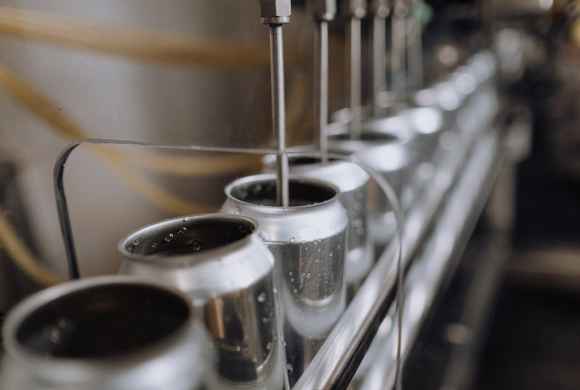
Despite the progress, challenges persist, including higher production costs associated with sustainable materials and practices, the need for global standardization in recycling infrastructure, and educating consumers about the true environmental benefits of sustainable choices.
Looking ahead, the future of sustainable drink development is likely to involve:
- Increased Adoption of Technology: Leveraging AI, IoT, and blockchain to optimize supply chains, predict consumer trends, and enhance transparency.
- Further Innovation in Packaging: Expect advancements in biodegradable materials, nanotechnology, and smart packaging that extends shelf life and reduces waste.
- Integration with Broader Sustainability Goals: Aligning beverage sustainability with global initiatives like the UN’s Sustainable Development Goals (SDGs), particularly those related to responsible consumption and climate action.
Conclusion
The rise of eco-conscious beverage choices marks a pivotal moment in the beverage industry’s evolution. As consumers continue to prioritize sustainability, manufacturers are not only meeting this demand but also driving innovation that benefits both the environment and their bottom line. While challenges remain, the trajectory is clear: the future of beverages is sustainable, and those who embrace this shift will lead the market into a more environmentally conscious era.
Leave a Reply