


Small businesses are often reluctant to be sustainable, and not without good reasons. Small to medium enterprises (SMEs) want to make money, and sustainability used to mean more costs.
But as humanity progresses, everything changes and evolves at a fast pace, including the business world.
Building a sustainable and ethical small to medium-sized enterprise (SME) requires a deep understanding of environmental practices and the commitment to implementing them effectively.
Partnering with a qualified environmental professional can provide SMEs with the expertise needed to navigate the complexities of sustainable operations, ensuring that the business not only meets regulatory requirements but also contributes positively to the environment.
Sustainability, which once revolved around environmental concerns, has evolved as well.
These days, sustainability is also about integrating such practices with more focus on increased profitability, efficiency, and productivity.
Yes, the core of sustainability still lies in the strategic use of resources and waste reduction. But, the perspective shifts to reducing costs and increasing efficiency, which in turn will benefit the environment.
So, being sustainable is achievable even for small businesses. Here are some tips to do that.
Optimize resources

Being more careful and wiser about resources counts as being sustainable. This includes saving more energy and water and using raw materials well.
For energy-saving, one can simply upgrade to technologies that are energy-efficient, such as LED lighting. If one can upgrade the machinery, then that’ll be better, but make sure that it’s within the budget.
Nevertheless, the simple changes that might seem insignificant might lead to a significant drop in energy consumption.
As for raw materials, one can make sure that they’re used well, minimizing waste. Sustainable sourcing is also wise—one can look locally if it’s available.
This way, one’s business will have a competitive edge in an era where resources are getting scarcer.
We’ll talk more about reducing waste. Small businesses will benefit financially with like lean manufacturing which can minimize overproduction.
This cuts down wasting resources further, and at the same time, reduces costs for disposal.
As a small business owner, one can explore waste upcycling or recycling options. This may create new revenue streams while contributing to environmental sustainability.

Make operational more efficient
If we look past the environmental benefits, being sustainable can be a strong driver for operational efficiency and productivity.
Businesses now recognize that there are more optimized workflows and resource allocation after becoming more eco-friendly.

For instance, using energy-efficient appliances and digital advancements for data management may reduce waste and boost process time. This aligns with sustainability goals.
Another worthwhile aspect of increasing your operations’ efficiency and sustainability is streamlining your e-commerce platform’s bookkeeping and accounting processes, such as utilizing a pay stub maker online. This is integral for any business, including a Shopify store. Consider Shopify bookkeeping, particularly favoring paperless and cloud-based accounting systems.
Utilizing a cloud-based system provides easy access to your financial data and drastically reduces the need for physical paperwork in your operations, aiding in waste reduction. Moreover, such systems are efficient and enhance accuracy, allowing for real-time tracking of financial transactions. This streamlined approach makes your business operations smoother and contributes to your sustainability objectives.
Moreover, efficiency correlates with increased productivity. How does that work? Well, for one, efficient operation can foster a positive work environment. When work environment is good, morale and productivity among employees will be good, too.
That leads to shorter production cycles and faster response times, giving the business another plus point in the market.
Be stronger together
When possible, try finding capable employees that share similar or the same values.
Remembering how operation efficiency benefits workers, having the right employees with values that align with the business can be better.
Because with their involvement in the business’ efforts, that’ll cultivate a positive work experience—as employees and employers.
This engaged, growing-together workforce encourages innovation. This can result in a good reputation for the business as well as consumer satisfaction.
Put your brand out there and explore

Sustainability practices can put a small business’ image in a good light.
There is competition nowadays, that’s a given—more businesses have shifted towards being eco conscious.
But one can make the business stand out by being real in building brand reputation.
Many consumers are now wary of sustainability labels because of greenwashing practices.
If the business keeps it real and transparent, consumers will gravitate towards it.
This translates into increased profitability. Modern consumers want to become advocates for eco-friendly products or services.
In turn, once the brand reputation grows positively, with loyal customers, it’ll be primed for revenue growth.
Once you’ve set your goals to build your brand and reputation, then it’s time to aim for markets.
Now, small businesses have an advantage in assessing new markets and seizing business opportunities.

How so? Well, in some areas, governments and corporate entities offer grants and incentives to small businesses, aiming to promote sustainability.
Furthermore, a good reputation for being environmentally friendly opens doors to partnerships and funding.
In today’s time, one can find investors and venture capitalists that prefer sustainable industries. So, the business will be more open to expansion and profit.
By incorporating sustainability and presenting itself as environmentally responsible, one will open doors for research and development and overall growth.
So, from the tips, we know that it’s possible for small businesses to be sustainable.
Besides the environmental advantages, such practices lead to practical benefits as well.
Embracing sustainability can set up small businesses for long-term profitability and a sustainable future.
Therefore, owners shouldn’t be afraid to do that.

What about being ethical and sustainable? Is it possible to do that for small businesses?
As we progress in this modern world, more startups and small to medium-sized enterprises (SMEs) begin to realize something different.
They discover that ethical and sustainable entrepreneurship has become a bit of a game-changer.
This business approach, as we know, bases itself on transparency, honesty, and integrity.
But, it’s not just all about being moral, right, or eco-friendly. It also functions as a strategy for cultivating trust among different stakeholders, suppliers, customers, employees, and potential funders.
Startups and SMEs revolve around trust—with it, they’ll gain an upper hand in attracting and retaining customers and investors.
As mentioned, businesses that are sustainable, and in this case, ethical, are beneficial in many ways.
Being ethical helps mitigate various risks, spanning from financial to reputational.
By fostering good management and nurturing an ethical organizational culture, businesses are protected against financial losses and reputational harm.
Businesses with ethical and sustainable practices can gain support from many sides. In fact, ethically aware SMEs may benefit substantially from international initiatives.
Remember, if the reputation is strong, positive, and real, small businesses will have a favorable image in the public view. This goes for being ethical and sustainable.
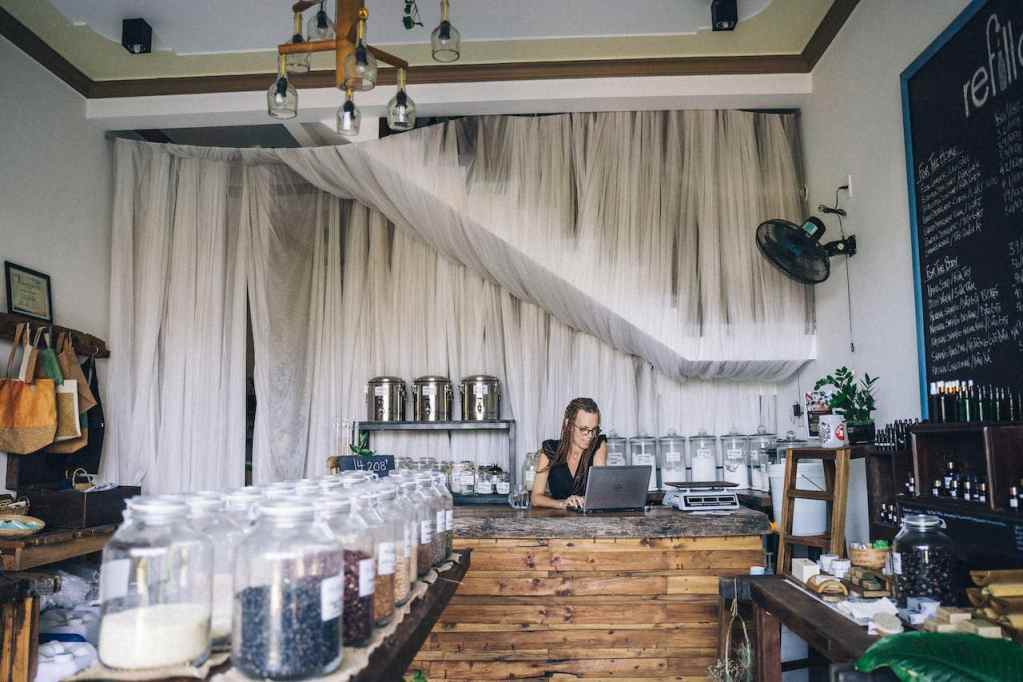
But can sustainability, ethics, and business go together?
Some experts and scholars say that ethical business is an oxymoron.
However, some others argue that entrepreneurship is approachable with social and environmental responsibility.
Businesses that are ethical and sustainable can create value for all sides. That is, when they’re done with the right commitment.
SMEs with such commitment can foster more community involvement in their business. They can create jobs and economic opportunities that can help increase livelihood in the community.
Besides, not all businesses and entrepreneurship are exploitative in nature. One can make small businesses go beyond traditional, profit-focused practices and put more emphasis on values, responsibility, and sustainability.
Ethical Bedding may serve as a good example of such a business.
So yes, if SMEs owners want to become sustainable and/or ethical, it’s not impossible to do.
After all, such approaches are needed in the current climate as they address socioeconomic and environmental challenges.
Well now, if you’re a small business owner who wants to go green, hope the tips help!
Sources:
Leave a Reply