


In recent years, more people have become conscious of their environmental impact, embracing greener habits in their everyday lives. From how we travel and shop to the meals we eat, every choice matters. One area that often goes overlooked—but holds significant potential for positive changes is food packaging.
Traditional plastic packaging, though convenient, contributes massively to landfill waste and ocean pollution. Fortunately, a growing number of eco-conscious consumers and businesses are making the switch to sustainable food packaging solutions.
Why Food Packaging Matters in a Green Lifestyle
When striving for a greener lifestyle, what we eat is only part of the equation. How our food is packaged and served can be just as important. Most single-use plastic containers take hundreds of years to degrade and often release harmful microplastics into the environment. For individuals aiming to live more sustainably, avoiding plastic-heavy packaging is a logical next step.
Choosing compostable, biodegradable packaging—especially for takeout meals, catering events, or even home-packed lunches—can drastically reduce our personal waste footprint. By supporting packaging made from renewable, plant-based materials, we help build a more circular and regenerative economy that puts the planet first.
What Is Sustainable Food Packaging?
Sustainable packaging refers to materials and production methods designed to minimize environmental impact. This includes using renewable raw materials, reducing energy and water usage in production, and ensuring the final product is compostable, recyclable, or reusable.
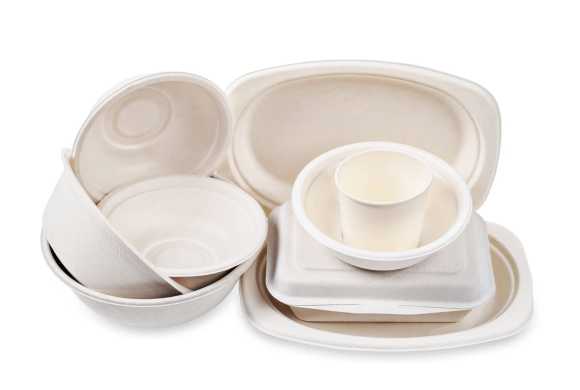
One standout example is bagasse food containers—products made from sugarcane fiber, which is a byproduct of juice extraction. These containers are sturdy, leak-resistant, and fully biodegradable, breaking down naturally without leaving toxic residue. From bagasse plates and bowls to compostable drink cups and takeaway boxes, these options are gaining traction across foodservice industries, including restaurants, eco cafés, meal delivery brands, and environmentally conscious households.

Why Molded Pulp Packaging is the Future
As plastic bans expand globally and consumers demand more sustainable practices, molded pulp packaging has emerged as a strong alternative. Made from recycled paper, cardboard, or plant fibers like bagasse, molded pulp is shaped into durable containers using water and heat. The result? Versatile packaging is not only compostable but also customizable and cost-efficient over time.
Molded pulp packaging is ideal for foodservice applications—offering excellent performance, insulation, and strength without contributing to long-term pollution. Whether it’s clamshell boxes, bowls, trays, or drink carriers, molded pulp delivers a reliable solution without sacrificing eco-friendliness.
Environmental Benefits of Bagasse Food Containers

Switching to bagasse or molded pulp packaging benefits the planet in several ways:
- Reduces plastic pollution: These materials break down naturally and do not contribute to microplastic buildup in oceans and soil.
- Minimizes agricultural waste: Bagasse packaging gives a second life to leftover sugarcane pulp that would otherwise be discarded.
- Lowers carbon emissions: Production processes typically consume less energy and water compared to plastic manufacturing.
- Supports biodiversity: Less plastic in ecosystems means reduced harm to animals who may ingest or become entangled in waste.
By replacing traditional plastic with natural fiber-based alternatives, we reduce reliance on fossil fuels and move toward a cleaner, more sustainable future.
Functionality and Branding Advantages
There’s a common misconception that sustainable packaging means sacrificing quality. In reality, molded pulp is heat-resistant, durable, and grease-proof—perfect for hot meals, liquids, and heavy food items. These containers also maintain their shape well and don’t become soggy like some paper-based alternatives.
Moreover, molded pulp packaging can be branded. Businesses can emboss logos, add textures, or even print eco-friendly messaging using water-based inks. This allows companies to showcase their environmental values while standing out on the shelf or in a food delivery box.
Aligning with Market Trends and Regulations
Around the world, regulations on single-use plastics are tightening. From the EU’s SUP Directive to bans across Asia and the Americas, businesses are being pushed to adopt greener materials. Molded pulp and bagasse packaging help companies stay compliant while meeting the growing expectations of environmentally aware consumers.
According to market research, the global sustainable packaging industry is projected to grow significantly in the next decade, especially in food and beverage applications. Investing in eco-friendly packaging today helps future-proof your brand and ensures long-term customer loyalty.
Is It Affordable?
Though molded pulp packaging can have a slightly higher upfront cost than plastic in some regions, the long-term benefits often outweigh the initial investment. Companies save on waste management, enhance their brand image, and avoid potential penalties from non-compliance with environmental regulations. And as technology advances, the cost gap continues to shrink.
Simple Ways to Embrace Greener Packaging Daily
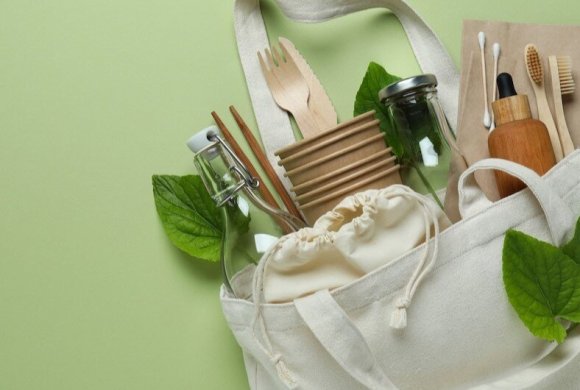
Whether you’re grabbing lunch on the go or planning a picnic, here are a few easy ways to make better choices:
- Bring your own containers: Reusable food containers or stainless-steel lunchboxes eliminate single-use packaging altogether.
- Support eco-conscious restaurants: Choose eateries that use compostable or recyclable packaging.
- Select natural-fiber disposables: If you need disposables, go for bagasse or molded pulp instead of plastic or foam.
- Start home composting: Properly dispose of compostable items to keep them out of landfills and turn them into rich soil.
- Spread the word: Encourage friends and family to consider greener packaging options for everyday meals.
Building a One Meal at a Time: Building a Greener Future
Small, consistent actions can add up to meaningful change. By rethinking how we package and consume our meals, we move closer to a more sustainable, waste-free lifestyle. Choosing eco-friendly food packaging isn’t just about reducing trash—it’s about making a long-term investment in the health of our planet.
Whether you’re an individual working toward a low-waste lifestyle or a business seeking scalable green solutions, the time to act is now. Together, through smarter packaging choices, we can build a cleaner, healthier world—one meal at a time.
Leave a Reply