

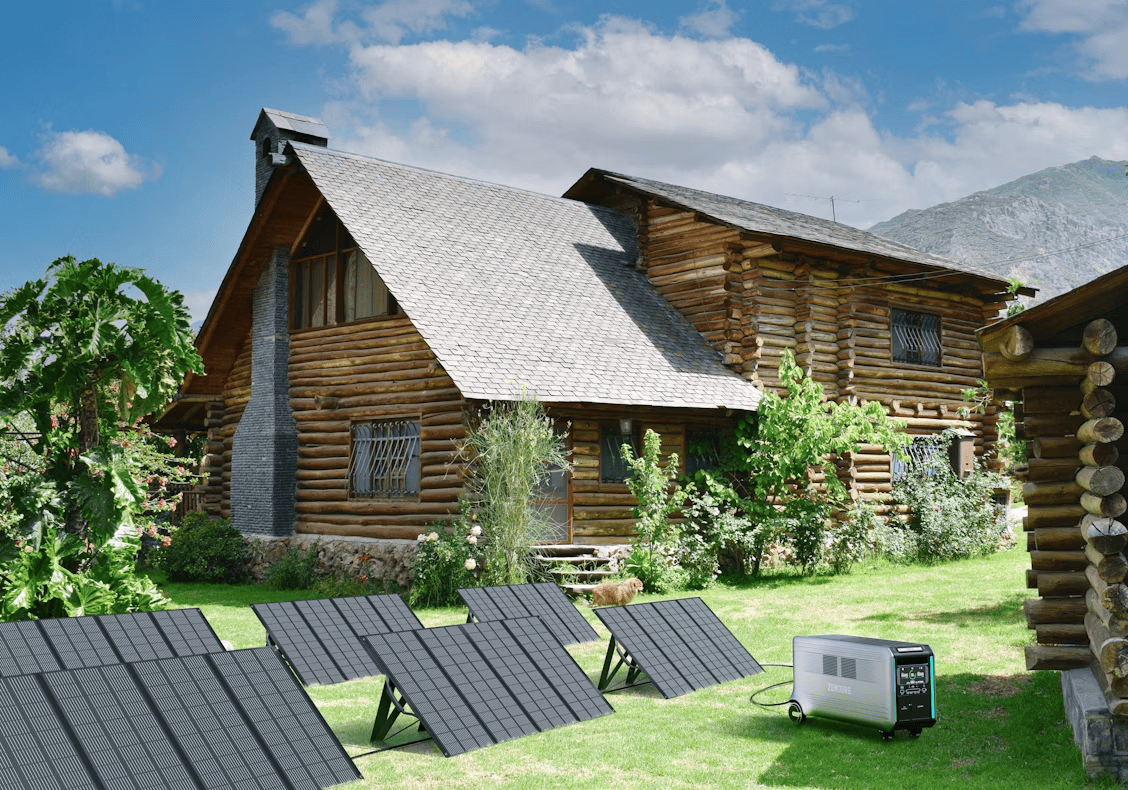
Walk down any modern neighborhood, and you’ll notice a shift. Homes aren’t just built to stand tall anymore. They’re designed to breathe, conserve, and adapt. The future of real estate isn’t about bigger lawns or fancier kitchens. It’s about sustainability.
People are waking up to the reality that where we live directly shapes how we live. And when it comes to property, “green” is no longer a buzzword. It’s becoming the standard.
The Shift in What Buyers Want
Ten years ago, homebuyers cared most about location, layout, and maybe a fresh coat of paint. Today, energy efficiency, solar panels, and eco-friendly materials are at the top of the list.
Why? Because buyers are smarter. They know that a home isn’t just a purchase. It’s an investment in comfort, cost savings, and the planet’s future. Energy bills pile up. Maintenance drains wallets. A sustainable home reduces both.
This shift isn’t just for high-end properties either. Everyday, families now ask about insulation quality, renewable energy options, and water-saving systems before signing contracts.
Green Building Means Smarter Living
At its core, green building is about using resources wisely. That means:
- Energy efficiency: Better insulation, energy-saving appliances, and designs that reduce wasted electricity.
- Sustainable materials: Bamboo flooring, reclaimed wood, or recycled steel replacing resource-heavy materials.
- Water conservation: Low-flow fixtures, rainwater harvesting, and smart irrigation systems.
- Healthier indoor air: Non-toxic paints, natural ventilation, and designs that let light do the work of electricity.
A house that ticks these boxes doesn’t just feel good to live in. It actually saves its owner thousands in utility bills over time.

The Role of Technology
Technology is the backbone of the sustainable home movement. Smart thermostats, solar energy systems, and even AI-driven appliances allow homeowners to monitor and reduce waste.
Imagine adjusting the temperature of your home from your phone while you’re on vacation. Or a fridge that tells you when your food is about to spoil. These aren’t futuristic dreams anymore. They’re common features in green builds today.
And interestingly, this mirrors how we live in other areas of life too. Just as gamers upgrade from a standard console to a smarter, more energy-efficient setup, or choose options like a play station 5 pre owned to save money while still enjoying high performance, homebuyers are now making smarter choices that blend lifestyle, cost savings, and sustainability.
Governments and Builders Are Pushing Change
Another reason green homes are the future: policy. Governments worldwide are encouraging eco-friendly building through tax incentives and stricter codes. Builders are adapting quickly.
In many cities, new developments must meet certain energy-efficiency standards. For buyers, this is a win. You get a home that’s not only modern but also built for long-term savings. For builders, it’s a chance to stand out in a competitive market.
Long-Term Investment Value
Here’s the financial truth: sustainable homes hold value better. With energy costs rising and environmental awareness growing, a green home will always be more attractive on the market.
Think of it like buying a car. Would you choose the gas-guzzler or the hybrid if both were the same price? Future homeowners will make the same choice when comparing traditional properties with green ones.
And just like cars, the resale market is catching up. Even now, buyers are willing to pay more for eco-friendly homes, knowing they’ll save money later.

Beyond Individual Homes: Green Communities
The shift isn’t limited to single properties. Entire communities are being designed with sustainability at their core. Shared solar grids, communal gardens, and pedestrian-friendly layouts are popping up everywhere.
This matters because sustainability thrives on scale. When whole neighborhoods work together to conserve energy and resources, the impact is massive.

What This Means for Future Buyers
If you’re looking to buy in the next few years, expect green features to become the norm, not the upgrade. What’s considered “premium” now will likely be standard in the near future.
And if you’re investing, the message is clear. Properties that ignore sustainability will struggle to keep up. Eco-conscious buyers won’t settle.
Everyday Choices That Add Up
Sustainable living doesn’t always mean building a futuristic home from scratch. It can be small changes:
- Switching to LED lighting.
- Using smart plugs to cut phantom energy use.
- Collecting rainwater for gardens.
- Choosing eco-friendly furniture and décor.
Even in older homes, these adjustments lower bills and reduce impact.

The Future Is Already Here
The conversation about green building is no longer “if.” It’s “how fast.” The real estate market is adjusting. Buyers are demanding. Builders are responding.
And in the middle of it all is the simple truth: a sustainable home is better for your health, your wallet, and the planet.
Leave a Reply