


Companies prefer hiring candidates who share their values and mission. Such candidates are more likely to be engaged and productive. If you are applying to a company that cares about the environment, it is important to show that you are a sustainability-minded professional, too.
In this article, we will share the must-have sustainability skills to include on your resume and sustainable living practices you can talk about in the interview.
By the way, are you looking for the fastest way to get your resume done? Then, consider a professional resume consultant. It is important to find one specializing in your industry or profession. For example, if you are looking for a teacher resume writing service, check the education resume writing company at the link. They will update your resume and tailor it for a specific job posting if necessary.
Top 10 Sustainability Skills for Your Resume
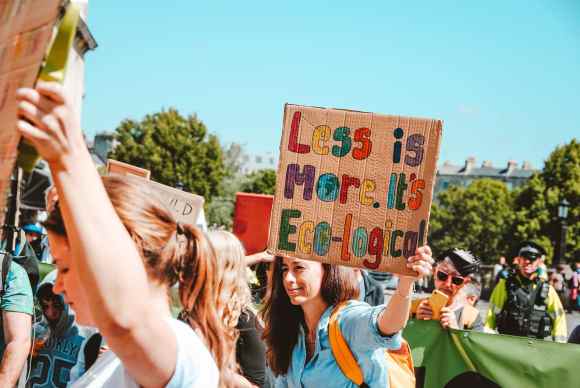
Your resume should take no more than 1-2 pages, so talking about your eco-friendly lifestyle a lot is not the best strategy. However, it is important to include the most valuable sustainability skills. Here are the skills you can use:
- Strategic planning
- Sustainability
- Environmental awareness
- Liaison and coordination
- Sustainable development
- Holistic thinking
- Communication skills
- Renewable energy
- Leadership skills
- Project management.
Pay attention to the job description and the company profile. Research more about the company and its values to emphasize the skills that matter most for the organization.
How to Use Sustainability Skills: Tips from a Resume Writing Service

There are two strategies to include sustainability and environmental skills on your resume.
Firstly, you can create a dedicated Skills section and present your skills as a bulleted list. Thus, the employer will instantly see what you can bring to the table. Keep the number of skills under 16 and focus on the most relevant ones.
Secondly, you can expand on your skills in a Professional Experience section and explain where and how you used these skills. Thus, you will show your competencies comprehensively. Examples:
- Led the adoption of solar panels, resulting in a 24% reduction in energy consumption and cost-saving
- Developed and implemented sustainable practices for business
- Created reports on environmental risks and opportunities to help decision-making
- Organized community outreach programs to engage local stakeholders in sustainable practices.
Eco-Friendly Practices to Talk about During The Job Interview

Your resume length is limited; however, you can detail on your sustainability skills and eco-friendly lifestyle in a cover letter or during the job interview. If you are not sure what to mention, take a look at these sustainable living practices. And, if some of them are new to you, consider incorporating them into your life.
- Conserving energy. Use energy-efficient appliances, such as LED lighting, and efficient home insulation, and use as much natural light as possible. Switch off the light when you leave the room and implement other power-saving habits. Transit to renewable energy if possible (solar panels, for example) – this will show your true commitment to sustainable living.
- Shopping locally. Buy your produce from local farmers to support the reduction of carbon emissions and ethical supply chain practices. Choose locally sourced organic products. Take your own bags to avoid buying plastic ones. Wrap the products in paper instead of plastic.
- Reducing consumption. Adopt the minimalist lifestyle and only buy items you need. Reduce personal waste as much as possible – upcycle leftover food or compost it, give away the clothes you no longer need, and choose products made from recyclable materials.
- Using sustainable transportation. Walk, cycle, and use public transportation instead of a car when possible. Thus, you will reduce your personal carbon footprint. These eco-friendly practices contribute to your well-being and show the employer that you have a healthy lifestyle.
- Eating less meat. Reducing your meat consumption helps reduce your environmental impact. Consider choosing plant-based food or becoming a vegetarian, and choose local, sustainably produced food to support farmers.
- Giving up on plastics. Plastics cause a lot of problems for the environment. Ditch plastics and choose more sustainable options instead. Don’t buy bottled water, wrap the products in beeswax paper instead of plastics, and bring your bag when shopping for groceries.
- Using water-saving practices. Time your showers and turn off the water while brushing your teeth. Collect water within the household – set up barrels to retain water for pets and household needs. This skill will show the employer that you can manage resources wisely.
- Upcycling and DIY. Use your creativity to upcycle clothes and other items. Repurpose things you no longer use, whether it’s clothes, food, or home décor. Consider a DIY approach to life – grow your own food, repair and knit your clothes, create accessories, etc. Thus, you will extend the lifespan of the items and reduce waste.
- Growing fruit and vegetables. Growing your food is one of the best practices you can adopt. Anyone can grow herbs and vegetables – start with a few pots if you haven’t done it before. It helps reduce emissions, save costs on groceries, and contributes to your health.
- Practicing community education. Participating in environmental advocacy or conservation activities is a valuable skill for a resume. If you shared knowledge on sustainability through blogging or public speaking, be sure to mention that. Supporting sustainability nonprofits or charities is also a helpful habit.
Follow the Best Practices When Updating Your Resume

Now that you know what sustainable skills to use in your resume and what to talk about during the interview, it’s time to give your resume a few finishing touches. Follow these practices to increase your chances for an interview.
- Keep your resume to 1-2 pages. Even if you have an extensive work history, keep your resume length no more than two pages. Remove the irrelevant jobs and any outdated details, such as entry-level positions you had over 10 years ago. Cut off the skills, projects, and hobbies irrelevant to your target position.
- Add a focused Career Summary. The summary section lets you introduce yourself to a potential employer and get them interested. Keep it to 3-4 sentences and focus on the most essential details. Include your key competencies, biggest accomplishments, a valuable degree or certification, or high-profile clients.
- Include the essential resume information. Your resume should contain accurate contact information, a brief summary, a list of skills, and information about your professional experience and education. Any other sections are optional – you can also include certifications, training, foreign languages, volunteering, and other details.
- Speak through accomplishments. Don’t limit your Professional History section to daily duties only. Include at least one accomplishment for each job. Examples of accomplishments are saving money and time for the company, training new hires, improving processes and efficiency, attracting new clients, boosting sales, etc. Use figures and percentages to show the difference you’ve made.
- Proofread before sending. 59% of hiring managers reject resumes with errors. Before you submit the resume to the employer, take the time to proofread your document. Read it aloud and then line by line to correct grammar and punctuation, and spot awkward phrases. Use an online spell checker to speed up the process.
Whether you are applying for a sustainability manager position or would like to show your culture fit to the target employer, make sure to mention the above-listed skills and practices. Including them will help you stand out from the competition and highlight your personal values. If you need further guidance with writing your resume, do not hesitate to seek the help of a professional resume writer and good luck with your job search!
Leave a Reply