

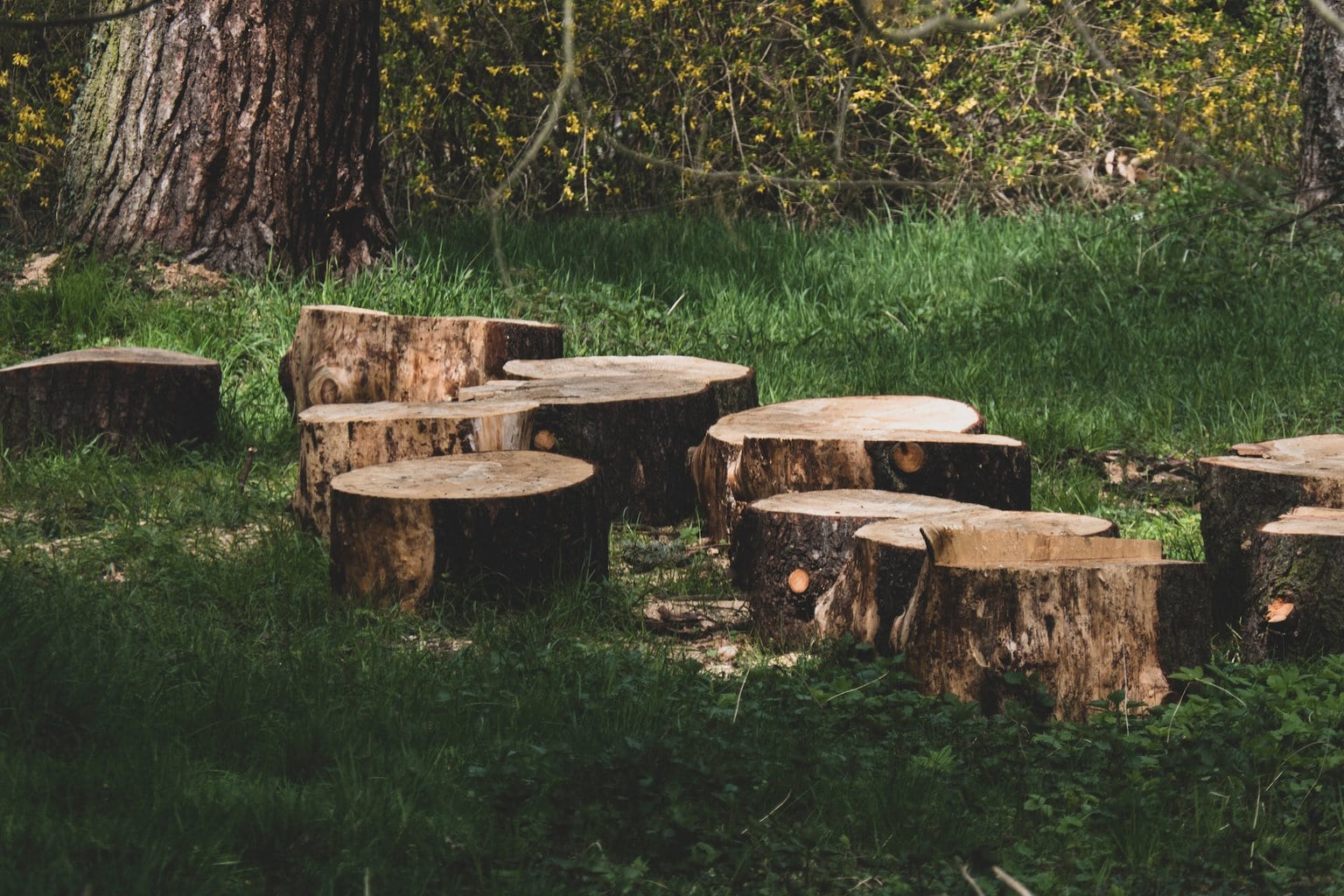
When we see or hear “logging,” what images or words come to mind?
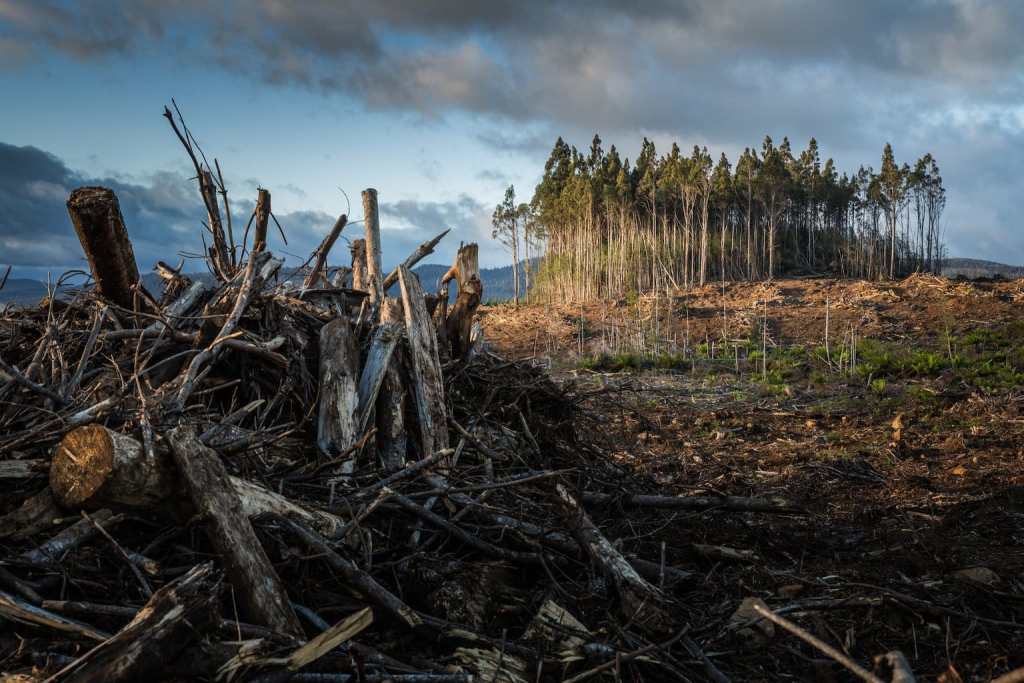
Probably barren lands, dead stumps, deforestation aftermath, maybe those poor orangutans or heartbreaking elephants carrying those heavy logs. Basically, negative associations.
But what if, researchers argue, logging was carefully managed or planned?
We’ve seen it all: campaigns upon campaigns to end logging in popular media and high-profile science journals.
However, more evidence-based managed forestry projects have been coming up as of lately. This is good, considering unsustainable poor logging practices are likely to continue in around 500 million hectares of tropical forest.
If there are more efforts to push for responsible forestry, it would help the forests in the future.
In a report done by researchers at the University of the Sunshine Coast, they recommended 5 ways to improve tropical forest management.
The recommended practices are also compatible with management for non-timber forest products. For instance, forests that produce fruits, fibers, resins, and medicinal plants can be managed with the said practices.
In fact, the researchers argue that forests dedicated to biodiversity conservation could also benefit from their recommendation.
The researchers added that their recommendation would reduce carbon emissions. At the same time, it would also increase carbon removal in cost-effective ways.

Recommended practices to improve forests
According to previous research, biodiversity is mostly retained in well-managed and selectively logged forests.
If there’s controlled hunting and employed lower-impact logging practices, carbon stacks stay especially high.
Per the report, harvesting five to ten percent of the trees does reduce the total amount of carbon stored in the forest. Although, that happens only temporarily.
These carbon stacks recover quickly if damage to young trees and soil is kept to a minimum.
Here are the 5 detailed ways recommended by the report. With their tips, the researchers hope that the transition from “timber mining” to managed forestry would be smoother, utilizing more selective harvesting.
1. Make logging practices better. According to the experts, planned harvest operations result in several advantages.
Less soil erosion, fewer worker injuries, and half the carbon emissions of conventional logging are some of those benefits.
2. Use more wood. Trained workers can maximize wood recovery after harvesting and processing. If, for instance, trees are felled properly, there will be fewer broken logs and less stumps.
3. Give recovery time. To sustain timber yields, there’s a need to leave forests alone for longer between harvest periods. In other words, reduce harvest frequency.
Sometimes, there’s also a requirement to limit the amount of timber that are harvestable per unit area.
One can reduce harvest intensity by increasing the distance between harvestable trees. Another possible way is by increasing the minimum size of trees that one can fell.
Both kinds of restrictions do reduce profits in the short term. But, it ensures that there will be timber to harvest in the future.
Furthermore, these changes also reduce carbon emissions from managed forests. The researchers argue that there should be compensation from carbon market investors who want to compensate for their own emissions.
4. Young trees come first. Protecting and fostering the growth of small trees will lead them to grow to a suitable size for the next harvest.
These steps are important in forests which have been disturbed by previous logging. Leaving the young ones alone and getting rid of vines is a relatively cheap way to ensure future timber yields.
They may also double the rate at which carbon dioxide is removed from the atmosphere
5. Good old “plant more.” Enrichment planting may help in areas that lack natural regeneration of commercial tree species.
According to the researchers, when there are regular trends, those enriched trees may have substantial growth and carbon sequestration rates.
Carbon benefits from managed forestry
The researchers said that carbon benefits of the five methods described previously are additional. Meaning, there won’t be any benefits if there isn’t any intervention.
Carbon markets should support the transition away from exploitative timber mining. That is, once responsible forest management is recognized as legitimate land use.
Managed forestry can also create jobs for professionals, encouraging a stable workforce. While on the other hand, projects that aim to stop logging altogether run the rush of sending loggers elsewhere.
Promoting the shift from forest degradation to management
Can transition from exploiting tropical forests to managing forests responsibly ever happen then?
The researchers say it can. However it requires support from governments, the private sector, and society as a whole.
For governments, they need to enforce their laws. If not, they will starve their economies of tax revenue. While at the same time, oversupply of illegal timber keeps log prices really low.
Forest industries, on the other hand, need to be aware of what’s going on. For example, they should recognize the benefits of investing in all aspects of forestry. Such investments should include the maintenance of productive timber stands.

Then, society plays an important role in supporting forestry. When there’s a certain supply of well-trained young foresters, it’ll encourage well-managed forestry.
Unfortunately for now, there’s a common misconception that forest management is another term for forest degradation. Young environmentalists shy away from the profession due to this misconception.
As a matter of fact, there are closures of many undergraduate forestry degrees outside of Brazil.
Coupled with increased focus on plantations rather than natural forests, this makes it hard to find trained and motivated people.
But if society tries and keeps trying to support the transition to responsible forest management, it’ll be worth the effort.
Because in the end, responsible forest management promises financial, environmental and social benefits.
A source of carbon is… forest?
There’s no need to repeat why bad practices of logging aren’t good for our planet. But new research from Imperial College London (ICL) which was published in the Proceedings of the National Academy of Sciences further proves that notion.
It’s been widely believed that tropical forests are effective carbon absorbers due to their ability for rapid tree growth.
In the research, however, it shows that the carbon released by soil and decomposing wood in recovering forests surpasses the carbon absorbed by new tree growth.
According to first author Maria Mills, there’s an urgent need to reconsider the role of logged areas in global carbon budgets.
“Our results show that for the tropical forest we studied, logged areas are a source of carbon even a decade after logging has occurred.
“This means we need to reassess their role in global carbon budgets—we can no longer apply the blanket assumption that they are carbon sinks,” Mills said.
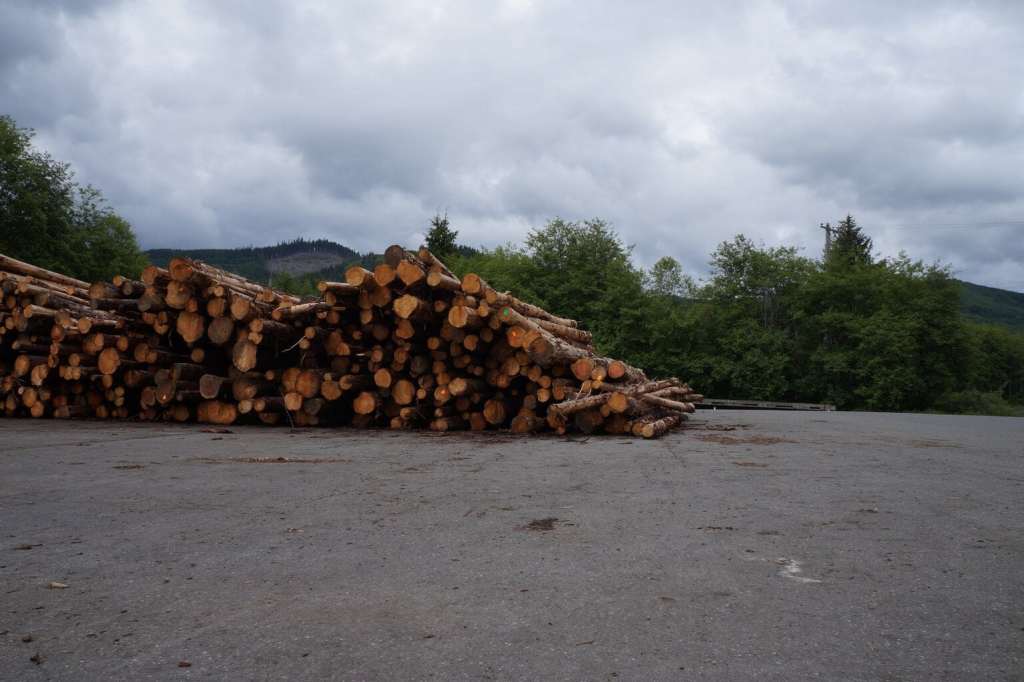
Lead researcher Dr Tehri Riutta echoes what the experts from the previous report suggested.
“Logged forests still have value—we know they have unique biodiversity—so making sure they are not releasing extra carbon through better logging practices will boost their sustainability,” Dr Riutta said.
Carbon emissions from logged forests
The ICL study reveals that unlogged forest areas tend to be carbon neutral. Whereas, moderately and heavily logged tropical forest areas act as carbon sources.
According to the team’s estimation, there’s an average carbon source of 1.75 +/- 0.94 tons of carbon per hectare. That’s in moderately logged plots.
In severely logged and degraded areas, there’s an average carbon source of 5.23 +/- 1.23 tonnes of carbon per hectare.
What’s surprising is that these emissions linger at these rates for at least one decade after logging.
Co-author Professor Rob Ewers stated, “From these measurements, we know logged forests are still a source of carbon up to a decade after they have been logged, and that this primarily comes from organic matter in the soil or from rotting wood.”
Going forward, the researchers advocate for further carbon monitoring in diverse forests globally. Therefore, we’d have a better understanding of how logged areas contribute to the intricate web of global carbon budgets.
Sources:
https://www.sciencedaily.com/releases/2023/01/230109155230.htm
Leave a Reply