

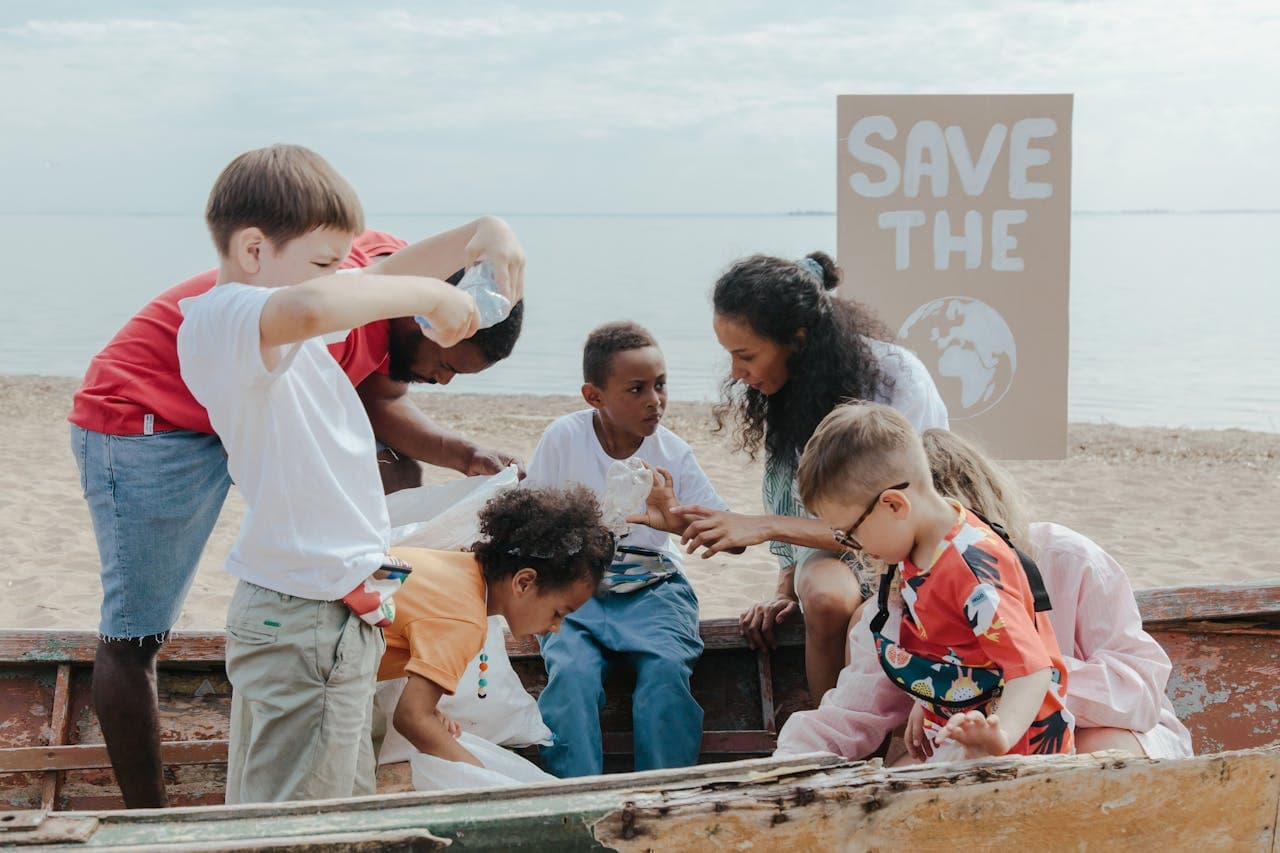
Raising the next generation to care for the planet starts at home. As parents, our daily choices—from the diapers we buy to the lessons we teach—shape our children’s values and habits. Sustainable parenting isn’t about perfection; it’s about modeling mindful living, making incremental swaps, and inviting kids to participate in eco-friendly practices.
Here’s your comprehensive guide to nurturing environmentally conscious kids, complete with practical tips, age-appropriate activities, and strategies for embedding sustainability into family life.
1. Lead by Example: Your Actions Are Their Lesson
Children learn far more from what they see you do than what you tell them. When you:
- Sort the recycling in front of them,
- Carry reusable bags to the grocery store,
- Turn off lights when you leave a room,
you send a clear message that caring for the environment is a normal part of daily life. Narrate your choices: “I’m using this cloth bag because it keeps our planet cleaner than plastic.” Over time, these small, consistent behaviors become second nature for young observers.

2. Create a Green Home Environment
Transform your household into an eco-friendly haven with kid-friendly tweaks:
- Waste Stations at Kid Height
Set up three bins—recyclables, compost, and landfill—in a low cabinet or on a small table. Label them with fun icons (paper, peelings, trash) so even toddlers can help sort leftovers and packaging. - Energy-Smart Lighting
Replace incandescent bulbs with LEDs. Consider placing motion-sensor nightlights in hallways or bathrooms to prevent little hands from leaving bulbs blazing all night. - Non-Toxic Cleaning & Personal Care
Use plant-based cleaners (vinegar + water) in spray bottles kids can help refill. Swap conventional soaps and shampoos for bar formulations wrapped in paper. - Secondhand & Hand-Me-Downs
Source clothes, toys, and books from consignment shops, community swaps, or family hand-me-downs. Teaching kids that pre-loved items are just as special as new ones instills gratitude and reduces waste.
3. Teach Through Hands-On Activities
Kids absorb lessons best when they can touch, see, and experiment. Here are age-tailored experiences:
Preschoolers (Ages 2–5)
- Plant a Windowsill Garden: Fill small pots with soil and seeds (herbs, sunflowers). Let toddlers water them daily and watch sprouts emerge.
- Nature Walk Scavenger Hunt: Create a simple bingo card—find a leaf, a smooth stone, a feather—and talk about each item’s role in the ecosystem.
Elementary (Ages 6–10)
- DIY Compost Bin: Set up a small outdoor compost bin together. Let kids collect kitchen scraps, brown leaves, and shredded paper. After a month, let them dig in “black gold” and see how it enriches soil.
- Upcycling Crafts: Turn empty cereal boxes into bird feeders, egg cartons into seedling trays, or plastic bottles into planters. Craft time becomes a lesson on reusing materials.
Tweens & Teens (Ages 11+)
- Energy Audit Challenge: Equip them with a plug-in energy monitor. Have them check which appliances draw the most power and brainstorm ways to cut phantom loads.
- Eco-Entrepreneur Project: Encourage older kids to start a small eco-business—selling reusable beeswax wraps, growing microgreens for neighbors, or offering bicycle-tire inner tube wallets. They’ll learn economics, design, and sustainability all at once.
4. Introduce Sustainable Food Practices
Food choices heavily impact the planet, and mealtime is a perfect teaching moment:
- Meatless Days: Designate one or two weekly “Meatless Mondays” or “Taco-Free Tuesdays.” Let kids help plan and prepare plant-based meals—lentil tacos, veggie stir-fries, or chickpea “nuggets.”
- Farmers’ Market Outings: Take children to local markets. Let them select seasonal produce, sample samples, and chat with farmers about how food grows.
- Garden to Plate: If you have space, involve kids in growing easy crops—tomatoes, lettuce, radishes. When they harvest and eat what they planted, they develop a deeper appreciation for fresh food.

5. Cultivate Conservation Habits
Water and energy conservation are simple yet powerful habits kids can adopt:
- Water-Saving Fun
- Use a kitchen timer for baths (e.g., two-song showers).
- Plant a small “water garden” in the yard and introduce a rain barrel—it’s science, art, and resource mindfulness rolled into one.
- Power-Down Rituals
- Create a nightly “Energy Check” where kids walk through the house turning off unused lights, shutting down screens, and unplugging chargers.
- Reward them with stickers on a chart; earning 10 stickers could equal a family movie night or a hike.

6. Foster Respect for Nature
Strong emotional bonds with the natural world inspire lifelong stewardship:
- Regular Outdoor Adventures: Whether it’s a weekend hike, beach day, or urban park picnic, make outdoor time non-negotiable. Encourage curiosity—identify bird songs, search for insects under rocks, or press wildflowers in a scrapbook.
- Animal Care & Observation: Put up a bird feeder and keep a journal of visiting species. For older kids, join citizen science projects like Monarch butterfly tagging or local water-quality testing.
- Seasonal Traditions: Celebrate Earth Day with litter cleanups, Winter Solstice with nature-themed crafts, or Autumn by collecting pinecones and acorns for art projects.

7. Encourage Mindful Consumption
Help children recognize the lifecycle of products and the value of resources:
- Toy Rotation System
- Store most toys in bins in the closet. Rotate selections every few weeks. This reduces clutter and teaches gratitude for each toy when it re-emerges.
- Quality Over Quantity
- When buying gifts—birthdays or holidays—ask kids to choose one “higher-quality” item rather than multiple cheap plastic toys. Emphasize durability and the joy of owning something well-made.
- Library & Rental Culture
- For books, movies, or games, use the library or rental services. Kids learn that sharing resources extends their life and cuts down on waste.

8. Integrate Eco-Education into Everyday Life
Sustainability isn’t a separate subject—it weaves into math, reading, and social studies:
- Read Green Books: Titles like The Lorax by Dr. Seuss, Compost Stew by Mary McKenna Siddals, and The Great Kapok Tree by Lynne Cherry spark environmental conversations.
- Sustainable Math: Have older kids calculate the cost-savings of LED bulbs, the volume of water saved by low-flow faucets, or the number of diapers diverted through cloth-diapering.
- Environmental Documentaries: Watch age-appropriate films (A Plastic Ocean, My Octopus Teacher, Before the Flood) and discuss key takeaways together.
9. Build a Community of Green Families
Kids are influenced by peers. Connecting with other eco-conscious families fosters social norms around sustainability:
- Neighborhood Swap Events: Host clothing, toy, or book swaps. It’s free, fun, and demonstrates the value of reusing.
- Shared Gardening Plots: Join or start a community garden where families tend plots side by side. Kids see ecosystem diversity and cooperative care in action.
- Eco Clubs & Activities: Enroll children in Scouts, 4-H, or local environmental programs. They’ll tackle service projects like stream clean-ups, tree plantings, and wildlife habitat restoration.
10. Celebrate Progress, Not Perfection
Finally, sustainable parenting thrives on positivity and flexibility. Avoid overwhelm by:
- Setting Realistic Goals: Focus on one new habit each month—switching to reusable water bottles, starting a compost bin, or biking to school.
- Highlighting Wins: Share monthly “green family” newsletters or fridge-board updates. Celebrate composite milestones: “This month we saved 100 plastic bags!”
- Allowing Mistakes: If a reusable lunchbox gets forgotten or you accidentally buy packaged snacks, frame it as a learning opportunity rather than a failure.
Conclusion
Sustainable parenting is less about rigid rules and more about cultivating a family culture of curiosity, responsibility, and compassion for the natural world. By leading through example, creating green routines at home, offering hands-on learning experiences, and engaging with your community, you set your children on a lifelong path of environmental stewardship.
Each small choice—turning off a light, planting a seed, reading a nature book—builds toward a generation that values and protects our shared planet. Start today, and watch your eco-conscious kids inspire change in your home, your neighborhood, and beyond.
Article by Dreamstime
Leave a Reply