

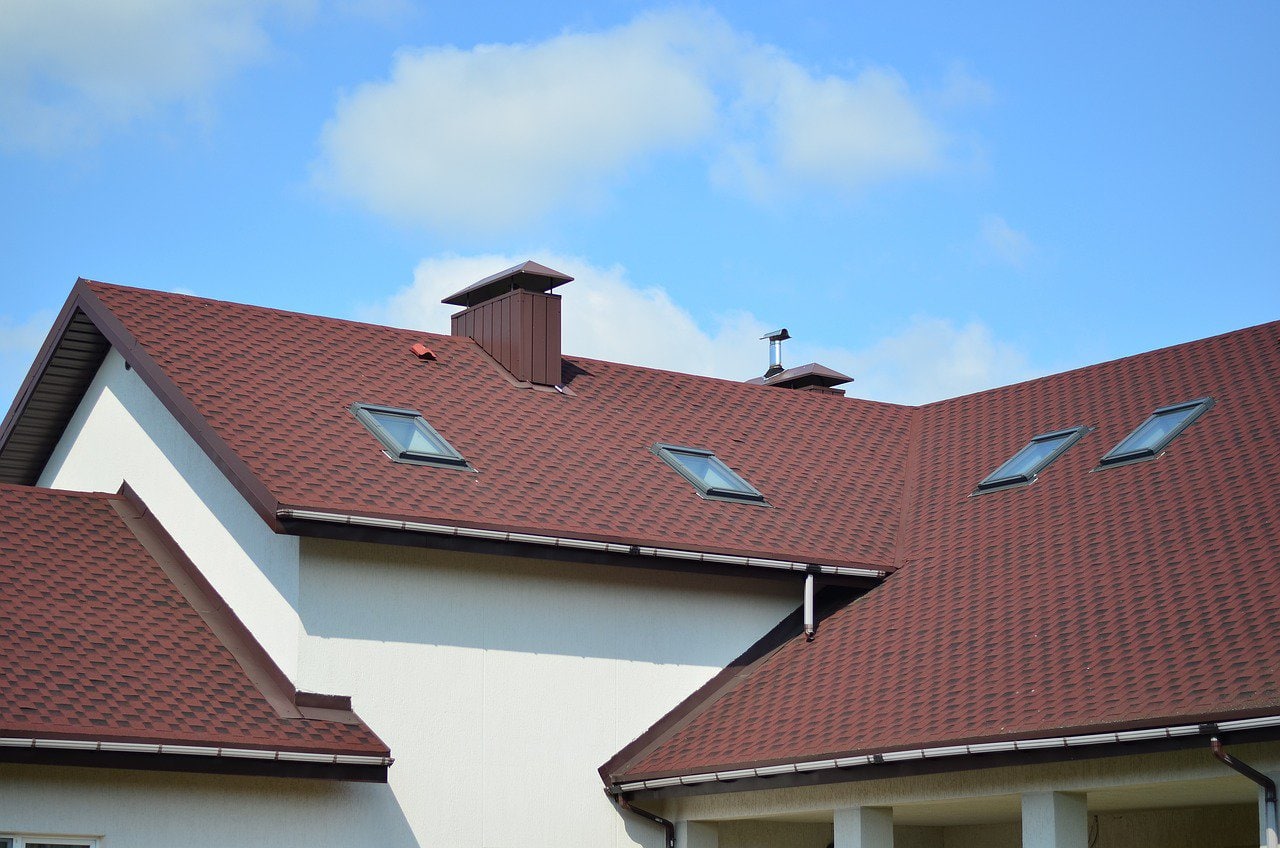
When was the last time you thought about the roof? For many, it’s out of sight and out of mind—until there’s a problem. Sustainable roof maintenance changes this mindset, emphasizing proactive care to reduce resource wastage and prevent costly damage.
However, this approach often overlooks safe and efficient access. Investing in access solutions that align with eco-friendly goals can ensure safer maintenance while reducing environmental impact. This article explores key considerations and practices for sustainable roof care.
The Connection Between Sustainability and Roof Maintenance
Sustainable maintenance revolves around minimizing resource wastage and promoting energy efficiency. For roofs, this means reducing the need for costly replacements and ensuring they perform optimally throughout their lifespan.
Regular inspections and timely repairs prevent small issues—like minor leaks—from escalating into significant structural problems. This approach saves energy, resources, and money.
Eco-conscious practices also involve using environmentally friendly roofing materials like cool roofs or solar panels. These options, while sustainable, require specialized care to maintain their energy-saving benefits.
Without regular upkeep, even green solutions can lose efficiency, undermining their environmental impact. Proper maintenance ensures residential, commercial, and industrial buildings remain sustainable from the top down.
Challenges in Roof Maintenance Without Proper Access
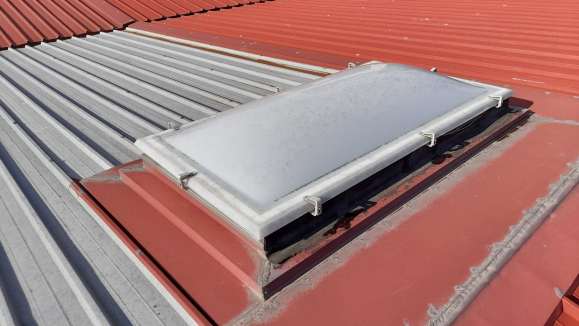
Maintaining a roof becomes even more difficult without adequate access solutions. This creates several issues, including the following:
- Safety Hazards: Lack of proper access points can endanger maintenance workers, especially on steep or slippery roof surfaces. It can lead to falls or injuries. Inadequate safety measures also result in non-compliance with safety regulations.
- Inefficient Maintenance: Limited roof access delays necessary inspections and repairs, escalating minor issues into major problems. These delays waste time, increase labor costs, and create unnecessary environmental strain.
- Environmental Risks: Poorly maintained roofs can lead to energy inefficiency, water leaks, and mold growth. These issues can harm the building and the surrounding environment, countering sustainability efforts.
Addressing these challenges through thoughtful access solutions can help property owners and builders ensure safer and more effective maintenance practices.
Importance of Safe and Efficient Roof Access
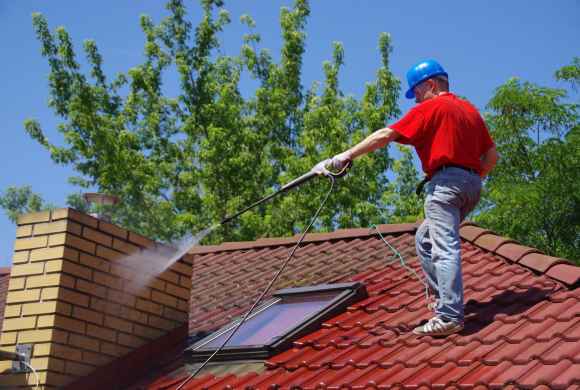
Building owners, facility managers, maintenance teams, and even construction workers all benefit from safe and efficient roof access in several ways:
- Enhanced Safety: Roof hatches, ladders, and safety rails are important for ensuring worker safety. These solutions, which comply with OSHA standards, reduce risks and create a secure working environment.
- Time and Cost Efficiency: With the right access tools, workers can complete maintenance tasks faster, saving labor costs and minimizing downtime. For instance, a roof hatch placed near a solar panel or other green building equipment can make inspections much quicker.
- Sustainability Benefits: Proper access enables timely maintenance, preventing wasteful resource usage and reducing environmental harm. Regular upkeep ensures that sustainable roofing systems, like green roofs or solar panels, continue to perform effectively.
Adding these safe access options into building designs ensures that roofs remain functional and eco-friendly over time.
Solutions for Sustainable Roof Access
Sustainable roof access solutions prioritize both safety and environmental considerations:
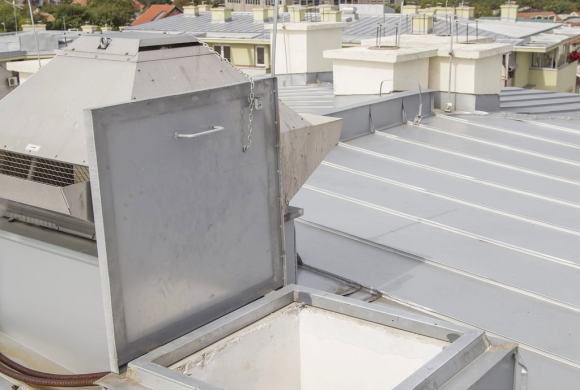
Roof Hatches and Ladders
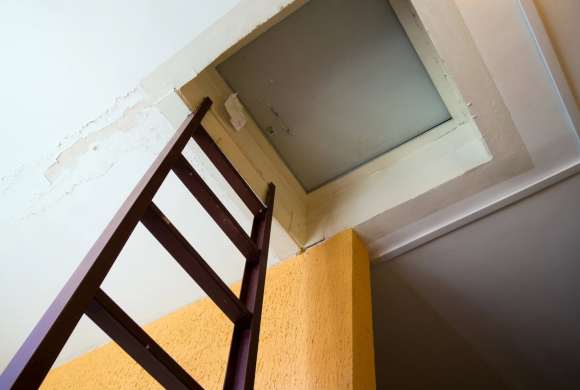
Modern roof hatches provide safe entry points for workers while maintaining the building’s aesthetic. When paired with secure ladders, they make accessing roofs straightforward and reliable.
Safety Rails
Even after using a roof hatch, there’s still a risk of falling. Solutions, like the BAC-RGS roof hatch safety rails, provide a barrier to lean on or hold onto. These safety rails offer physical support for workers and users to maintain their balance and avoid accidents.
Smart Monitoring Systems
While physical access tools are essential, technology like drones and sensors can complement them by identifying maintenance needs remotely. These tools reduce the need for frequent roof access, conserving energy and resources.
Best Practices for Sustainable Roof Maintenance
Adopting best practices ensures that roof maintenance is both efficient and eco-friendly. Here are some of them:
Perform Regular Inspections
Plan and schedule inspections at least twice each year to identify potential issues early. Addressing minor problems like clogged drains or damaged shingles prevents larger, costlier repairs.
Choose Durable, Eco-Friendly Access Solutions
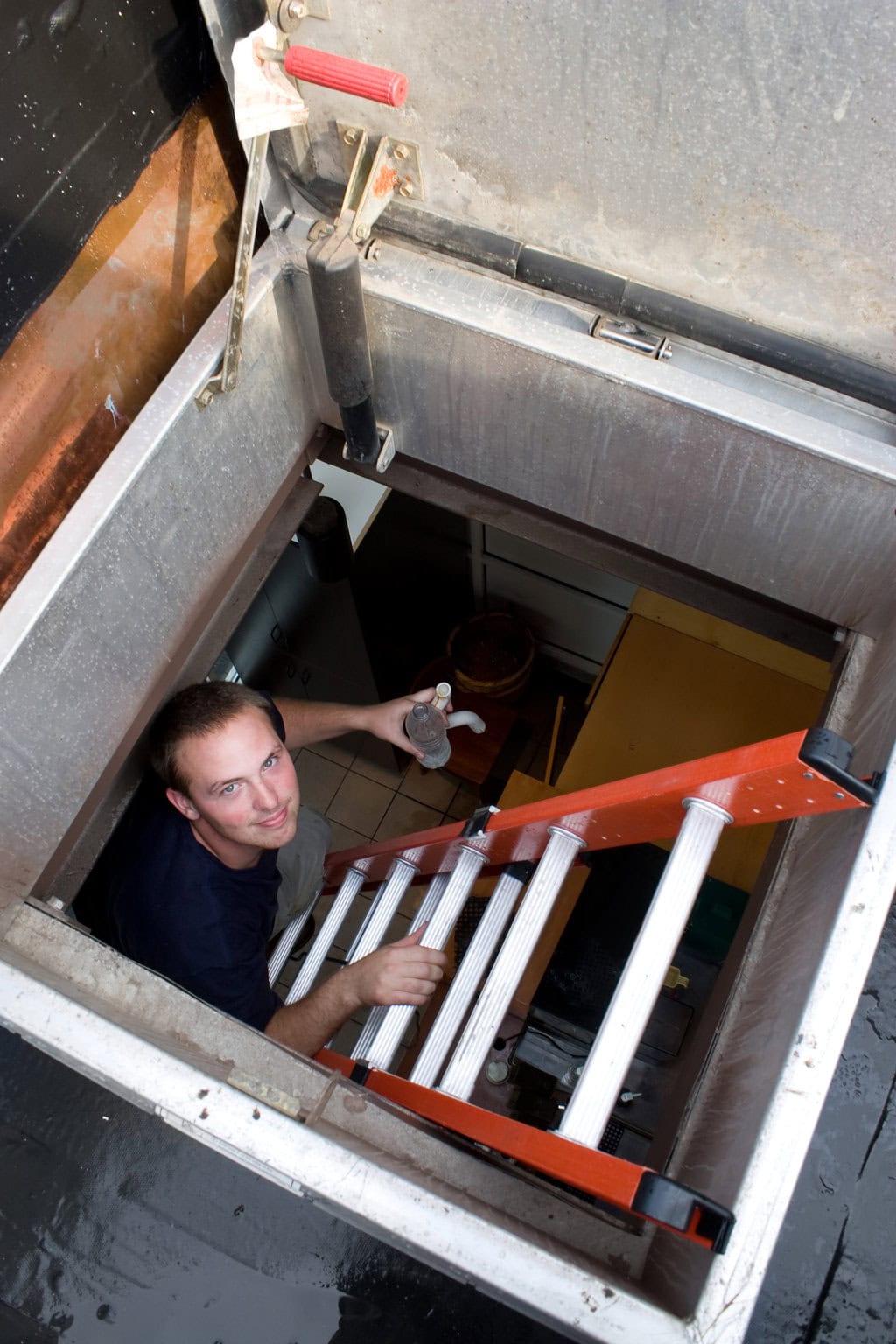
Invest in high-quality access products made from sustainable materials. Options like recycled steel roof hatches or those with LEED certifications align with green building goals.
Document Maintenance Efforts
Keep detailed records of all maintenance activities. A maintenance log helps track roof conditions, ensuring timely interventions and compliance with sustainability objectives.
Conclusion
Sustainable roof maintenance starts with prioritizing safe and efficient access. From proactive care to eco-friendly solutions, maintaining a roof ensures the longevity of a property while reducing environmental impact. By incorporating tools like safety rails, durable hatches, and smart systems, you can support both safety and sustainability.
Sustainable roof maintenance is crucial for preserving the longevity of a building while minimizing environmental impact. Ensuring safe and efficient access to roofs plays a vital role in this process, allowing for regular inspections, timely repairs, and effective cleaning without causing unnecessary damage.
By adopting eco-friendly practices and utilizing sustainable materials in roof maintenance, property owners can reduce their carbon footprint, save on energy costs, and protect their investment.
Leave a Reply