

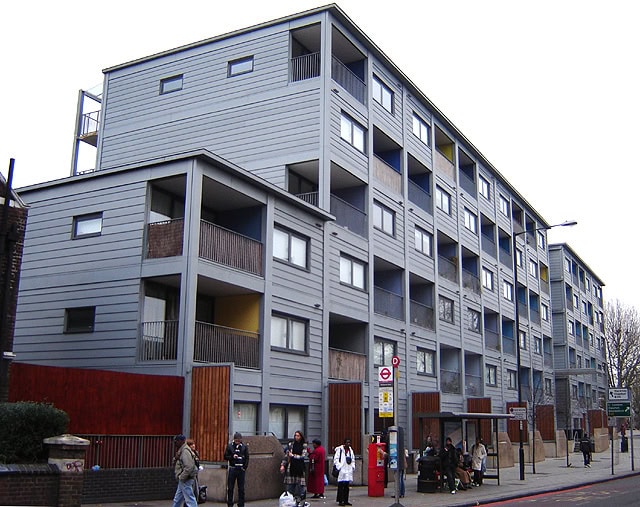
Modular construction is gaining attention as an innovative and eco-conscious alternative to traditional building methods. By assembling components in controlled factory settings and transporting them to sites for final installation, modular construction significantly reduces waste, improves efficiency, and minimizes environmental impact.
Let’s learn more the history, benefits, and challenges of modular construction, and why it’s considered a game-changer for sustainable building practices.
What Is Modular Construction?
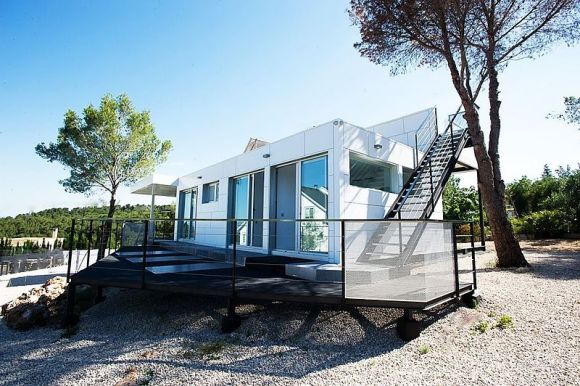
Modular construction is a type of prefabrication (prefab) that involves manufacturing building sections—or modules—in an off-site facility. These modules, which can include fully finished rooms or structural segments, are then transported to a construction site where they are assembled into a complete structure.
Modular vs. Manufactured Homes
While both modular and manufactured homes are prefabricated, they differ in key ways:
Building Codes: Manufactured homes follow HUD (Housing and Urban Development) guidelines, while modular homes adhere to local, state, or regional building codes, making them comparable to traditional site-built homes in quality and regulation.
Foundation: Modular homes are typically built on permanent foundations such as basements or crawlspaces. Manufactured homes are often placed on wheels or temporary supports.
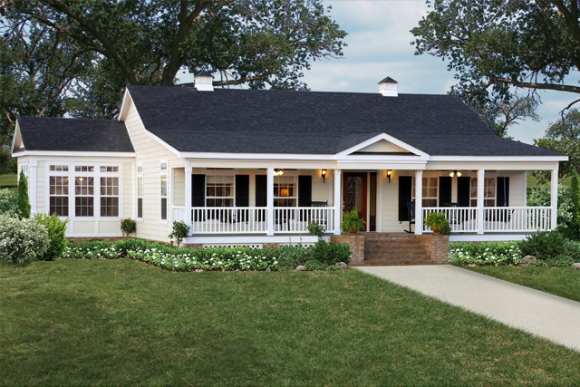
Appearance: Modern modular homes can mimic traditional “stick-built” designs, making them indistinguishable from conventional homes.
How It Works
Modular construction involves building individual sections in a factory using precise measurements and quality controls. These modules are wrapped to protect them from weather, transported to the site, and joined to form the completed structure.
Advanced methods like volumetric construction take this further by assembling six-sided, fully finished modules in the factory, which are bolted together on-site.
However, despite the reduced construction time, minor excavation work is still required to prepare the site for utilities, foundations, and proper drainage. For instance, sediment basins may need to be installed to manage runoff during the construction phase.
In such cases, sediment basin skimmers play a crucial role in ensuring that sediment and debris do not contaminate nearby water systems. These tools are particularly useful in the working of modular construction projects, where maintaining a clean and efficient work environment is essential for timely assembly.
The Rise of Modular Construction

Historical Context
Though modular construction feels modern, its origins trace back thousands of years. However, its modern incarnation gained traction after World War II, when prefab trailers provided fast, affordable housing during housing shortages. These designs evolved into modular housing and saw periodic surges in popularity in the 1970s and 2000s.
Today, modular construction is growing in response to global housing crises and environmental challenges. The method’s speed, efficiency, and reduced waste make it an appealing option for addressing contemporary needs.
Market Trends
In 2020, modular construction accounted for only 4% of U.S. housing and 5.52% of North American commercial projects, but it is projected to grow significantly, especially as sustainable building practices gain traction. In Sweden and Japan, modular construction has already reached 45% and 15% of the market, respectively.
These countries’ leadership reflects their focus on green architecture, demonstrating modular construction’s potential as a sustainability solution.
Environmental Benefits of Modular Construction

1. Waste Reduction
Traditional construction is notoriously wasteful, generating twice as much construction and demolition (C&D) waste as municipal solid waste in the U.S. Modular construction, however, operates in controlled environments, where materials are measured precisely, reducing waste by up to 83.2%.
In modular building, materials are ordered to fit the exact specifications, which helps minimize waste. For example, solid Oak beams are available in various sizes, allowing builders to order only what’s required for the project. This reduces excess material that would otherwise go unused. Additionally, modular buildings are portable, allowing structures to be relocated or deconstructed responsibly rather than demolished.
2. Lower Emissions
Modular construction generates fewer greenhouse gas emissions than traditional builds. A 2021 study found that modular methods reduced emissions by nearly 50% compared to conventional construction, largely due to fewer site deliveries and the use of sustainable materials like timber instead of steel or concrete.
For example, switching from weatherproof materials like concrete to timber for modular builds can reduce construction-phase emissions by 69%.
3. Durability and Longevity
Built in controlled environments, modular homes are less likely to be compromised by weather during construction. This high level of quality control results in durable structures with life expectancies of 50 to 100 years or more. Their longevity further reduces the environmental footprint by delaying the need for replacement or major repairs.
Challenges and Future Potential
Design and Flexibility
Early modular designs were limited in style, often boxy and modern, which restricted their appeal and adaptability. Today, advancements in modular construction allow for a wide range of styles, from conventional family homes to intricate commercial buildings. However, there are still some constraints on room sizes and ceiling heights due to factory manufacturing processes.
Additionally, modular construction often lacks the flexibility to accommodate design changes mid-project, unlike traditional builds where adjustments can be made on-site.
Transportation Costs
Transporting modules from the factory to the site can be expensive, especially for larger builds or remote locations. To minimize costs, construction sites should ideally be located near the manufacturing facility. Delays in transportation or back orders can also impact project timelines.
Perception and Adoption
Despite its benefits, modular construction accounts for a small share of the U.S. housing market. Misconceptions about quality, durability, and design options contribute to slow adoption. However, growing awareness of modular construction’s environmental advantages may help overcome these barriers.
Any Question?
1. What do modular homes look like?
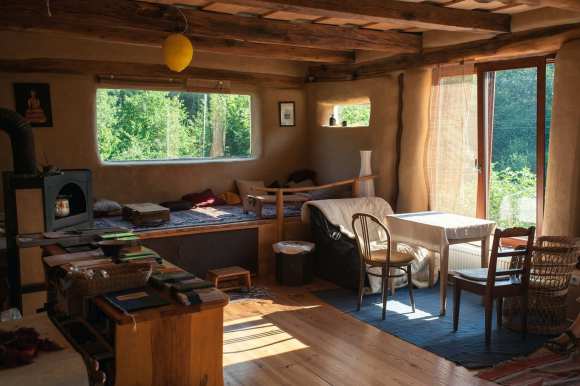
Modern modular homes come in a variety of styles, often indistinguishable from traditional homes. Builders can create custom designs to match personal preferences or local architectural trends.
2. What is the difference between modular and prefab?
Modular construction is a type of prefabrication where homes are built in self-contained modules and assembled on-site. Other types of prefab include manufactured homes and panelized construction.
3. How long does it take to build a modular home?
The timeline varies depending on size and complexity, but modular homes typically take 6 to 18 weeks for construction, transport, and assembly. Additional time may be needed for design and permitting.
4. How sustainable is modular construction?
Modular homes reduce waste, emissions, and resource use by building in controlled environments. They use fewer weatherproof materials, allow for efficient recycling, and can last for decades, making them a highly sustainable option.
Modular Construction as the Future of Building
Modular construction is transforming the way we build, offering a sustainable, efficient, and adaptable solution to the challenges of traditional construction. With its ability to minimize waste, reduce emissions, and deliver high-quality results, modular construction is poised to play a key role in addressing global housing shortages and environmental concerns.
As awareness grows and technology advances, modular methods may become a dominant force in green building, helping create a future where construction is both innovative and eco-friendly.
Sources:
Leave a Reply