

The food and confectionery industries face unique challenges when it comes to storing raw materials, intermediary products, and finished goods. From temperature control and sanitation to regulatory compliance and production efficiency — every aspect matters.
However, today’s manufacturers are expected to go further. In addition to ensuring product quality and operational excellence, they face growing pressure to minimize their environmental footprint.
This is where sustainable storage solutions play a crucial role. Leveraging eco-friendly materials, energy-efficient systems, and smarter design, modern storage infrastructure helps companies meet not only performance but also sustainability goals.
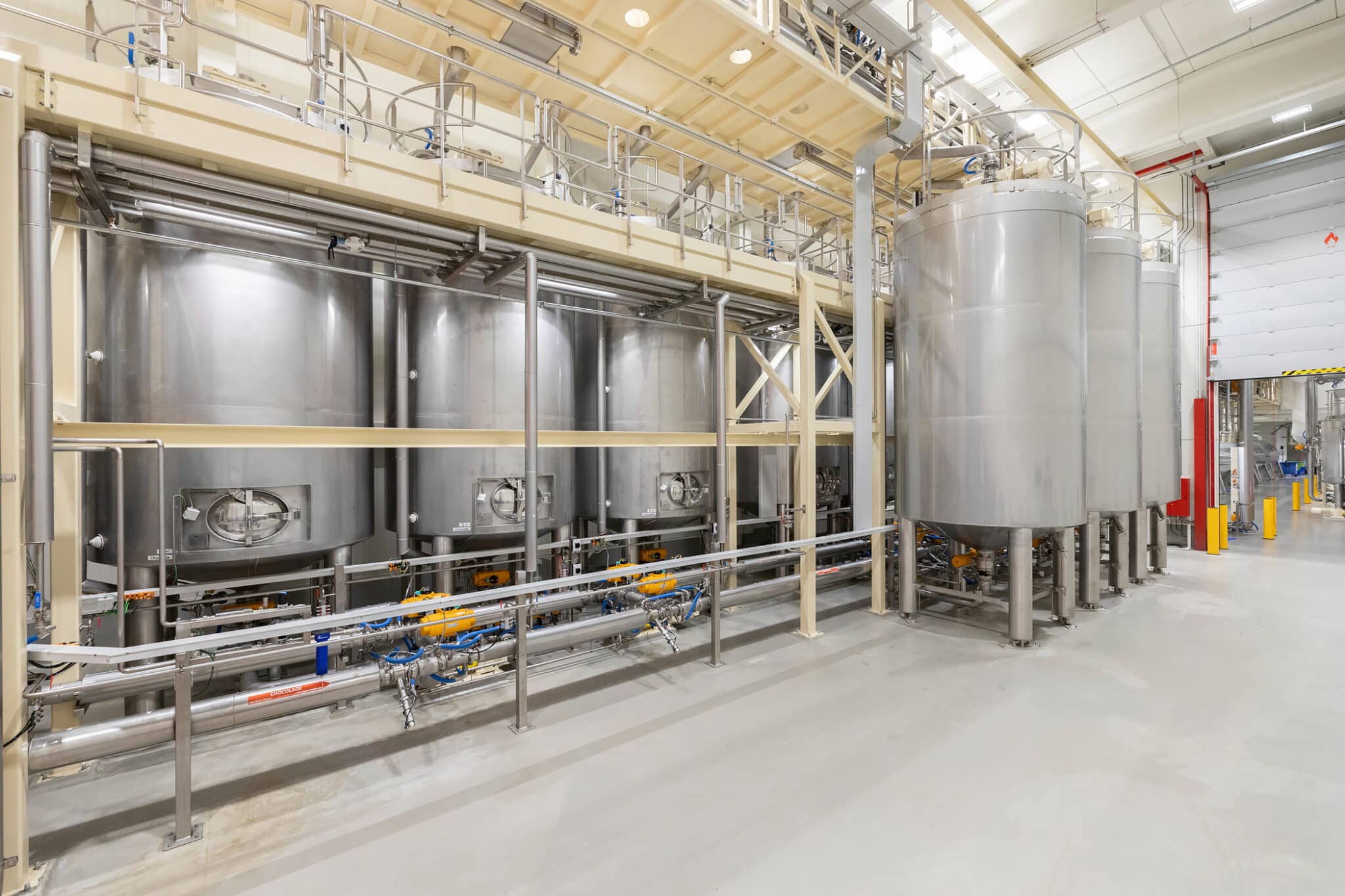
Let’s explore how environmentally conscious storage solutions are transforming food and confectionery manufacturing — with special attention to innovations like stainless steel chocolate storage tanks and other critical, eco-friendly equipment.
Why Sustainable Storage Matters in Food Manufacturing

Poorly managed storage isn’t just a production risk — it’s also an environmental issue. Spoilage leads to food waste. Energy-hungry equipment increases emissions. Non-recyclable materials contribute to landfill overflows and further strain already limited global resources..
By choosing eco-friendly storage solutions, manufacturers can significantly reduce their ecological impact while enhancing production efficiency.
Key factors include:
- Material compatibility – Eco-safe materials reduce contamination and can be recycled or repurposed at end of life.
- Energy efficiency – Equipment designed to maintain optimal conditions with minimal energy use prevents spoilage and lowers carbon emissions.
- Sanitation and longevity – Easy-to-clean, durable materials reduce water and chemical use during cleaning cycles.
- Optimized production flow – Smarter layouts minimize handling, reducing energy use and physical waste.
- Regulatory compliance – Meeting food safety and sustainability standards improves brand reputation and market competitiveness.
Each food product brings specific sustainability needs. For example, dairy storage must balance temperature control with energy efficiency, while dry goods benefit from airtight, low-maintenance environments that reduce spoilage.
Stainless Steel: The Eco-Friendly Gold Standard
In the move toward sustainable storage, stainless steel remains the leading material — not only for performance but also for its eco-credentials.
Sanitation Without Compromise
Stainless steel’s non-porous surface makes cleaning faster and more effective, reducing the need for harsh chemicals and excessive water usage. This lowers both environmental impact and operating costs — a win-win for eco-conscious manufacturers, while also ensuring compliance with strict hygiene standards and minimizing contamination risks.
Durability and Circular Economy
Unlike plastics and lower-grade metals, stainless steel is incredibly durable and fully recyclable.
- Long lifespan: Reduced need for frequent replacement means less material waste.
- End-of-life recyclability: Stainless steel can be recycled indefinitely without quality loss.
When manufacturers invest in stainless steel storage, they support a circular economy model that reduces landfill contributions and resource extraction.
Specialized, Sustainable Storage Solutions
Smart design and technology integration further elevate the sustainability of modern storage systems.
Eco-Optimized Tanks and Vessels
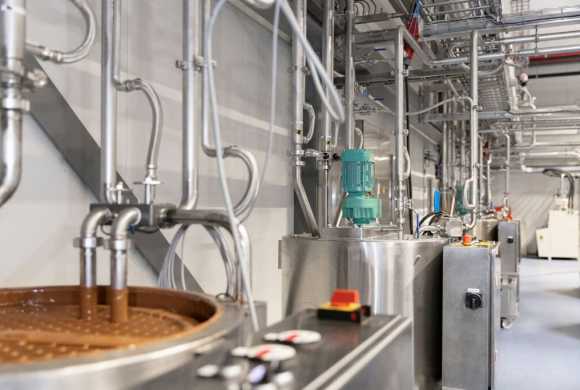
From chocolate storage tanks to ingredient mixing vessels, tanks must meet multiple sustainability criteria:
- Precise temperature control: Jacketed tanks with insulation minimize energy consumption.
- Agitation efficiency: Smart motors optimize mixing while reducing power usage.
- CIP (Clean-in-Place) compatibility: Automated cleaning reduces water and detergent waste.
By minimizing both energy and water usage, these tanks help maintain product quality while supporting eco-friendly production methods.
Silos and Bulk Storage with Green Tech
For dry goods like flour or cocoa powder, bulk storage systems play a vital sustainability role.
Modern silos often include:
- Dust collection systems: Minimize particulate pollution and waste.
- Climate control: Prevent spoilage without excessive energy use.
- Automation: Reduce manual handling, improving safety and lowering overall resource consumption.
Automated discharge and inventory monitoring further ensure efficient, low-waste ingredient management.
Technology-Driven Sustainability
Digitalization is another key enabler of sustainable storage.
Automation and Smart Monitoring
Automated storage systems reduce human error and unnecessary movement of goods, cutting energy use. Integrated sensors and manufacturing execution systems (MES) enable:
- Real-time inventory tracking: Prevent overproduction and waste.
- Predictive maintenance: Reduce unexpected downtime and extend equipment life.
- Optimized temperature management: Save energy by running only when necessary.
Traceability and Waste Reduction
Smart storage solutions also support eco-friendly goals through enhanced traceability:
- Precise tracking reduces product loss and facilitates efficient recalls.
- Digital records replace paper logs, lowering material consumption.
- Batch control ensures older products are used first, minimizing spoilage.
Conclusion: Green Storage for a Smarter Future
Eco-friendly storage solutions are no longer optional, they are essential for food and confectionery manufacturers aiming for responsible growth.
In an era of rising environmental awareness, sustainability has become a core business value. Smart, energy-efficient storage systems help reduce waste, minimize emissions, and optimize resources without compromising product safety or quality.
As regulations tighten and consumers become more eco-conscious, companies that invest in sustainable storage infrastructure gain a competitive edge, positioning themselves as leaders in both quality and environmental stewardship.
Sustainable storage isn’t just good for business. It’s good for the planet, and for generations of customers who expect smarter, greener choices. By embracing innovative solutions today, manufacturers can shape a cleaner, more resilient tomorrow.
Leave a Reply