

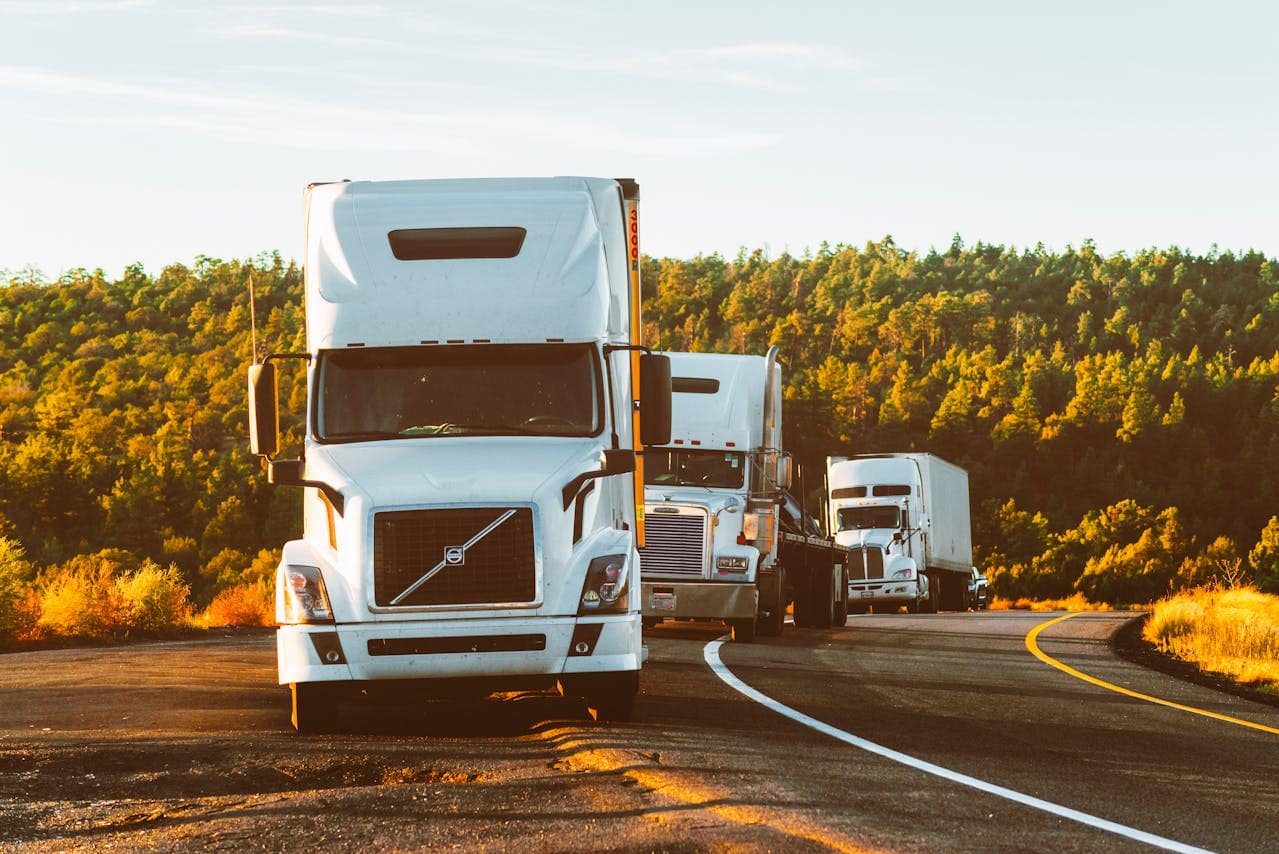
When you hear sustainable transportation, the first thing that comes to mind is electric cars. However, it encompasses much more than just electric cars. It is shipping goods by sea as opposed to airplanes, automatic trains and smart cities, among others. But are these measures useful when it comes to reducing environmental impact and increasing road safety? Let’s check it out.
Increasing road safety
Since sustainable transportation focuses on greener means of going from point A to point B, road safety is greatly increased. Since carpooling, public transit, and cycling are promoted, there will naturally be fewer congested roads and lower speeds in areas with pedestrians. Right now, if you’re involved in an accident, you need a Dripping Springs truck accident legal expert to get adequate compensation.
With a sustainable transportation system, such accidents are rare because there are fewer aggressive drivers on the road. Road traffic tends to make people impatient and agitated. When drivers are not frustrated, road users will be safer.

Besides the other factors that could cause accidents, there’s also the environmental factors. For example, too many cars on the road means more pollution and more pollution means foggy weather conditions. Drivers may be unable to see clearly and this could lead to unsafe road conditions.
A brighter, nonpolluted atmosphere also improves the moods of drivers, making them less agitated and likely to get into accidents.
Environmental impact
The effects of global warming on the environment are becoming more visible by the day. Recently, scientists reported that the plants, soil and forests didn’t absorb any carbon dioxide in 2023. Carbon emissions are on an all time high for this purpose. It isn’t quite clear if the increase in carbon emissions made it difficult to see any difference.
So far, 2023 is considered the hottest year and it may continue in the future. Sustainable transportation can play a large role in combating these effects. For one, it means reduced emissions since green energy will be prioritized. Some countries are already recommending green transport solutions such as bicycles and rechargeable scooters as opposed to cars that use gas.

Using bicycles can reduce pollution, which is also healthy for pedestrians. Vehicle noise pollution can also be greatly reduced, improving human quality of life.
Also, sustainable transportation reduces the burden on the environment when it comes to resources. Since transport systems are more efficient, there will be no need to produce more cars and other inefficient transport systems. This means the earth’s natural resources will not be depleted.
Is a sustainable transportation future possible?
Despite the calls for greener alternatives over the past decades, the world hasn’t done much to implement sustainable practices. However, with the rise of electric vehicles, some believe that it could be a starting point for the future. There are some debates about the exploitation of resources to create batteries for this device, so it isn’t considered the perfect solution at the moment.
So far, electric vehicles are at the forefront of sustainable transportation. This shouldn’t come as a surprise because fossil fuel powered vehicles account for a percentage of greenhouse gasses. In fact, some public services have already tested this out in different countries resulting in clearer skies and reduced overall population.
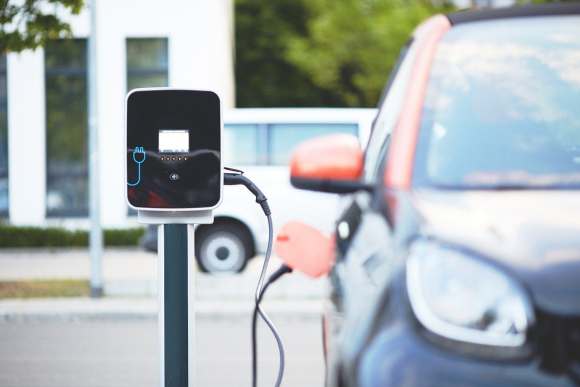
However, this initiative still struggles in places with poor power supply. In such places, charging the vehicles is a challenge and can be costly too. Besides this problem, there is the unavailability of charging stations for the cars. Some electric vehicles can last two days without a charge, but what happens when you need to take a long trip and can’t find a charging station nearby. This already discourages potential users from the technology.
Thankfully, some governments are offering incentives for citizens who buy electric vehicles. They offer tax incentives and promote sustainable transport to encourage residents to buy them. This has had some success in European countries but the cost of the electric vehicles still keep them away from a large demographic.
In the future, governments may offer subsidies for purchasing electric cars or reduce taxes for manufacturers so the cars can be cheaper to afford for all residents. When this happens, we may finally see the phase out of diesel and fuel powered vehicles. However, we expect some resistance from vehicle manufacturers. But if they are able to focus on EV production, this won’t be an issue.
Conclusion
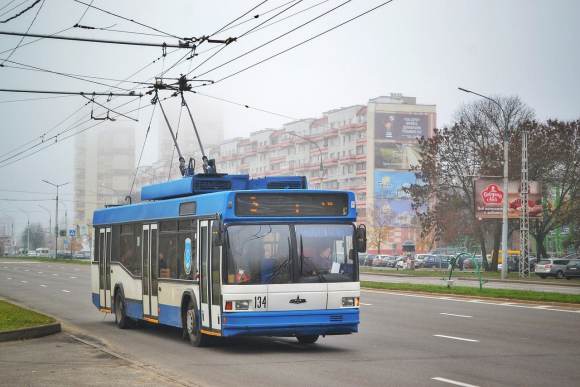
While it seems like sustainable transportation is not attainable, we can agree that many countries are putting effort into making it mainstream. Many countries have put electric buses in the public transport system while others offer tax incentives to encourage people to buy electric cars. There are still debates about private jets and other sources of pollution which bring doubt to our minds about world leaders’ commitment to sustainable transportation.
However, there’s still a chance that the world can create a sustainable transportation system in the future. We just have to wait to see it.
Leave a Reply