

How do we ensure that our beloved pets receive the best possible care while at the same time taking care of our planet? This is a concern close to both heart and mind for pet owners and veterinary professionals the imperative for sustainable practice in veterinary medicine grows more pressing by the day.
Sustainable veterinary care is no longer a fad but a necessary approach in today’s world, where environmental issues are increasingly challenged, and animal health and welfare are enhanced. Eco-friendly measures taken by veterinary clinics greatly reduce their carbon footprint, save resources, and create a healthier planet for generations to come.
Understanding Sustainable Veterinary Care
Sustainable veterinary care covers an array of practices that focus on animal health welfare and environmental stewardship. It shows responsibility in significantly curbing waste, minimizing resource usage, and strategizing ecological balance. Areas to consider include using environmentally friendly products and purchasing renewable energy, a holistic approach benefiting both animals and the environment.
Veterinary clinics can play a significant role in promoting sustainability. Understanding core principles that form veterinary practice valuation multiples will empower clinics to make meaningful changes that benefit both the environment and their clients. Once these principles are embraced, clinics can initiate real transformations in their operations and community impact.
Eco-Friendly Practices in Veterinary Clinics
Effective Waste Management
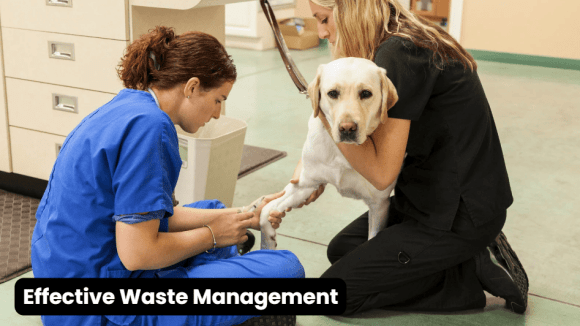
Effective waste management constitutes one of the most important constituent elements of sustainable veterinary care. The kind of waste generated by veterinary clinics varies, ranging from medical waste to plastics, and paper products. A full waste management plan with a focus on recycling and proper disposal of hazardous materials should be developed.
A recycling program for paper, cardboard, and plastics may also enhance the likelihood that medical staff members would segregate items destined for recycling from those intended for general waste.
Moreover, dealing with authorized hazardous waste removal companies means that medical wastes are handled responsibly and disposed of under suitable standards. Organic waste in the clinic can be composted, and food pellets from staff meals, along with biodegradable products, can be added to this list.
Selecting Green Products
One of the areas through which clinics can mitigate their environmental impact is in the selection of green products. This may include products like green veterinary consumables and green cleaning agents.
Externally, minimize packaging waste through partnering with pharmaceutical companies that have good, sustainable practices and only buy generic formulations. Use only biodegradable or compostable supplies whenever you utilize supplies like exam gloves, surgical drapes, and food containers.
Lastly, adopt the use of environment-friendly cleaning products free from all the harshest chemicals for the safety of the staff and animals in the facility.
Inculcating Energy-Efficient Practices

This can be achieved through up-to-date equipment, energy optimization, and different options for renewable energy. Investments in medical equipment with energy-saving designs also can contribute to sustainability, such as energy-efficient lights, low-energy heating and cooling systems, and energy-efficient surgical equipment.
Energy use can also be minimized by using smart thermostats for heating and cooling at times when the operating rooms are not in use. Secondly, clinics can contemplate installing solar panels or participating in local green energy programs for the use of renewable sources of energy.
Assisting Renewable Modes of Transport
Transportation happens to be one of the significant contributors to the carbon footprint of a clinic. By asking for ways and means of sustainable transport, clinics can contribute towards minimizing emissions in the environment.
Subsidized transit passes or bike parking facilities can be incentives offered by clinics to staff members for using public transport to minimize eco-friendly commutes. These telemedicine services also reduce the burden of going to the clinic for follow-up appointments or minor health issues.
Engaging with the Community

Sustaining a culture of sustainability goes beyond the structure walls of the clinic. Educating the community and raising awareness among pet owners to care for their pets sustainably will push sustainable veterinary care further.
Workshops on sustainable pet care, for example, waste reduction in grooming practices, accountability as a pet owner, and shelter adoption are strategies that can be used to involve the community. There are also resources and information on sustainable products, local recycling programs, and other options under eco-friendly pet care ready to support this initiative.
Promoting Sustainable Pet Food Options

The relationship between pet food production and the environment should weigh significantly on veterinarians’ minds. Combining efforts with a pet’s owner over sustainable pet food choices can assist veterinarians in guiding their clients toward more eco-friendly pet decisions.
Partnering with local pet food distributors that focus on responsible sourcing and production may open up more opportunities for animals to be fed with more ecologically friendly feed. Another effective strategy is the education of pet owners on the advantages of a homemade diet, with an emphasis on locally sourced ingredients, in particular, reduced carbon footprint due to the cost of transportation.
Benefits of Sustainable Veterinary Care

There are many benefits in the aspects of the environment and the health and well-being of animals brought about by sustainable practice in veterinary clinics. Considering the issues with sustainability will improve the position of a clinic in the community and attract clients who feel a sense of responsibility for the environment.
The majority of eco-friendly practices concern energy conservation and reducing waste, and that saves a lot of expenses in the long run. Moreover, implementing non-toxic products and other sustainable considerations helps clinics provide a healthier setting for animals, thus reducing significantly their chances of exposure to hazardous chemicals.
Conclusion
Sustainable veterinary care forms an essential part of any modern veterinary practice and, while bringing advantages to the environment, provides improved health and welfare for animals. Green practices in veterinary clinics will reduce their carbon footprint, protect resources, and instill a culture of sustainability in the community.
Pet owners, in recent years, have become increasingly aware of the need for sustainability. This, therefore, brings along with it a singular opportunity for veterinary clinics to be leaders in responsible pet care. By putting sustainable veterinary care at the center of its scope, we will create a healthier planet for our beloved pets and for generations yet to come.
FAQs
- What is sustainable veterinary care?
Sustainable veterinary care involves practices that prioritize animal health and welfare while minimizing environmental impact. This includes waste reduction, energy efficiency, and the use of eco-friendly products.
- Why is sustainability important in veterinary clinics?
Sustainability is important because it helps reduce the carbon footprint of veterinary practices, conserves resources, and fosters a healthier environment for animals and their owners.
- How can veterinary clinics reduce waste?
Clinics can reduce waste by implementing recycling programs, properly disposing of hazardous materials, and using biodegradable or compostable supplies.
Leave a Reply