

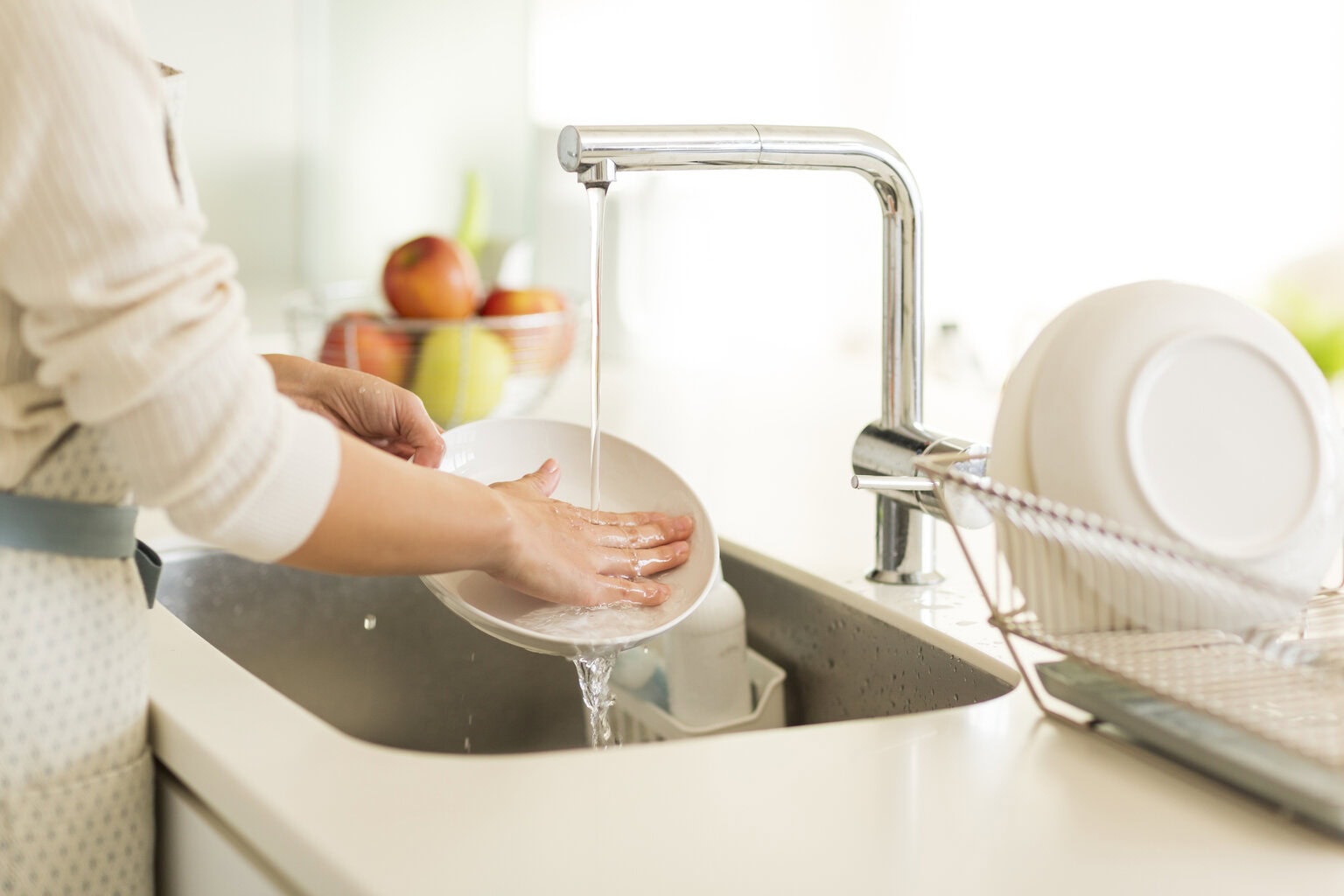
Water is something many people use without a second thought, whether they’re brushing their teeth, washing up plates or flushing the toilet. However, the way you use water in your home matters more than you may think. Small, everyday habits can make your home far more water-efficient, leading to lower bills and a healthier planet. Mindful water use and making some simple changes can go a long way.
Everyday Habits That Improve Water Efficiency
Each action you take can make great strides in conserving the community’s precious resource. Here are some small habit changes you can make in a typical house’s highest water use areas.
In the Bathroom
Bathrooms are a major source of water use, but also offer some of the easiest opportunities to cut back.
A dripping faucet can waste upward of 3,000 gallons over the course of a year if it drips once every second, while a leaky showerhead dripping 10 times per minute can waste over 500 gallons per year. Fix leaks like these in the bathroom and around the house to save big.
Turning off the tap while brushing your teeth or shaving can also have a significant impact, as can shortening your showers. Spending a minute or two less in the shower can save water each day, adding up to gallons saved over the course of a year.

In the Kitchen
Small changes go a long way in the kitchen, too. Avoid running the tap while washing dishes, and if you have a dishwasher, only run it when it’s full.
You can save water used to clean fruit and vegetables, or water that runs while you wait for the temperature to heat up. This gently used “graywater” can be reused elsewhere, like watering plants. Thawing food in the fridge rather than under running water, and scraping plates rather than rinsing them, can also make a sizable impact.
Outdoors
Outdoor water use is one of the biggest contributors to household consumption, totaling nearly 8 billion gallons every day across the United States.
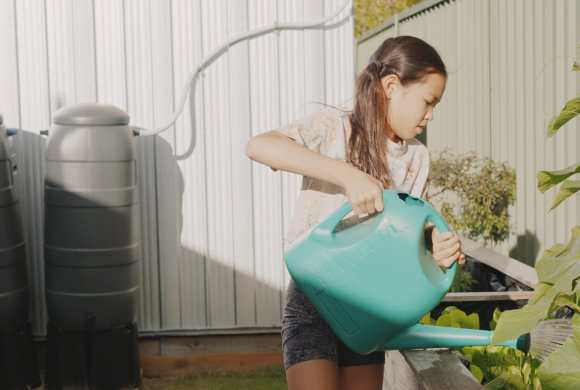
A standard garden hose can release over 10 gallons of water per minute. Switching from a hose to a watering can has a big impact, as it gives you more control over how much water you use and encourages greater efficiency. Using a broom instead of a hose to clean sidewalks is another way to reduce hose use.
Consider watering your garden early in the morning or late at night to reduce evaporation and use mulch around plants to retain moisture.
Consider Installing Water-Efficient Appliances
Daily habits can make a big difference, and so can replacing appliances with water-efficient ones. It may seem like an unwanted expense at first, but these appliances can actually save you money over time by reducing your water bill.
Low-flow showerheads, aerated taps, dual-flush toilets and other water-efficient appliances can reduce your water use by at least 20%, and that reduction will be reflected in your expenses. Even upgrading to newer appliances can make a difference, as modern dishwashers and washing machines are often built with water efficiency in mind.
Rainwater tanks are a great investment in conservation, as they let you reuse natural rainwater for gardening instead of drawing from a tap.
Why Water Efficiency Matters
Water may seem abundant, but it is far from unlimited. More than 4 billion people worldwide experience water scarcity for at least one month each year, a stark reminder that the water conservation issue is a human issue as well as an environmental one.
Demand is increasing even in places where water has previously been readily available. Rising populations, climate change and increased usage are putting strain on existing supplies.
Is Water Renewable?
Water is considered a renewable resource, though the question is more complex than it may seem. Humans cannot use the full 70% of the planet’s water. Water is continuously recycled through natural processes like rainfall and evaporation, but it isn’t always available when and where it is needed.
Only 1% of the world’s water is accessible freshwater for everyday human use. The rest is locked in glaciers, stored deep underground or found in large bodies of water, such as the oceans. Even with seemingly unlimited access to running water, the water you use at home is more limited than it may appear.
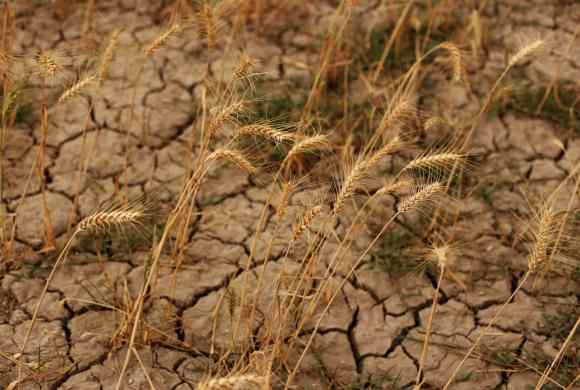
Droughts, pollution and uneven distribution can make access to clean water challenging in some areas. It’s important for everyone to use water responsibly, even in locations where it may seem unlimited.
A More Sustainable Future
Improving your home’s water efficiency doesn’t require an overhaul of your day-to-day life. Making small, thoughtful changes can make a significant difference. Habitual changes and installing water-efficient appliances can go a long way to reducing both your water use and your bills.
About the Author

Writers Bio: Jane Marsh is an environmental journalist and Editor-in-Chief of Environment.co, where she covers climate policy, renewable energy, and sustainable living. With over four years of editorial experience, her work has been featured on Renewable Energy Magazine, Biofriendly Planet, and Earth.org. Jane specializes in making complex environmental topics accessible and actionable for everyday readers.
Leave a Reply