

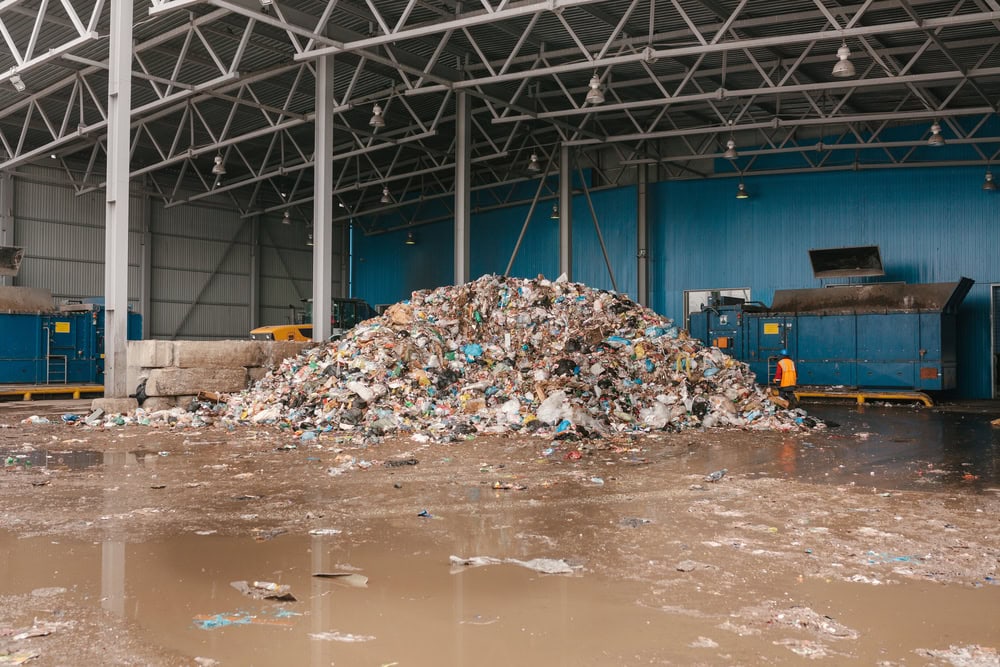
Plastic production is now the fastest-growing use of oil, surpassing cars. That’s according to Aarthi Ananthanarayanan, director of the Climate and Plastics Initiative at the Ocean Conservancy.
She stated that as other sectors moved to clean energy, by 2050, there would be more oil per person to make plastic than to fuel cars.

Currently, 12% of global oil consumption goes to plastic production; more than the aviation sector.
And yet plastics. which mostly come from oil, are largely absent from corporate and investor climate commitments.

What makes it worse is that some climate target-setting frameworks ignore plastic-related emissions. Some even suggest increasing plastic production as a greenhouse gas (GHG) reduction strategy, as carbon remains stored in the final product.
Ocean Conservancy’s associate director Anja Brandon stated that if meeting net zero targets by 2030 or 2050 was still the goal, plastics shouldn’t be ignored in the corporates’ portfolio.
There are six takeaways that these experts noted down for companies which they can look at as a bit of a guide.
1. Understand suppliers’ scope 3 emissions
For consumer goods companies, 75% of their plastic-related GHG emissions come from Scope 3 sources. The sources generated upstream by suppliers extracting fossil fuels and producing plastic resins.
Not addressing the upstream emissions meant that there won’t be a significant reduction to the climate impact of plastics, according to one of the experts.
There are different kinds of emissions which depend on chemical additives, production facilities, and methane leaks from oil and gas extraction.

Methanol, for instance, is a key ingredient in polyester which is sometimes derived from coal. That makes it six times more carbon-intensive than oil-based alternatives.
Moreover, location plays a role. Some countries like South Africa and Indonesia rely heavily on coal for energy. They have quadrupled coal-related emissions from platics since 1995.
Also, different plastics result in different carbon footprints. Polypropylene (PP) is actually the least carbon-intensive, with 4.5 kg of carbon dioxide per kilogram of plastic.
On the other hand, polyethylene terephthalate (PET) is the most, as it can go above 6 kilograms of carbon per kilogram of plastic.
Therefore, when companies want to reduce emissions, they must push suppliers for transparency. This way, they can assess their own upstream footprint.
2. There’s no one-size-fits-all alternative
Plant-based bioplastics could seem like a very good sustainable alternative to plastics, but experts argue that they can come with their own environmental costs.
The said costs include fertilizer use, land conversion, and methane emissions from decomposition.
The most effective way to cut emissions, they say, is to reduce plastic use through material efficiency and source reduction.
According to Rich Crousset at Eunomia Research and Consulting, right now we don’t have the best sustainable packaging.
It is important to avoid replacing one single-use issue with another. And instead, the focus should be on reusing, quality products which will lead to longer lifespan, and improved material recovery.
Reusing and refilling business models can offer the most significant carbon reduction potential.
Ellen MacArthur Foundation’s policy director for North America Dacie Meng said that shifting to reuse could cut carbon emissions by 35% to 70%.

3. Plastics are becoming a legal liability
As climate-related lawsuits surge, accountability for plastic pollution is becoming a legal risk.
Experts say that there’s a growing movement to hold companies responsible for environmental and societal impacts.
Oil and gas companies all over the world have faced over 100 lawsuits. Additionally, new reporting requirements are creating a wealth of compliance data.
The data will be examined by investors, regulators, and attorneys that are trying to hold major polluters accountable.
Being careful about plastics as a company, therefore, is a wise decision going forward.
4. End-of-life management can reduce emissions
Globally, 19% of plastic waste is burned, and another 22% escapes waste management, ending up in oceans or being burned in open pits. Only 9% is recycled.

Experts said that this gives an opportunity to lower emissions through better end-of-life management.
Utilizing more reusable packaging and containers can prevent plastics from getting incinerated or thrown into the environment.
Recycling won’t solve the plastic problem, especially when done alone as a waste management. However, it remains a valuable tool.
According to experts, for every ton of plastic recycled, we cut three tons of carbon emissions. So, increasing recycled content across all materials—plastic, metal, and glass—will lower carbon footprints.
5. Regulations are coming: prepare now
Extended Producer Responsibility (EPR) laws are getting traction. Five U.S. states have already enacted the laws, and nearly a dozen more have considered similar legislation.

Policies like these require companies to manage the end-of-life of their plastic products. They also often include mandates for reducing packaging and increasing recycling.
Modern EPR laws have pushed many into action because they’ve made sustainability a necessity rather than an option
6. Collaboration is key to scaling impact
Collaboration is a must when it comes to driving a meaningful change.
Per the experts, EPR laws can make it possible for companies and brands to develop large-scale systems as opposed to resulting in single-use packaging.
For instance, right now L’Oréal works together with retail partners, stakeholders, and groups to expand its refill strategy.
Building shared infrastructure, fostering industry-wide collaborations, and standardizing reusable packaging systems will be critical for companies and their efforts.
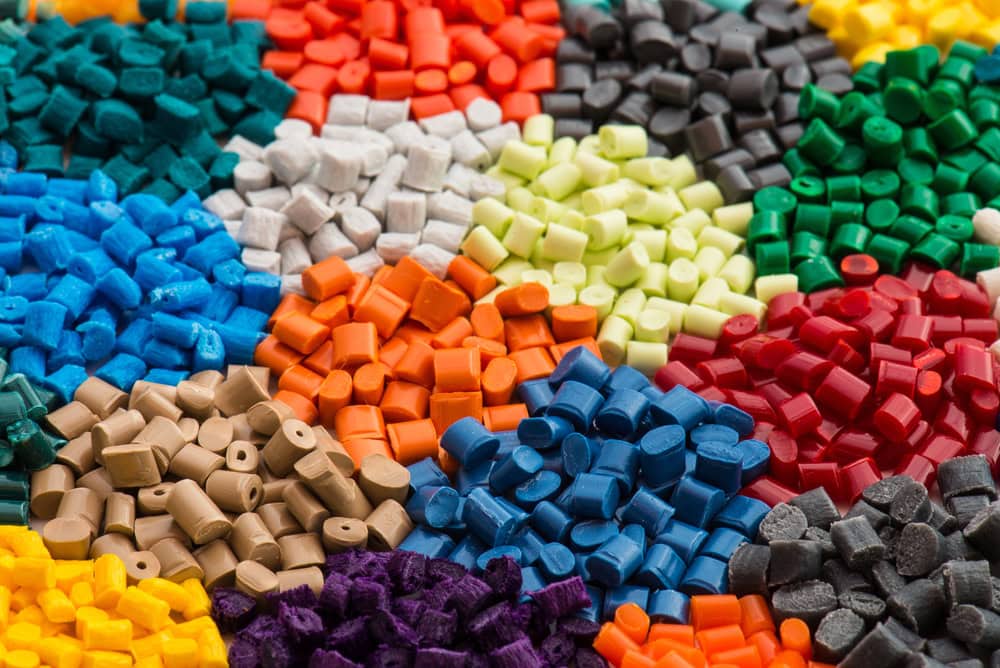
How companies embedded plastics in modern life

Think about how much plastic you’ll throw away today—bottles, bags, food wrappers. In the U.S., that adds up to about a pound per person daily.
How did we come this way?
In the past 70 years, plastic has become ubiquitous, with production increasing 230-fold since 1950.
But as production increased, so did pollution.
The plastics industry played a key role in shaping this throwaway culture. In the 1950s, companies promoted plastic as cheap, abundant, and disposable.
And then, trash and litter became a national concern. To answer this, they deflected blame by promoting recycling, despite knowing it was unlikely to work.

Now, with plastic pollution spiraling out of control, the UN is negotiating a legally binding treaty.
UN Environment Programme’s executive director Inger Andersen said that plastics were still needed for certain uses like medical, but the growing agreement is that a lot of single-use plastics could go.
Holding corporations accountable
The throwaway culture encouraged by the plastics industry is evident in rivers. Plastic waste fills the riverbanks, breaking down into microplastics that contaminate water for billions of people.
Volunteers regularly clean up the river, but new waste quickly replaces what’s removed. It really seemed like all the efforts by the volunteers were fruitless.
Companies have gotten lawsuits but they often shift the blame to consumers, saying that they can recycle it and place waste into the correct bin.
If a company truly cares about the environment, and if it strives to be an environmentally responsible brand, then the guide above can help it succeed. It should also remember not to deflect the blame and own up to its responsibility.
Sources
https://trellis.net/article/6-ways-tackle-damage-plastics-are-doing/
https://www.npr.org/2024/06/09/nx-s1-4942415/disposable-plastic-pollution-waste-single-use-recycling-climate-change-fossil-fuels
Leave a Reply