


Tanzania is the crown of East Africa and is at the forefront of ecotourism. With enormous landscapes and diverse wildlife, the promise of experiencing the awe of nature becomes the vehicle by which travel itself positively advances conservation. Let’s explore how Tanzania’s eco-safaris are setting new standards for responsible tourism.
Tanzania’s Eco-Tourism Leadership
Tanzania has made a lot of room for ecotourism ventures and dedicated land areas to national parks and reserves, hence very clearly being a global leader. These areas are a testament to the country’s commitment to conservation and offering enriching tourist experiences.
We delve into the world of Tanzania’s eco-safaris and see how such adventures not only make lifelong memories but also rightfully and directly contribute to African heritage conservation.
Key Components of Eco-Safaris in Tanzania
Eco-Friendly Accommodations and Practices
This consideration towards the environment extends into the construction, where most eco-lodges are constructed using locally acquired materials such as bamboo and thatch.
Luxury Safaris Tanzania: For those needing a little luxury in their lives while not bargaining on sustainability, luxury safaris in Tanzania will provide a wealth of eco-friendly yet lavish accommodations.
This proves that comfort and conservation can coexist and that visitors can enjoy world-class hospitality while minimizing impacts on the environment.

Wildlife Conservation Efforts
Tanzania’s national parks and game reserves are vital havens for Africa’s large mammalian population, including the renowned “Big Five”: lions, leopards, rhinos, elephants, and buffaloes. These diverse ecosystems thrive thanks to dedicated long-term conservation programs.
One notable example is the Serengeti Lion Project, established in 1966, which has been instrumental in monitoring and protecting lion populations. For travelers planning a Tanzania safari, these conservation efforts are essential in maintaining the country’s rich biodiversity.
Many of the top safaris in Tanzania offer tourists the chance to actively participate in conservation initiatives. These eco-safaris often include guided tours where visitors can learn about ongoing research projects and the challenges faced in wildlife conservation. By engaging with these efforts, tourists gain a deeper understanding of how their safari experience contributes to the preservation of Tanzania’s natural heritage.

Engaging with Nature Responsibly
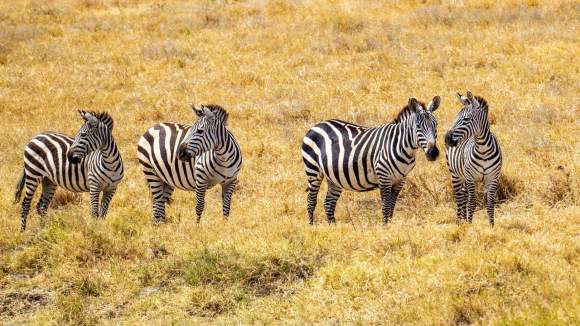
The Tanzania National Parks Authority, through TANAPA, is strict on ensuring ethics in wildlife viewing: maintaining a distance of about 30 meters from the wildlife, and the number of vehicles is also limited to protect the tourists and animals.
The best standards for the great safaris in Tanzania normally feature well-informed guides who are trained to cause minimum disturbance whenever wildlife encounters take place.
Moreover, wildlife directly benefits when tourists choose eco-friendly operators who support conservation and community efforts and even by citizen science of some form or another such as wildlife monitoring, to which many eco-lodges contribute.
Preserving Tanzania’s Natural Beauty
Keeping the Environment Clean and Safe
This is the Leave No Trace concept, a basic guiding principle for eco-safaris in Tanzania. One major move by the tourism board is to advise visitors not to pollute or litter the environment. Most eco-lodges provide guests with reusable water bottles and biodegradable toiletries to reduce plastic waste. Spaced areas for waste are provided, and visitors are trained on how to handle such waste during their stay.
Ensuring Animal Safety and Comfort
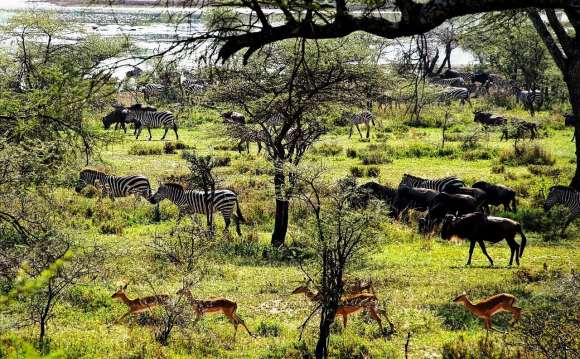
The preservation of the wildlife of Tanzania is the main issue in its eco-safaris. There are numerous rules set by various operators on game viewing for minimal disturbance of the animals, including keeping safe distances from the animals, taking only a certain number of vehicles to the sighting, and following designated routes so that the habitat of the animals may not be disrupted.
Balancing Conservation and Enjoyment
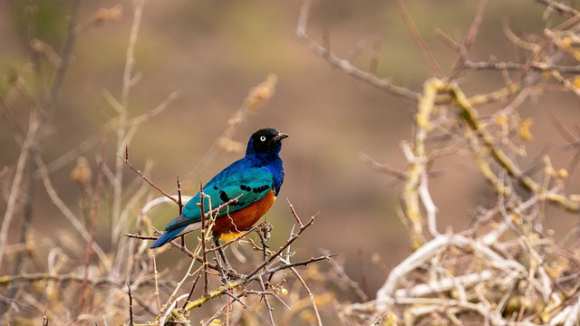
Tanzania’s eco-safaris make sure everyone who comes experiences a great holiday but is also very conservative. In eco-lodges, the activities run from adventure with sustainability to guided nature walks, bird-watching tours, and stargazing sessions. Activities like these will let tourists plunge into the natural wonders of Tanzania while acquiring knowledge about conservation.
Cultural Immersion and Respect
Over 120 ethnic groups inhabit Tanzania, each having its cultural heritage and tradition. The eco-safaris are usually combined with excursions through local villages and cultural centers where tourists get an opportunity to learn about traditional ways of life and buy a variety of authentic crafts and souvenirs.
Family Safaris Tanzania: Cultural experiences like these are quite enriching for families. Children have the opportunity to learn about various cultures and traditions firsthand. It is an educational opportunity beyond the textbooks for imbuing global awareness and cultural sensitivity.

Conclusion
Eco-safaris in Tanzania allows tourists to view beautiful natural scenery while at the same time being actively involved in the conservation and development of communities.
Sustainable practices are therefore at the core of responsible tourism in Tanzania, which remains an inspiration to other destinations looking to position ecotourism as the umbrella under which environmental protection and socio-economic growth can be driven.
Whether you are looking to plan luxury safaris in Tanzania or family safaris in Tanzania, opting for an eco-safari will ensure that your adventure creates not only a huge number of fond memories but also a positive effect on the environment and the local communities.
FAQs
What can you not wear on safari in Tanzania?
Avoid bright colors and white. Prefer only neutral tones. Avoid heavy perfumes and jewelry.
What are the challenges facing ecotourism in Tanzania?
Some of the significant challenges identified are the impacts of tourism, development with conservation, and community benefits.
How to keep the place safe without polluting and littering the area?
Participate in the conservation projects during your visit. Use eco-friendly products and properly dispose of trash.
How to make the journey feel safe for the animals as well?
Following the guide’s instructions, maintaining a safe distance from the wildlife, and never interfering with ongoing wild behavior.
Leave a Reply