


Air pollution is one of the most widespread environmental health threats on the planet. By 2024, only a handful of countries managed to meet the recommended safe air quality levels set by global health guidelines.
Everywhere else, concentrations of fine particulate matter exceeded thresholds considered safe for human health. The crisis shows no signs of slowing down, and billions of people continue to breathe polluted air every day.
Let’s talk more about the global scope of the problem, the role of particulate matter, the regions most affected, the driving factors behind the pollution, and the consequences for human health and life expectancy.
Scope of Air Pollution

Air pollution has become nearly universal. Only seven countries managed to record average air quality levels within the recommended safe limits in 2024. This means that more than 96 percent of the world’s nations faced annual pollution levels considered unsafe.
Some regions recorded particularly alarming figures. The highest annual average concentrations of fine particulate matter were observed in parts of Africa and South Asia, with levels exceeding 90 micrograms per cubic meter.
This is far above the globally recognized safety limit of 5 micrograms per cubic meter. Major urban centers in these regions consistently rank among the most polluted cities in the world.
Globally, more than 40,000 monitoring stations reported data, and the overwhelming conclusion was that polluted air is now the norm rather than the exception.
Even when conditions improve temporarily in certain places, global averages remain stubbornly high.
Fine Particulate Matter

The most widely used measurement for air quality is PM2.5, which refers to particulate matter with a diameter of less than 2.5 micrometers. These particles are only a fraction of the width of a human hair, yet they can penetrate deep into the lungs and even enter the bloodstream.
Scientific research shows that PM2.5 poses the greatest risk to human health compared to other air pollutants. Exposure is linked to premature deaths, cardiovascular disease, strokes, lung cancer, asthma, chronic bronchitis, and other respiratory illnesses.
Because of their small size, these particles evade the body’s natural defenses, lodging in tissues and organs where they cause inflammation and long-term damage.
In 2021, updated global guidelines set the annual safe threshold for PM2.5 at just 5 micrograms per cubic meter and the 24-hour exposure limit at 15 micrograms per cubic meter. These values reflect new evidence showing that even low concentrations are harmful. Yet most countries exceed these limits several times over.
Regions Most Affected

Air pollution is no longer concentrated in industrialized Western nations as it was in the 20th century. Today, the worst air quality is recorded in the Global South.
South Asia stands out as the region with the heaviest burden. Nations such as India, Bangladesh, Nepal, and Pakistan have annual PM2.5 levels that are among the highest in the world. Cities like New Delhi record yearly averages above 90 micrograms per cubic meter, making them some of the most polluted capitals.
Africa also faces increasingly severe air pollution, with countries in Sub-Saharan and central regions recording hazardous levels. Urbanization, industrial growth, and desert dust storms contribute to the problem. In many African nations, average concentrations surpass 80 micrograms per cubic meter.
Other regions, including parts of Southeast Asia and the Middle East, also struggle with heavy air pollution. By contrast, only isolated places such as certain island nations and sparsely populated territories maintain safe levels of air quality.
Causes of Air Pollution
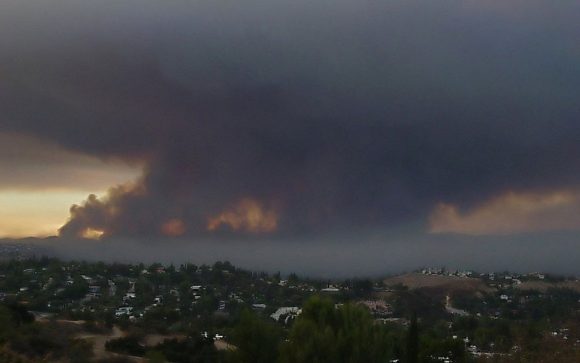
The sources of air pollution are diverse, but many share common roots in energy production, industrial activity, and daily household practices.
Fossil fuel combustion is one of the largest contributors. Coal-fired power plants, oil refineries, and vehicle emissions release vast amounts of particulate matter and other harmful gases. In rapidly developing countries, the reliance on coal and oil remains high because they are inexpensive and widely available.
Indoor pollution is another major factor. Millions of households continue to use solid fuels such as wood, charcoal, crop residues, and kerosene for cooking, heating, and lighting. Burning these materials fills homes with toxic smoke, exposing families, particularly women and children, to dangerous levels of fine particles.
Another contributor is agricultural burning. Many farmers burn crop stubble to clear land for new planting seasons. This practice releases smoke and particulate matter into the air, affecting not just rural areas but also drifting into major urban centers.
Dust storms, especially in arid regions, add to the concentration of particulate matter. As climate change intensifies droughts and land degradation, dust events are expected to become more frequent and severe.
Weak regulations also play a role. In many developing countries, vehicle emission standards are less strict, industrial controls are minimal, and enforcement is inconsistent. Combined with rapid population growth and urbanization, these conditions create a perfect storm for worsening air pollution.
Health Consequences

Air pollution is one of the leading causes of preventable illness and death worldwide. It is estimated to cause around seven million deaths every year. These deaths are linked to both outdoor and indoor air pollution and span conditions such as strokes, heart attacks, lung cancer, chronic respiratory diseases, and infections.
The impact is not evenly distributed. People in low- and middle-income countries face the highest risks because they are more exposed to high concentrations and have weaker healthcare systems to manage the resulting diseases. Respiratory and cardiovascular illnesses put enormous pressure on already stretched hospitals and clinics.
Life expectancy losses from air pollution are striking. Globally, the average person is estimated to lose 2.3 years of life due to polluted air. In South Asia, this figure is closer to five years. These are years lost not only to early death but also to years of living with chronic illnesses.
Children are particularly vulnerable. Early exposure to polluted air affects lung development, leading to lifelong health problems. Older adults also face heightened risks, with pollution worsening preexisting conditions. The cumulative effect is a population more burdened by disease, less productive, and more dependent on strained health systems.
The Global Divide

The stark divide between rich and poor nations is evident in air quality data. Wealthier countries, mostly in Europe and North America, have implemented strict air pollution regulations over decades, leading to significant improvements.
Cleaner technologies, higher fuel standards, and strong public health systems reduce the impact of pollution on their populations. In contrast, developing nations still rely heavily on outdated energy sources.
Limited resources prevent them from investing in cleaner technologies or enforcing pollution laws. Economic growth often takes precedence over environmental health, perpetuating the cycle of exposure and illness.
This divide is not just about health but also about justice. The regions suffering the worst air pollution often contribute the least to global emissions, yet they bear the heaviest burden.
Meanwhile, countries with cleaner air frequently have the means to protect themselves and leave vulnerable populations behind.
Sources:
Leave a Reply