

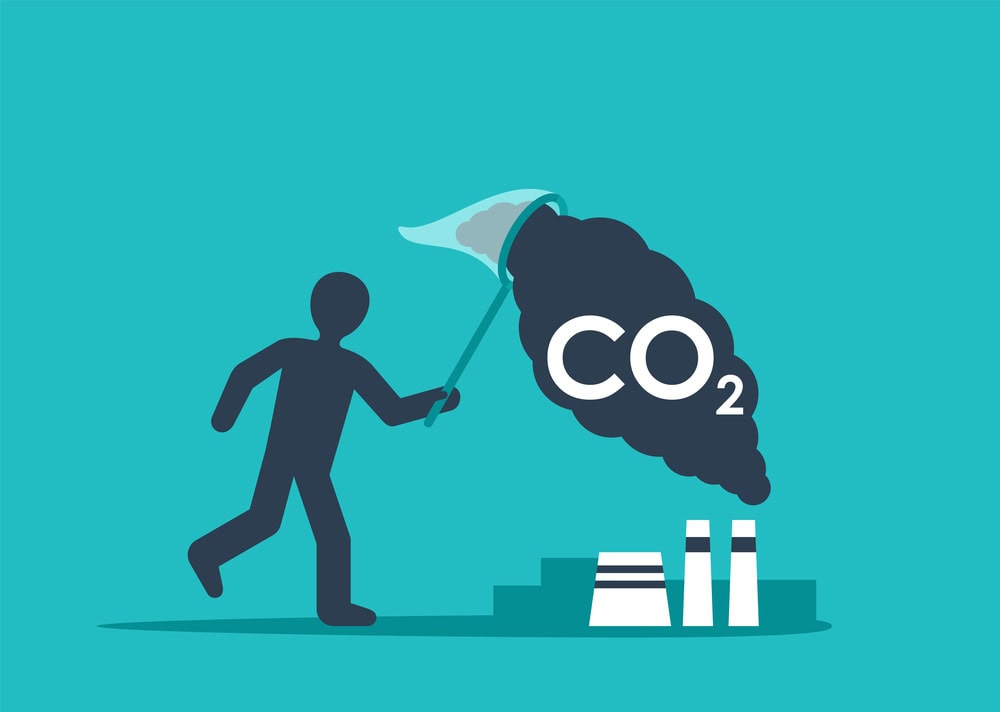
Businesses are increasingly recognizing the importance of reducing their corporate carbon footprint. As climate change becomes a more pressing issue, companies are seeking innovative and effective strategies to minimize their environmental impact.
Other than being crucial for the environment, carbon footprint management also benefits businesses by improving their reputation, reducing costs, and meeting the growing demands of eco-conscious consumers. From adopting renewable energy sources to implementing energy-efficient practices and a sustainable supply chain, there are numerous ways to make a positive change.
This article explores the best ways to reduce your corporate carbon footprint. It offers practical tips and insights to help your company lead the way in sustainability. Read on!
Conduct A Comprehensive Carbon Footprint Assessment

Nowadays, businesses can’t afford to ignore their environmental impact, as it’s crucial for sustainability and cost savings. The first step to achieve this is assessing and identifying your emissions sources.
Scrutinize energy usage, transport, manufacturing, waste, and suppliers. For instance, getting solar panels for commercial use, switching to LED lights, and optimizing delivery routes can make a huge difference.
Pinpoint the bigger culprits contributing to your carbon footprint. These high-emission areas should be your top priorities for implementing eco-friendly practices. Maybe it’s upgrading machinery for energy efficiency or sourcing recycled materials. Taking stock of your emissions illuminates opportunities to go green and potentially save money.
Transition To Renewable Energy Sources
Corporations are switching to renewable energy to slash carbon emissions for a greener planet. Installing solar panels or signing up with wind farms allows businesses to swap dirty fuels for clean, infinite power.
For instance, a leading manufacturing company can cover its assembly plants with solar arrays, generating most of its electricity sustainably. You could also invest in wind farms to reduce emissions. This move is eco-friendly and protects businesses from volatile fossil fuel prices while elevating their public image as environmental stewards.
Though installation costs are substantial upfront, government incentives and decades of future energy savings quickly offset the investment. Transitioning to renewables frees corporations from reliance on finite, expensive fossil fuels.
Overall, swapping polluting energy sources for solar, wind, and other green alternatives is an impactful way companies can responsibly shrink their carbon footprints. With costs declining and consumer demand for sustainability rising, adopting renewables is a wise long-term strategy.
Improve Energy Efficiency

Going green doesn’t have to cost a fortune. Making operations more energy efficient is a simple way to reduce emissions and save money. Swapping outdated lights, heating, and air conditioning units for modern energy-dipping models makes an immediate impact. Upgrading old equipment and properly insulating facilities blocks wasteful energy leaks. Also, investing in software that monitors and optimizes energy consumption patterns can provide further savings.
However, technology is just part of the solution. Encouraging smarter staff habits also sparks significant savings. Reminding staff to power down idling computers and turn off unneeded lights instils energy-saving discipline.
From low-cost building retrofits to awareness campaigns, boosting energy efficiency attacks emissions without massive capital outlays. These operational tweaks enhance environmental responsibility while slimming utility bills.
Optimize Transportation And Logistics
Another key strategy for reducing your carbon footprint is optimizing delivery routes by careful planning and combining shipments. This eliminates unnecessary fuel consumption and excess mileage. Companies are also transitioning vehicle fleets to hybrid or fully electric models, which leads to cuts in emissions.
Businesses are also empowering their teams to work remotely when possible. This arrangement avoids countless commutes that would otherwise increase their carbon footprint while also boosting productivity and job satisfaction. Additionally, they provide incentives to use public transit, carpool, or bicycle to work to reduce emissions from team members who commute.
These types of straightforward adjustments to transportation and logistics practices can shrink a corporation’s overall carbon footprint. By optimizing their shipping operations and staff commuting patterns, forward-thinking companies save money over time while promoting an environmentally responsible brand reputation.
Implement Sustainable Procurement Practices

Going green starts with wise purchasing, as the supplies and services a company buys leave a massive carbon footprint. As such, switching to eco-friendly vendors makes a huge difference. For office products, pick suppliers that use recycled materials and renewable energy in production. Thoroughly vet suppliers’ environmental practices when sourcing raw materials like metals or lumber.
Additionally, prioritizing local vendors cuts shipping emissions. For example, a clothing manufacturer sourcing its materials locally can significantly slash transportation emissions. They could further reduce their carbon footprint by favouring products with lower embodied emissions across their life cycle. Durable, energy-efficient equipment prevents future emissions from replacements and operations failure.
Generally, comprehensive sustainable procurement policies pay dividends. Companies gain eco-credibility while reducing their carbon footprint across their entire supply chain. Scrutinizing every purchased item optimizes the sustainability of operations. With consumers prioritizing environmental responsibility, buying green is a savvy long-term strategy.
Invest In Carbon Capture And Offsetting
While slashing emissions at the source is crucial, savvy corporations complement this with carbon capture and offsetting. Innovative technologies can pull emissions out of the air and sequester them underground or in concrete, preventing their release. A concrete producer, for example, can implement carbon capture, trapping emissions from their manufacturing process.
Carbon offset projects counteract the remaining emissions. Corporations fund projects like clean energy projects and reforestation that absorb and trap carbon dioxide. For instance, an airline investing in replanting forests can offset emissions they can’t eliminate yet.
Though not replacements for aggressive carbon reduction efforts, carbon offsets provide crucial final steps toward neutralizing a company’s climate impact. Corporations earn environmental praise by going beyond efficiency to remove and cancel out emissions comprehensively.
Measure, Report, And Improve Continuously

Reducing a company’s carbon footprint is an ongoing journey. Robust carbon footprint measures and reporting systems are also critical for making steady progress. Corporations should implement rigorous emissions-tracking mechanisms across all operations and supply chains. Conducting annual audits quantifies the current footprint and identifies hotspots needing attention.
Regular sustainability reports hold the company publicly accountable. Transparently sharing emissions data with stakeholders like investors and consumers builds credibility and trust. But the reporting process is more than just public relations—it provides a structured framework for setting realistic carbon reduction targets.
After reporting on the current state, it’s time to take the next step. Analyze data to pinpoint areas for improvement, whether optimizing logistics routes or upgrading office equipment for efficiency.
Continuously reevaluating, setting fresh goals, and implementing new mitigation strategies will help you make legitimate emissions reductions year over year. An iterative, data-driven approach accelerates the journey toward comprehensive carbon neutrality.
Conclusion
Reducing your corporate carbon footprint isn’t just a responsibility; it’s an opportunity to lead by example in the fight against climate change. By implementing these strategies, you can help mitigate the impacts of global warming while also realizing cost savings, increasing efficiency, and enhancing your brand reputation. Commit to continuous measurement, reporting, and improvement to ensure your sustainability efforts evolve and grow. With commitment, innovation, and a holistic approach, you can pave the way towards a more sustainable and resilient future.
Leave a Reply