


In recent years, solar panels have become an increasingly popular choice for homeowners looking to save money on energy bills and reduce their environmental impact. With advancements in technology, declining installation costs, and a growing array of incentives, solar energy has transformed from a niche investment into a mainstream solution.
If you’re considering making the switch to solar, this guide will walk you through the benefits, costs, and essential tips to ensure you get the most out of your investment.
The Financial Benefits of Solar Panels

One of the primary reasons homeowners invest in solar panels is to reduce their electricity bills. Solar panels harness the sun’s energy to generate electricity for your home, significantly lowering your dependence on the grid. Over time, these savings can add up to thousands of dollars.
For example, a typical household in the U.S. can save around $1,500 annually by switching to solar, depending on their location and energy consumption. In sunnier states like California or Arizona, the savings can be even greater. Additionally, many utility companies offer net metering programs, which allow you to sell excess energy your panels generate back to the grid, further offsetting your costs.
Understanding Installation Costs and Incentives

While the upfront cost of installing solar panels can be a deterrent for some, it’s important to consider the long-term savings and available incentives. The average cost of a solar panel system ranges between $15,000 and $25,000, depending on the size of the system and your location. However, federal, state and local incentives can significantly reduce this expense.
The federal solar tax credit, for instance, allows homeowners to deduct 30% of the cost of installing solar panels from their federal taxes. In addition to federal programs, many states offer rebates and grants to make solar more accessible. Some states even have property tax exemptions for homes with solar panels, ensuring your home’s increased value doesn’t mean higher taxes.
Solar financing options such as loans, leases, and power purchase agreements (PPAs) are available for those concerned about the upfront cost. These alternatives allow you to install solar panels with little to no initial investment while still benefiting from energy savings.
Reducing Your Carbon Footprint

Beyond financial savings, solar panels offer an opportunity to make a positive impact on the environment. Traditional electricity generation relies heavily on fossil fuels, which produce greenhouse gas emissions contributing to climate change. By transitioning to solar energy, you can drastically reduce your carbon footprint.
An average residential solar panel system offsets about 100,000 pounds of carbon dioxide over 20 years — the equivalent of planting 2,500 trees. For environmentally conscious homeowners, this tangible reduction in emissions makes solar energy an attractive choice.
Choosing the Right Solar Panel System

Not all solar panels are created equal, so it’s crucial to select a system that fits your home’s unique needs. Consider the following factors:
- Energy Needs: Start by analyzing your electricity usage. Your monthly utility bill provides a breakdown of your consumption, which can help determine the size of the solar panel system you’ll need.
- Roof Suitability: Evaluate your roof’s condition, orientation, and shading. South-facing roofs with minimal shading typically offer the best performance for solar panels. If your roof isn’t ideal, ground-mounted systems or community solar programs could be alternatives.
- Efficiency and Durability: Research the efficiency ratings of different solar panels. Higher efficiency panels may cost more upfront but can provide greater energy output over time. Additionally, ensure the panels come with a robust warranty — most reputable manufacturers offer 25-year warranties.
- Installer Reputation: Choose a trusted solar installer with a proven track record. Request multiple quotes, read reviews, and verify certifications to ensure quality installation and service.
Maximizing Your Return on Investment
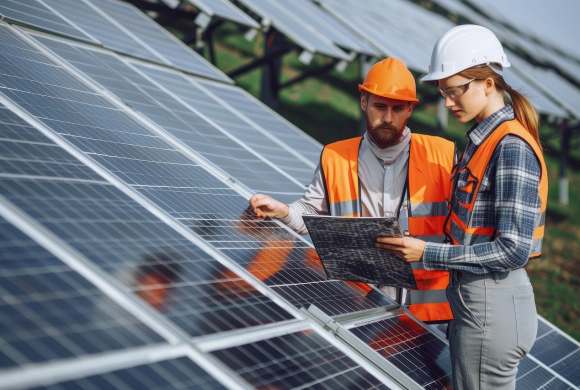
To make the most of your solar panel investment, consider the following tips:
- Monitor Performance: Invest in a monitoring system to track your panels’ energy production. This can help identify inefficiencies or maintenance needs.
- Pair with Energy Storage: Adding a battery storage system can store excess energy for use during cloudy days or nighttime, increasing your home’s energy independence.
- Take Advantage of Incentives: Stay updated on new rebates and programs in your area to reduce your costs further.
- Practice Energy Efficiency: Combine solar panels with energy-saving habits like upgrading to energy-efficient appliances or improving home insulation. This dual approach can amplify your savings.
The Future of Solar is Bright
Solar energy is more than just a financial investment — it’s a step toward a sustainable future. By installing solar panels, you’re not only reducing your reliance on non-renewable resources but also protecting yourself from rising energy costs. The shift to solar power reflects a growing recognition of the importance of clean energy in combating climate change and securing energy independence.
For homeowners, the benefits of going solar extend well beyond the immediate savings on utility bills. It’s an investment in your property, the environment, and the future. With careful planning and the right system, your home can become a beacon of sustainability while saving you money in the process.
Leave a Reply