


The candlenut tree, known scientifically as Aleurites moluccanus, is an interesting and versatile tree found throughout tropical regions. Known for its large, nut-like seeds that have been used as food. But not only that, candlenut can also actually act like candle as a source of light.
Therefore, to explore more interesting information about candlenut, let’s talk about it further.
Short Introduction to Candlenut

The candlenut tree, also called the kukui tree in Hawaii, is native to Southeast Asia and the Pacific Islands, particularly Indonesia, Malaysia, and Hawaii. It grows in tropical climates and can be found in forests, along riverbanks, and sometimes even cultivated in gardens and farms. This fast-growing tree can reach heights of up to 20 meters (65 feet) and has large, glossy green leaves shaped like hearts or lobes.
The tree gets its name from its seeds, or nuts, which were traditionally used as candles. Inside the hard shell of the candlenut is an oily kernel that can be easily lit on fire. In the past, people in various cultures would thread the nuts on sticks and light them one at a time. Each nut could burn for several minutes, providing a simple and effective source of light before modern lamps were available. This is how the candlenut earned its reputation as the “tree of light.”
The tree is not just valuable for its nuts. It also produces small, fragrant white flowers that attract pollinators, and its wood is sometimes used for carvings and construction. Though it’s primarily known for the oil inside the nuts, the candlenut tree has many uses in both traditional and modern societies.
Nutritional and Medicinal Uses of Candlenut
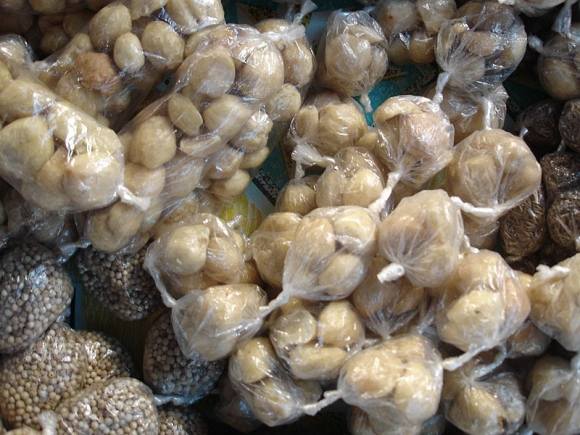
Though the candlenut is primarily known for its oil content, it also has several culinary and medicinal uses. In some parts of the world, the candlenut is used in cooking, especially after being roasted or processed to reduce its natural toxicity.
In Hawaiian cuisine, the candlenut is known as the kukui nut and is a key ingredient in traditional dishes like pipi kaula (Hawaiian beef jerky) and poke (a raw fish salad). The nuts are ground into a paste and used as a seasoning to add a rich, nutty flavor to foods.
However, raw candlenuts are mildly toxic due to compounds like saponins and phorbols. Eating them without proper preparation can cause stomach upset, so they are typically roasted or cooked before consumption to neutralize the toxins. Despite this, they are a popular ingredient in traditional recipes across Southeast Asia and the Pacific Islands.
In traditional medicine, candlenuts have been used to treat a variety of ailments. The oil extracted from the nuts has long been used as a skin treatment to heal wounds, moisturize dry skin, and reduce inflammation. In Hawaiian culture, kukui oil is applied to soothe sunburns or rashes. In Southeast Asia, the nuts are sometimes used as a laxative or to promote digestive health, though great care must be taken to avoid overconsumption due to their toxicity in raw form.
The candlenut’s rich, nutrient-dense oil is also packed with omega-3 fatty acids and antioxidants, making it a beneficial addition to skincare and wellness products.
Candlenut in Industry and Culture

The oil from candlenuts, known as kukui oil, is highly valued not just for its medicinal properties but also for its industrial uses. In addition to being used in soaps, lotions, and cosmetics, candlenut oil is also used in the production of varnishes and paints. The oil’s quick-drying properties make it an excellent base for these products, and its natural composition appeals to environmentally conscious consumers looking for sustainable alternatives to synthetic chemicals.
In Hawaii, the candlenut tree holds deep cultural significance. It is the state tree of Hawaii, and the kukui nut plays an important role in Hawaiian traditions. The nuts are often strung together to create leis, which are given as gifts or worn during special occasions. In traditional Hawaiian society, kukui oil was also used to make tattoos, ink, and for lighting torches. Even today, it is seen as a symbol of enlightenment, protection, and peace.
Beyond Hawaii, the candlenut is important in Southeast Asia as well. In Indonesia, it is called kemiri and is a key ingredient in spice pastes and sauces, especially in Javanese cuisine. The tree is also used for arts and crafts in some regions, where the hard shells of the nuts are carved into ornaments or jewelry.
In many cultures, the candlenut tree is seen as a symbol of sustainability and versatility due to its many uses in everyday life. Whether in the kitchen, medicine cabinet, or art studio, the candlenut remains a valuable and cherished resource.
Are They Useful for the Environment Too?

Yes. The candlenut tree also plays an important role in the environment. Its deep root system helps improve soil quality and prevent erosion, particularly in tropical areas prone to heavy rainfall. The tree thrives in poor soils, where other plants might struggle, and its presence can help stabilize the land and enrich the soil with organic matter.
Candlenuts are also important for local wildlife. The tree’s flowers attract a variety of insects, including bees and butterflies, which help pollinate the surrounding area. The nuts, when fallen to the ground, may provide food for certain animals like birds and small mammals, contributing to the biodiversity of the region.
Sustainability is key in the cultivation of candlenuts, as the demand for kukui oil and other products grows. The tree can be grown and harvested with relatively low environmental impact. Because the nuts are harvested without cutting down the tree, it allows for continuous production over many years. Sustainable farming practices also ensure that the local ecosystems are not disrupted, allowing for a harmonious balance between human use and nature.
However, deforestation and habitat loss in some parts of Southeast Asia pose a threat to natural candlenut populations. Conservation efforts focus on promoting sustainable farming and protecting the native forests where these trees grow. In regions like Hawaii, where the tree is deeply integrated into the culture, local laws protect its natural habitat.
By supporting products made from sustainably sourced candlenuts, consumers can help protect both the environment and the traditions that rely on this remarkable tree.
Sources:
https://www.cabidigitallibrary.org/
Leave a Reply