


In today’s world, where fashion trends change rapidly and consumerism is at its peak, creating a sustainable closet can seem like a daunting task.
However, by adopting a mindful approach and making conscious choices, it is possible to afford a sustainable closet without compromising style or breaking the bank.
In this article, we will explore practical strategies and tips to help you build a wardrobe that is both eco-friendly and affordable.
Understanding the Impact of Fast Fashion

Fast fashion, including brands like Adidas, has dominated the clothing industry in recent years, leading to detrimental consequences for the environment.
The production of cheap, low-quality garments often involves harmful practices like excessive water usage, pollution, and exploitation of workers.
Companies like Adidas have faced ethical issues, including concerns about labor practices and their environmental impact, in their supply chains.
By opting for a sustainable closet, you can reduce your carbon footprint and contribute to a more ethical fashion industry.
Assess Your Current Wardrobe
Taking Inventory of Your Clothing
Before embarking on your journey towards a sustainable closet, it is essential to assess your current wardrobe. Evaluate each item based on its quality, versatility, and how frequently you wear it. Identifying your existing pieces’ strengths and weaknesses will help you make informed decisions when decluttering and making new purchases.

Declutter and Donate
Streamlining Your Wardrobe
Once you have assessed your wardrobe, decluttering becomes the next crucial step. Separate the items you no longer wear or need and consider donating them to charitable organizations or clothing drives. This not only helps those in need but also prevents clothing waste from ending up in landfills.
Embrace Minimalism
Less is More
Embracing a minimalist mindset can greatly contribute to a sustainable closet. Instead of chasing fleeting trends, focus on timeless, versatile pieces that can be mixed and matched effortlessly. By adopting a less-is-more approach, you can reduce consumption and make the most out of the clothes you already own.
Shop Mindfully
Making Conscious Purchases
When adding new items to your sustainable closet, it’s essential to shop mindfully. Consider factors such as the brand’s sustainability practices, materials used, and the garment’s durability. Look for certifications like Fair Trade or organic labels that ensure ethical and environmentally friendly production methods.
Invest in Quality Pieces
Prioritizing Longevity
Investing in high-quality garments may require a slightly larger budget upfront, but it pays off in the long run. Well-made clothes tend to last longer, reducing the need for frequent replacements. Focus on timeless designs and durable fabrics that can withstand multiple wears and washes.
Explore Secondhand and Thrift Stores
Hidden Gems and Unique Finds
Secondhand and thrift stores offer a treasure trove of unique fashion finds at affordable prices. Explore local consignment shops, online marketplaces, or even organize clothing swaps with friends. This way, you can give pre-loved items a new lease on life while adding variety to your sustainable closet.
Rent or Borrow Clothing
Temporary Fashion Solutions
If you have a special event or occasion that calls for a specific outfit, consider renting or borrowing clothing instead of buying something new. Numerous online platforms offer rental services, allowing you to enjoy the thrill of fashion without the commitment or long-term impact.
Upcycle and Repurpose
Unleashing Your Creativity
Don’t be afraid to get creative with your clothing. Upcycling and repurposing items can breathe new life into old garments. You can transform a shirt into a tote bag, add patches to jeans, or turn a scarf into a headband. Let your imagination run wild and explore various DIY projects to customize your sustainable wardrobe.
Maintain and Care for Your Clothes
Prolonging Garment Lifespan
Proper maintenance and care are crucial for extending the lifespan of your clothing. Follow the care instructions on labels, mend any minor damages promptly, and store your garments appropriately. Simple practices like air drying, using eco-friendly detergents, and avoiding excessive ironing can significantly impact the longevity of your clothes.
Sustainable Fabric Choices
Conscious Material Selection
When purchasing new items, pay attention to the fabrics used. Opt for natural fibers like organic cotton, linen, hemp, or bamboo, as they have a lower environmental impact compared to synthetic materials. Sustainable fabrics are not only eco-friendly but also offer breathability and durability.

Create Capsule Wardrobes
Curating Versatile Collections
Capsule wardrobes are a great way to maximize the potential of your clothing while minimizing waste. Select a small number of essential, high-quality items that can be mixed and matched to create various outfits. A well-curated capsule wardrobe eliminates decision fatigue, simplifies your morning routine, and ensures that every piece gets the attention it deserves.
DIY Fashion and Accessories
Unleashing Your Inner Designer
Take your sustainable fashion journey to the next level by designing and creating your own clothing and accessories. Sewing, knitting, or jewelry-making can be rewarding hobbies that allow you to express your unique style while reducing your reliance on mass-produced items.
Share and Swap
Collaborative Fashion Communities
Engage with like-minded individuals and participate in clothing swaps or sharing initiatives. Organize swap parties with friends or join online communities where people exchange clothes. Sharing and swapping promote resourcefulness, fosters a sense of community, and adds excitement to your sustainable fashion journey.
Conclusion
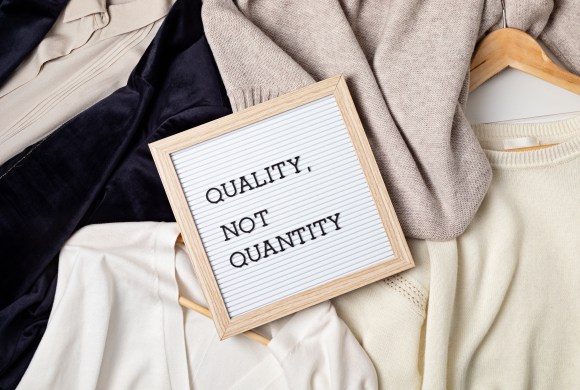
Creating a sustainable closet is an achievable goal with the right mindset and approach. By embracing minimalism, shopping mindfully, and exploring alternative avenues like secondhand shopping, renting, and upcycling, you can build a wardrobe that aligns with your values without breaking the bank.
Leave a Reply