

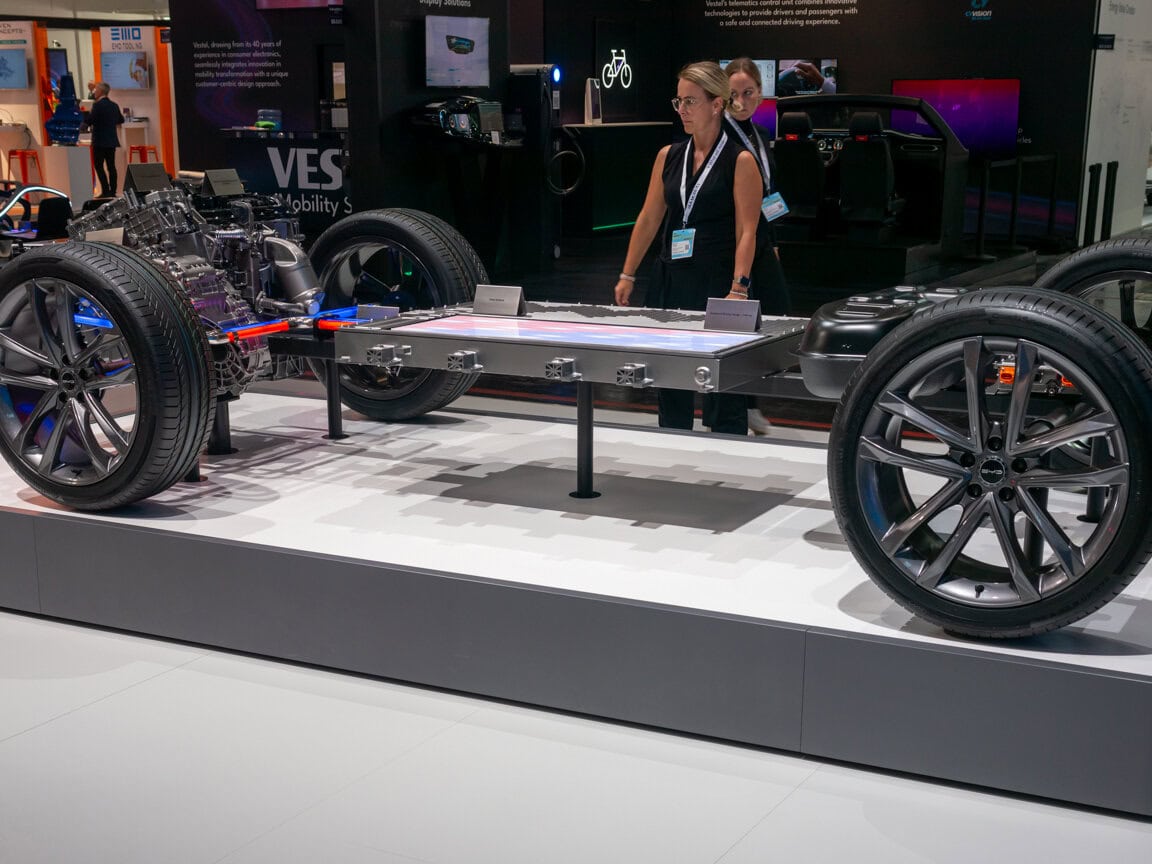
As the world transitions to electric vehicles (EVs) and renewable energy, the demand for high-performance batteries is increasing rapidly. However, lithium-ion battery, the dominant technology in the market, present serious environmental and economic challenges.
Given these issues, battery researchers and companies are looking for alternative technologies that are more sustainable, cost-effective, and widely available. So, what are we actually talking about? Here is the explanation.
The Problem

Lithium-ion battery has many problems. One is that they are difficult to recycle, require vast amounts of water and energy to extract, and rely on finite resources that are becoming more expensive. The global lithium battery market is projected to grow from $57 billion in 2023 to $187 billion by 2032.
While lithium-ion batteries offer high energy density and efficiency, their production has significant drawbacks. Extracting one ton of lithium requires 682 times more water than extracting the same amount of sodium.
Lithium extraction using evaporation ponds, common in Chile, depletes local water supplies and contaminates the environment. Hard rock mining, primarily done in Australia, releases around 15 tons of CO2 for every ton of lithium mined.
Recycling lithium-ion batteries is another challenge. Recovering individual metals requires energy-intensive processes, and only a small fraction of lithium batteries are successfully recycled.
A Cheaper, Greener Alternative
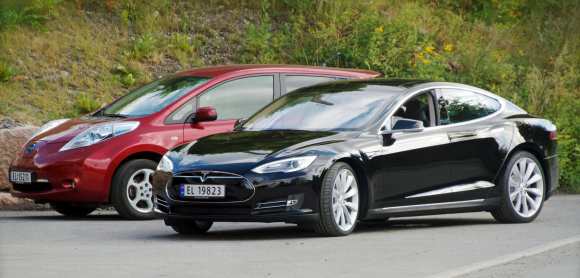
One of the most promising alternatives to lithium-ion batteries is sodium-ion technology, which replaces lithium with sodium, a far more abundant and less resource-intensive element. Sodium-ion batteries are gaining traction due to their lower environmental impact and production costs.
James Quinn, CEO of UK-based battery firm Faradion, shows the benefits of sodium-ion batteries. He explains that sodium is widely available, making it cheaper to source, and requires significantly less water to extract. Sodium-ion batteries also eliminate the need for scarce materials like cobalt, nickel, and copper, which are associated with ethical and environmental concerns.
Sodium-ion batteries have an added safety advantage. Unlike lithium-ion batteries, they can be fully discharged to zero volts before transportation, reducing the risk of fire. This makes them a safer option for large-scale energy storage.
Despite their benefits, sodium-ion batteries have some limitations. Their energy density ranges from 140-160 Wh/kg, compared to lithium-ion’s 150-220 Wh/kg, meaning they store less energy per unit of weight.
They also have a shorter lifespan, typically lasting for 5,000 charging cycles, whereas lithium-iron phosphate (LFP) batteries can last 8,000-10,000 cycles. However, researchers in China recently developed sodium-ion batteries that can achieve 6,000 cycles, showing promising advancements.
China’s HiNa Battery Technology launched a 100 kWh energy storage power station in 2019, demonstrating sodium-ion’s potential for large-scale energy storage. EV manufacturers are also experimenting with sodium-ion batteries, but due to their lower energy density, they are more suitable for short-range vehicles or stationary energy storage.
Solid-State Battery
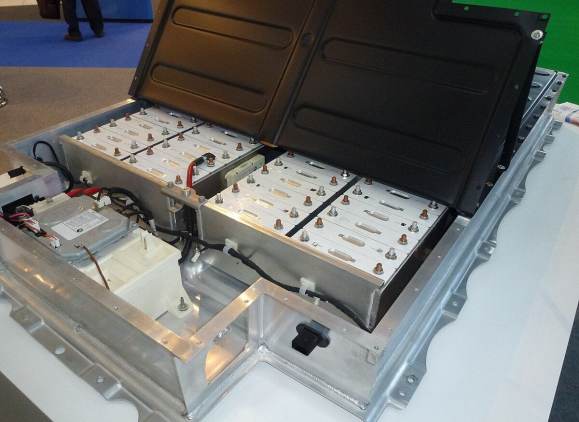
Solid-state batteries are another promising alternative, replacing the liquid electrolytes used in traditional lithium-ion batteries with solid materials such as oxides, sulfides, or solid polymers. This change reduces the risk of dendrite formation, which can cause battery failure and fire hazards.
Solid-state batteries offer several advantages. They have a higher energy density than lithium-ion batteries, with companies like Colorado-based Solid Power claiming their sulfide electrolyte-based batteries provide 50-100% more energy density.
These batteries also charge faster than traditional lithium-ion batteries, making them ideal for EVs and portable electronics. Additionally, solid-state batteries are far less flammable, reducing the risk of battery explosions.
However, solid-state batteries face several challenges. They are currently more expensive to produce than lithium-ion batteries, and finding a durable solid electrolyte has been a major hurdle in commercial development. The lack of scalable manufacturing processes has also slowed their widespread adoption.
Wearable electronics and IoT devices already use thin-film solid-state batteries, but large-scale energy storage applications remain limited. Companies like Solid Power aim to scale up production for EVs, with a target of 800,000 vehicles per year by 2028.
If mass production challenges are overcome, solid-state batteries could revolutionize EV technology by offering higher capacity and faster charging.
Lithium-Sulfur Battery
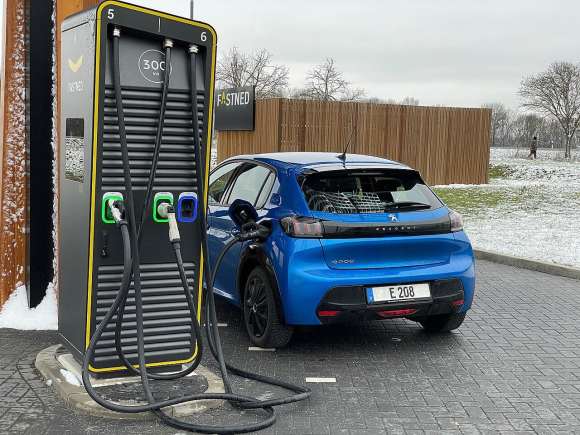
Lithium-sulfur batteries present another alternative. Unlike lithium-ion batteries, which use nickel, cobalt, or manganese, lithium-sulfur (Li-S) batteries use sulfur in the cathode. Sulfur is more abundant and easier to extract, making Li-S batteries a potentially more sustainable option.
Lithium-sulfur batteries offer a higher energy density than lithium-ion batteries, allowing them to store more energy per unit weight. Sulfur-based cathodes also eliminate the need for rare and expensive metals, reducing the environmental and ethical concerns associated with traditional lithium-ion batteries.
Additionally, these batteries can be manufactured in existing lithium battery factories, lowering the cost of transitioning to new battery technology.
However, lithium-sulfur batteries face significant technical challenges. They currently suffer from rapid degradation, with prototypes lasting only 50 charge cycles before losing efficiency. The formation of dendrites, similar to those in lithium-ion batteries, can also cause short circuits and battery failure.
Despite these issues, lithium-sulfur batteries are already being used in specialized applications. In 2020, LG Energy Solutions successfully tested a Li-S battery-powered drone and confirmed that the battery had stable charge and discharge cycles.
The company plans to mass-produce lithium-sulfur batteries with double the energy intensity of lithium-ion batteries by 2027. Meanwhile, the German battery startup Theion is developing Li-S batteries for electric vehicles and grid storage.
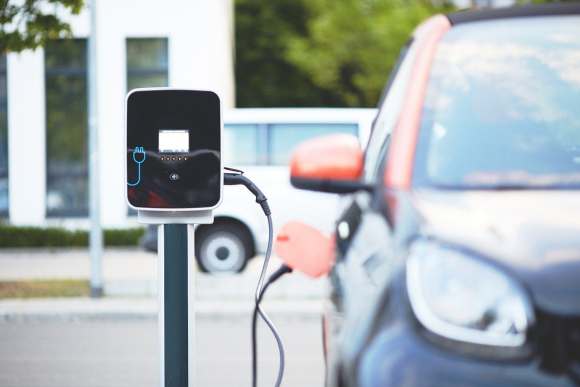
It is unlikely that one battery type will completely replace lithium-ion batteries. Instead, experts predict a diversified battery market where different technologies serve different applications. Sodium-ion batteries may dominate grid storage and short-range EVs.
Solid-state batteries could provide higher-density, safer power for EVs and electronics. Lithium-sulfur batteries may offer high-capacity storage solutions once lifespan issues are addressed.
As Maria Forsyth from Deakin University explains, we don’t need to replace lithium in all batteries. What’s needed is a diversification of battery technology, where different batteries are deployed where they make the most sense.
The next decade will determine which of these emerging technologies takes the lead in powering the world’s clean energy transition. With ongoing research and investment, the future of batteries may soon look very different from today’s reliance on lithium.
Sources:
Leave a Reply