

Looking for a greener way to handle diapers? Disposable diapers pile up in landfills by the billions each year, creating a massive waste problem.
Compostable diapers and take-back programs have emerged as a potential solution, aiming to reduce this environmental burden.
While these programs are a step toward sustainability, some questions remain about their overall impact, long-term practicality, and ability to shift consumer habits.
Hidden Costs of Compostable Diapers

Some companies provide diapers made from sustainable materials like bamboo, which grows quickly and avoids harmful chemicals such as chlorine or latex.
Through take-back programs, parents can send used diapers to specialized composting facilities to keep them out of landfills and turn them into compost. This sounds promising, as it uses plant-based materials that can break down naturally.
However, transporting heavy, wet diapers to distant facilities requires significant fuel, which leads to carbon emissions.
Even if companies use existing delivery routes or offset emissions, the process involves producing, using, packing, and shipping single-use diapers over long distances. This consumes energy and does not completely solve the waste issue.
For instance, a family might send dozens of diapers to a facility far away, which adds to pollution before composting starts.
Another challenge is that these programs do not shift the habit of relying on disposable diapers. They prioritize making diapers compostable rather than reusable, so parents continue discarding them with a “green” label.
Sustainable practices focus on reducing waste at its source, not just managing it differently. Although compostable diapers are an improvement, their dependence on shipping and single-use habits limits their environmental benefits.
Why It’s Not the Complete Answer
Bamboo or other plant-based materials in diapers are preferable to petroleum-based plastics or tree pulp, which damage forests and deplete resources. Experts highlight that extracting new, non-renewable materials often causes the most environmental harm.
Compostable diapers reduce this impact by using renewable resources, but they remain single-use products that generate waste with each change.
The scale of the issue is overwhelming. In the U.S., approximately 3.6 million tons of diapers go to landfills each year. Composting even a small portion would mean shipping enormous volumes, which is both expensive and logistically complex.
Most cities lack local diaper composting facilities, so these programs are often only accessible to families who can afford additional fees. For example, subscribing to a composting service might cost more than standard diapers, limiting its reach.
A larger concern is that these programs can create a misleading sense of progress. Parents might feel they are benefiting the environment by composting diapers, yet they continue purchasing and discarding single-use products.
This can slow the adoption of more effective solutions, such as reusable diapers, that eliminate waste entirely. While compostable diapers are a thoughtful effort, they do not fully address the core problem of overconsumption.
Greener Alternatives to Compostable Diapers

Fortunately, there are simpler and more sustainable ways to manage diaper waste. Cloth diapers stand out as an excellent choice. They can be washed and reused hundreds of times, saving money and reducing landfill waste.
Modern cloth diapers are easy to use, featuring snap-on covers and absorbent inserts for straightforward cleaning. Washing them in cold water and air-drying on a clothesline further minimizes their environmental impact.
For example, one set of cloth diapers can serve multiple children, significantly cutting costs and waste.
Cloth diapers manage waste at home. Parents wash and reuse them without the need for shipping or external processing, unlike compostable diaper programs that rely on intricate logistics.
This simplicity makes cloth diapering a practical and eco-friendly option for families aiming to lower their environmental footprint.
Another method is early potty training, known as elimination communication. Parents observe their baby’s signals to reduce diaper use by helping them use the bathroom earlier.
While not suitable for everyone, this approach can significantly decrease waste. For instance, a family might use only a few diapers daily by practicing this technique, reducing their environmental impact.
For those still drawn to compostable diapers, local composting is a more promising option. Wet-only diapers can sometimes be composted in a backyard system, though diapers with feces require specialized facilities due to health regulations.
Some cities are exploring programs to collect diapers with other organic waste, but these need safe, local infrastructure. Local composting avoids long-distance shipping, keeping the process community-focused and less energy-intensive.
Challenges of Shipping Waste
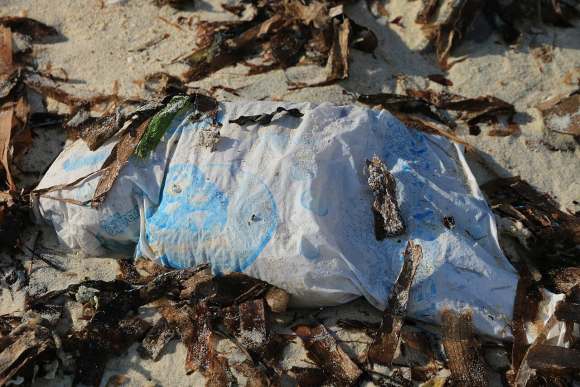
Shipping diapers to composting facilities underscores a broader issue: moving waste instead of reducing it. Transporting diapers across the country consumes fuel and creates pollution, much like shipping plastic waste overseas for recycling.
Many regions have recognized that transporting trash long distances is not sustainable; handling waste locally or preventing it entirely is far better.
Some programs suggest that wet-only diapers can be composted at home, but this is impractical for most households. Diapers with feces must be sent to industrial facilities to comply with health standards, which necessitates shipping.
This process is costly, energy-intensive, and depends on families continuing to purchase disposable diapers. For example, a family might believe they are eco-friendly by composting diapers, yet they are still generating waste through single-use products.
Such systems allow people to maintain convenient habits without tackling the root issue of waste. Rather than promoting reusable options or reduced consumption, they provide a paid service that feels sustainable but does not fully resolve the problem.
Sustainable parenting focuses on creating less waste from the outset, not redirecting it elsewhere.
So, What Now?
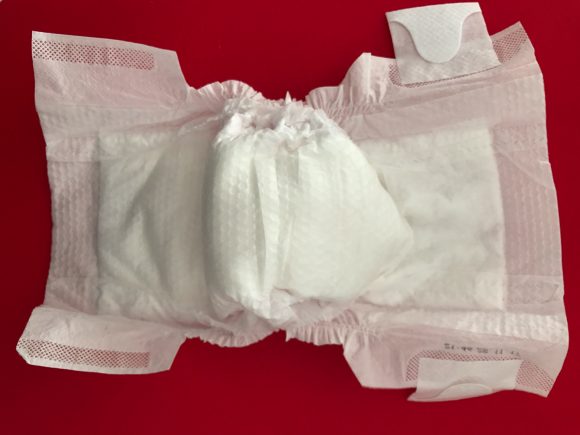
Compostable diapers offer a hopeful step toward eco-friendly parenting, but they face significant hurdles. Shipping heavy diapers long distances consumes energy and adds pollution, and their single-use nature does not break the cycle of waste.
These programs are expensive, difficult to scale, and only serve a limited group of families. Options like cloth diapers, early potty training, or local composting are simpler, more affordable, and more sustainable, keeping waste out of landfills without complex systems.
Choosing reusable or local solutions allows you to make a greater environmental impact while keeping parenting practical. True sustainability starts with reducing waste at home, paving the way for greener habits.
Source:
Leave a Reply