

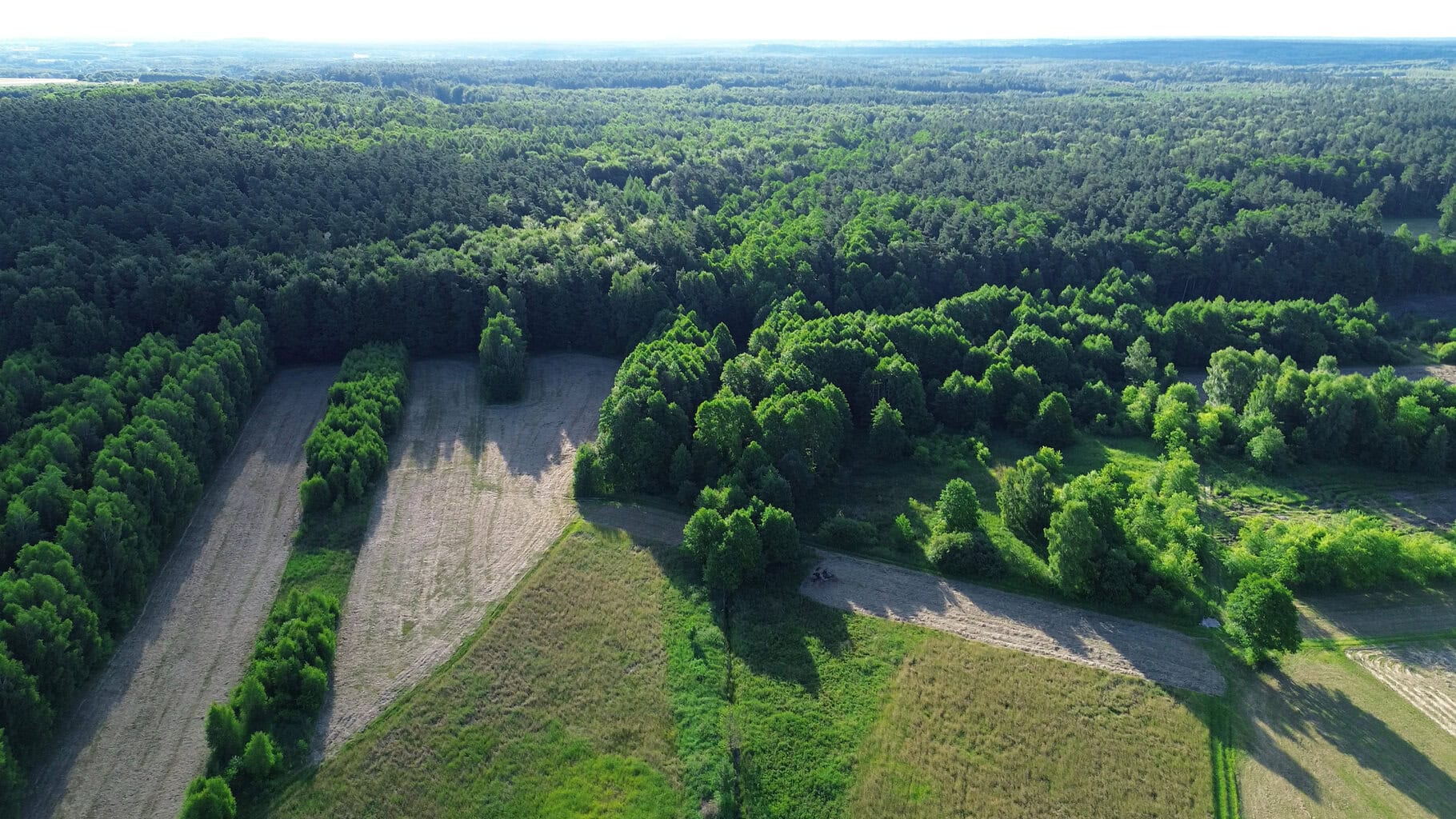
As the world faces unprecedented landscape changes and biodiversity loss, the rewilding movement is empowering private landowners to take accountability by stitching fragmented environments back together one backyard at a time. Even a small property can serve as a bridge for nature, creating a powerful legacy of conservation that unlocks a healthier, more resilient environment for the future.
Why Your Land Matters for a Wilder World
Throughout the last century, residential lawns have become deeply ingrained in U.S. culture, symbolizing the “American Dream,” status and neighborhood life. According to Lawnstarter, there are 40 to 50 million acres of perfectly manicured, residential lawns nationwide. Unfortunately, this artificial landscape carves into natural habitats, creating small, solitary islands.
A study shows that 34% of the world’s protected areas are experiencing habitat fragmentation, which threatens biodiversity. Overall, 10 global hot spots, including Southern American tropical forests, are facing catastrophic outcomes for endangered species due to this phenomenon.
Landowners around the world aren’t taking this lightly, and neither should you. By rewilding your property and transforming it into a wildlife corridor, you can help undo fragmentation and rebuild for greater ecological resilience.

How to Weave a Wilder World on Your Property
It’s a noble decision to embrace the wilder side of your property, especially since doing so comes with an abundance of environmental benefits. However, you must be strategic in planning and executing to ensure it’s done correctly.
Start with Native Plants
One of the most effective ways to create a wildlife corridor is to plant native flora. These species have adapted to your region’s climate and soils for centuries and have developed evolved biological relationships with different animals, fungi and microbial communities.
Local insects, birds, amphibians and other critters depend on native plants for food and shelter. Whereas nonnative plants might enhance your property’s appearance — especially if you want to incorporate tropical or uniquely colorful species — it can turn it into a food desert for the surrounding fauna.
Provide Food, Water and Shelter
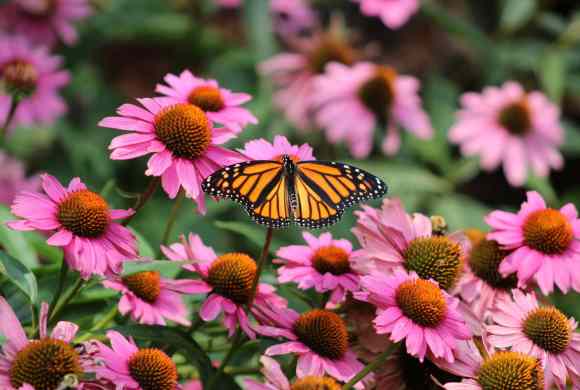
You can make your property more inviting for wildlife by adding food, water and shelter. The native plants will provide nectar, pollen and seeds, which you can supplement by leaving seed heads on flowers throughout the winter months.
Integrating a small pond, leaving a dish of water on the ground or adding a shallow bird bath can also significantly increase animal activity. In one study from the United Kingdom, researchers found that 70% of gardeners supply at least one water source, attracting an impressive 27 species.
Wildlife also requires shelter, which you can deliver by leaving things somewhat messy. Even a pile of fallen branches, uncut grass or a layer of leaves provides the coverage small critters need to protect themselves from predators and the weather.
Plan for a Lasting Legacy
Your rewilding efforts create a valuable haven for biodiversity. The best way to ensure it endures for generations is through legacy planning. With a long-term plan, you can safeguard your land’s conservation value well into the future.
A life estate is an excellent legal option that allows you to transfer your property to a designated beneficiary without giving up ownership throughout your lifetime. You’ll co-own the land with the chosen individual, nurturing the habitat you’ve created until it gets passed down to the next generation after your death.
Proof of Progress from Rewilding Projects
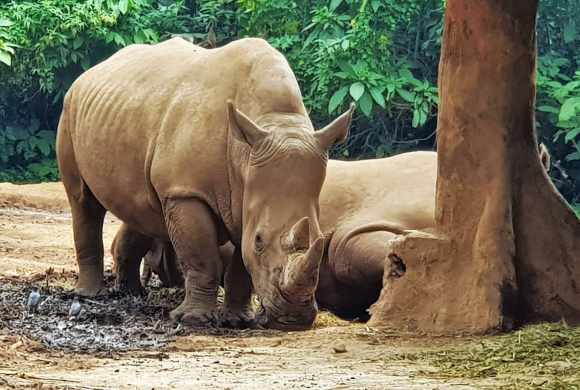
The fight to conserve wildlife seems overwhelming when you think about the scale of biodiversity loss. However, even widespread corridors are a patchwork of much smaller, privately owned lands. For example, the inspiring efforts in Indonesia, where local communities cleared 100 hectares of invasive plants to expand rhino habitat, would have been impossible without the available land.
Elsewhere, landowners have proven that their efforts to rewild private property into extensive woodlands have been highly successful.
Heathpatch Farm in Suffolk, England
The Buckle family owns 1,700-hectare Heathpatch Farm in Suffolk, England, and has spent years restoring the landscape to natural woodlands and hedgerows. Using government grants, the Buckles reconnected fragmented habitats by adding another 25 hectares of newly planted woodland and creating seven new ponds over the last four years. Overall, there are over 50 restored ponds on the property.
Native Prairie Bison Farm in Iowa
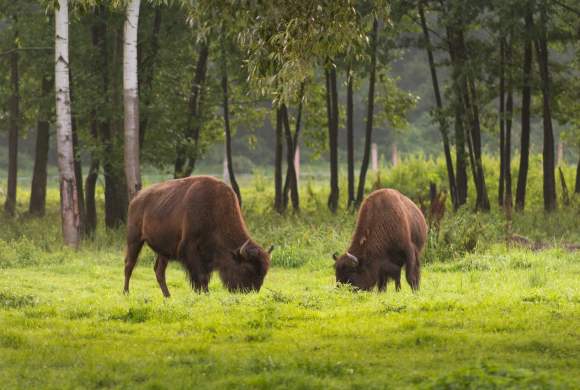
New Prairie Bison Farm in Iowa is another excellent example of a successful rewilding project. The property — owned by Jathan Chicoine and his wife Rachael Ruble — spans 180 acres and contains restored native grasslands, an oxbow wetland area and a massive kale garden.
Chicoine and his wife raise 100% grass-fed bison and have worked tirelessly to restore the land in accordance with Iowa’s natural ecosystems.
Joining the Movement for a Healthier Planet
Planting native flora or allowing a corner of your property to grow wild might seem like simple acts, but they have a tremendous impact on the growing rewilding movement. You can be a part of real change by helping to heal fragmented landscapes, supporting local biodiversity and contributing to a cleaner, more resilient world.
About the Author

Writers Bio: Jane Marsh is an environmental journalist and Editor-in-Chief of Environment.co, where she covers climate policy, renewable energy, and sustainable living. With over four years of editorial experience, her work has been featured on Renewable Energy Magazine, Biofriendly Planet, and Earth.org. Jane specializes in making complex environmental topics accessible and actionable for everyday readers.
Leave a Reply