

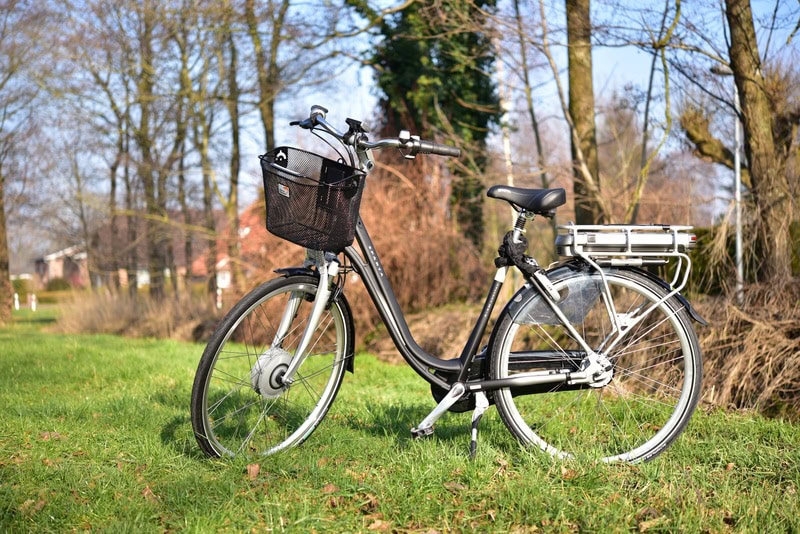
E-bikes, or electric bicycles, are gaining popularity worldwide as an eco-friendly, practical, and enjoyable mode of transportation. A recent study by Deloitte sheds light on their increasing adoption in Germany, a country often at the forefront of green innovation.
While German cities differ significantly from North American urban landscapes, many findings from the study reveal trends that could influence transportation choices globally. Not only in German or North America, but we can literally see the rise of this electric vehicle in every corner of this planet.
Well, as things get interesting, let’s get into the advantages of e-bikes, their current use, and what the future holds for this transformative technology.
E-Bikes Take the Lead in E-Mobility
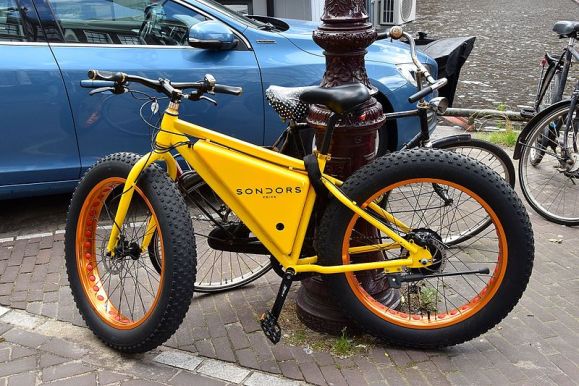
The Deloitte study highlights an impressive statistic: 18% of respondents in Germany use e-bikes, compared to 7% who use e-cars. This positions e-bikes as the most commonly used mode of electric transportation in the country.
What Makes E-Bikes So Attractive?
E-bikes stand out for their versatility and enjoyment factor. Unlike regular bicycles, they reduce physical exertion, making longer trips and challenging terrains more accessible. Key advantages include:
Fun and Fitness: 37% of users cited the fun factor, while 22% noted their value as sports equipment. E-bikes strike a balance between convenience and physical activity by assisting rather than replacing effort.
Recreational Use: 67% of users employ e-bikes for leisure tours and excursions, while 40% use them for sports, emphasizing their multifaceted appeal.
Extended Range: With a median trip length of 15 kilometers (9.3 miles), e-bikes offer a practical solution for medium-length journeys, surpassing the average range of traditional bicycles.
Challenges for Commuting
Despite their benefits, e-bikes are underutilized for commuting compared to e-cars. The main obstacles include insufficient infrastructure, such as bike lanes, and weather-related concerns. Nevertheless, the potential for e-bikes in urban mobility remains significant, provided these issues are addressed.
E-Bikes vs. E-Cars
While e-cars boast greater capacity for transporting larger items, e-bikes offer distinct advantages that align with evolving consumer demands for sustainability and efficiency. It is indeed smaller, but what do we need from a huge e-cars if we only travel short?
Errands and Everyday Use
E-Bikes: Just over half of e-bike users reported using them for errands. The introduction of cargo e-bikes and trailers is closing the gap, enabling users to transport larger loads such as grocery bags or even beverage crates.
E-Cars: These are currently more favored for errands, with 68% of users relying on them due to their storage capacity.
Environmental Benefits
E-bikes are inherently greener than e-cars. Their compact size and reduced resource requirements for manufacturing and operation result in a smaller carbon footprint. Furthermore, they generate fewer emissions during use, especially in cities with renewable energy sources.
The E-Bike Revolution in North America
E-bikes are less prevalent in North America compared to Europe, but there are encouraging signs of growth. Several factors point to their suitability for American cities:
Trip Lengths and Feasibility
According to the U.S. Office of Energy Efficiency, 59.4% of vehicle trips in America are less than six miles, with three-fourths of all trips under ten miles. These statistics align well with the median trip length of e-bikes, making them a viable alternative to cars for short commutes and errands.
Overcoming Barriers
Common objections to e-bikes in North America—such as infrastructure limitations and hot weather—are being addressed:
Infrastructure Improvements: Cities like Dallas, historically unfriendly to cyclists, are investing in bike lanes, with plans for 1,100 miles of bike infrastructure.
Hot Weather Advantage: E-bikes reduce the effort required to cycle, allowing riders to enjoy a breeze while pedaling, making them an excellent option for warm climates.
Key Factors for E-Bike Growth
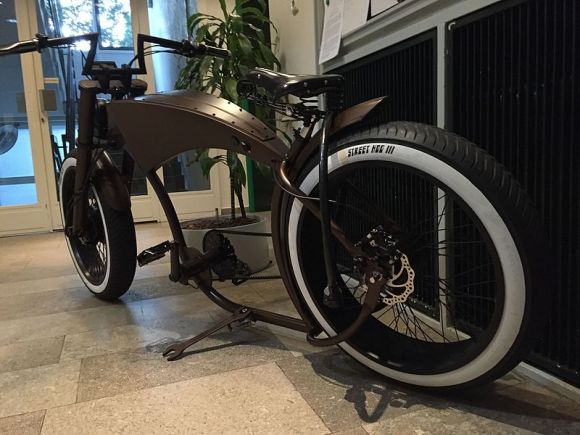
To fully realize the potential of e-bikes, certain conditions must be met:
- Affordable and Accessible Options
High-quality, reasonably priced e-bikes are important for widespread adoption. Increased availability and better affordability, as seen in Germany, can drive sales and make e-bikes a realistic choice for more people.
- Enhanced Infrastructure
Expanding bike lanes, creating secure parking spaces, and integrating e-bikes into urban planning will encourage more users. Deloitte emphasizes that infrastructural adjustments are critical to making e-bikes more attractive for commuting and everyday use.
- Safety and Regulation
Ensuring e-bike safety is paramount, especially concerning battery standards. Recent incidents in cities like New York have highlighted the need for universal compliance with the UL 2849 standard to prevent battery fires and enhance consumer trust.
- Corporate and Leasing Models
Corporate leasing programs, as seen in Germany, could be a game-changer. Companies offering e-bike leasing to employees promote sustainable commuting and make e-bikes more accessible.
The Future of E-Bikes
Deloitte concludes that e-bikes will likely maintain their lead in the e-mobility market, both in Germany and globally. Their combination of extended range, environmental friendliness, and versatility appeals to a broad spectrum of users. The following trends suggest a promising future:
Market Expansion: With recent supply chain improvements and growing demand, the e-bike market is poised for further growth.
Integration with Public Transport: E-bikes can complement public transit systems, filling gaps in first- and last-mile connectivity.
Technological Advancements: Innovations in battery technology, cargo capacity, and lightweight designs will enhance performance and broaden e-bike appeal.
So, How About Considering One?

While the rise of e-bikes might still need some boost in various aspects, but we just cannot deny that having a greener alternative to fossil-fueled vehicles is always a great idea. Not just e-bikes, but may also more conventional transportation like regular bike or maybe by foot.
Nevertheless, E-bikes represent a pivotal step toward sustainable transportation, combining practicality, fun, and environmental benefits. The success of e-bikes in Germany serves as a blueprint for their potential in North America and beyond.
By addressing infrastructure challenges, ensuring safety, and making e-bikes accessible to a wider audience, cities can unlock the transformative potential of this eco-friendly mode of travel.
The e-bikes revolution is already in motion. With continued investment and innovation, it’s only a matter of time before e-bikes become a mainstream choice for commuters, recreational riders, and eco-conscious consumers worldwide.
Sources:
Leave a Reply