


Communities are often struck out of the role in preserving our nature. However, their presence is actually one of the most important factors to determine the success of our nature conservation efforts.
Of course, we are not talking about every single community exists on earth, but some specific communities that can directly contribute to their roles. So, to understand more about the importance of communities, let’s talk about how they can play their roles.
Empowering Communities

Community-led efforts to protect forests place significant emphasis on empowering local communities to take an active role in safeguarding their natural resources. By involving them in decision-making processes, these efforts ensure that conservation actions are not only effective but also culturally appropriate and sustainable.
They develop a sense of ownership and responsibility for the well-being of the ecosystem they rely on for their livelihoods and way of life. This sense of stewardship fosters a deeper commitment to preserving the forest for future generations.
Moreover, community-led forest protection approaches recognize that local communities have unique insights into the challenges they face and the solutions that best suit their needs. They understand the delicate balance between human activities and environmental health.
By incorporating their traditional knowledge and practices into conservation strategies, these initiatives can be more attuned to the specific needs of the area and its inhabitants. In contrast to top-down management approaches, community-led efforts are more likely to result in successful and sustainable outcomes.
Engaging with local communities also helps identify potential threats, such as illegal logging or encroachment, at an early stage, allowing for timely intervention and mitigation. When communities are empowered, they become the guardians of their forests.
Holistic Conservation Strategies

Community-led efforts to protect forests adopt a holistic approach to conservation, which means considering multiple interconnected factors when making decisions. Rather than imposing one-size-fits-all solutions, these initiatives prioritize collaborative decision-making, taking into account the social, economic, and environmental aspects of forest preservation.
Holistic conservation strategies recognize that forests are not isolated entities but integral parts of larger ecosystems. They acknowledge the intricate relationships between flora, fauna, and humans within these ecosystems. By understanding these connections, community-led initiatives can create conservation plans that benefit both nature and society.
The inclusion of local communities in decision-making ensures that the strategies are culturally appropriate and respect traditional practices. They also address the needs and aspirations of the people who live in and depend on the forest. This approach fosters a sense of coexistence between humans and nature, where communities understand the significance of preserving biodiversity and the services that forests provide.
Furthermore, holistic conservation involves balancing conservation goals with sustainable development. It recognizes that local communities need resources from the forest to support their livelihoods. Rather than prohibiting all human activities, these initiatives promote responsible practices, such as selective logging or agroforestry, that allow communities to meet their needs without causing irreparable harm to the ecosystem.
Through holistic approaches, community-led forest protection efforts tackle underlying issues that threaten the forests. They address not only the symptoms but also the root causes of deforestation and forest degradation. This long-term perspective aims to create resilient ecosystems that can withstand environmental changes and human impacts.
Preserving Ecosystem Services for Human Well-being
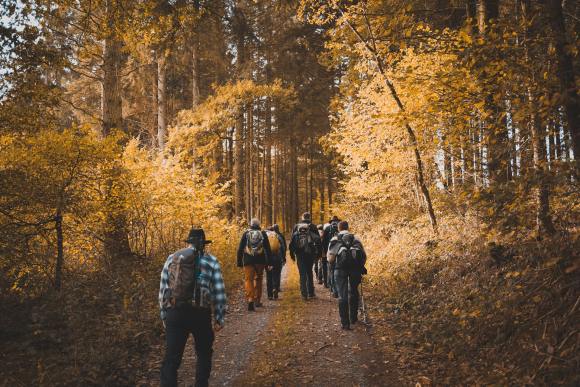
Community-led efforts to protect forests recognize the critical role these ecosystems play in providing invaluable ecosystem services that benefit both nature and society. Ecosystem services refer to the numerous benefits that humans receive from nature, including clean water, clean air, climate regulation, pollination, and soil fertility. Preserving these services is essential for maintaining the overall health and well-being of communities and the planet.
Forests act as natural water reservoirs, capturing and filtering rainwater, which is crucial for ensuring a steady supply of clean water for drinking, agriculture, and industrial activities. By preserving forests and protecting their watersheds, community-led initiatives ensure the continuity of water resources, even during periods of drought or changing climate patterns.
Additionally, forests play a vital role in mitigating climate change. Trees absorb carbon dioxide from the atmosphere during photosynthesis, reducing the concentration of greenhouse gases and helping to regulate the Earth’s climate. Community-led efforts often include reforestation and afforestation projects to increase forest cover and sequester more carbon, contributing to global climate change mitigation.
Moreover, forests support biodiversity by providing habitats for a wide array of plant and animal species. Many of these species, such as pollinators, are crucial for supporting agricultural production and food security. Preserving forest ecosystems helps protect biodiversity and the delicate balance of ecological interactions that sustain life on Earth.
Forests also play a crucial role in preventing soil erosion and maintaining soil fertility. The roots of trees help stabilize soil, preventing it from being washed away by rain or blown away by wind. Nutrient-rich leaf litter and organic matter from decomposing plants enrich the soil, supporting agricultural productivity and sustainable land use.
Community-led efforts to protect forests prioritize these ecosystem services because they understand that human well-being is intimately connected to the health of the environment. By safeguarding these services, these initiatives secure the resources necessary for sustainable livelihoods and the prosperity of future generations.
Collaborative Partnerships for Lasting Impact

Collaboration is essential for successful community-led forest protection. These efforts bring together various groups like governments, NGOs, private companies, and local communities. By working together, they gain access to more resources and expertise, making their impact stronger and ensuring long-term success.
Governments also play a vital role by creating supportive policies that recognize the rights of local communities to manage and protect their forests. NGOs bring technical skills and knowledge, helping communities learn about sustainable practices and conservation methods. They also raise awareness about forest issues and gather resources.
The private sector contributes by supporting sustainable practices like sourcing timber responsibly and investing in reforestation. This benefits both nature and business interests, creating a win-win situation.
Through collaboration, stakeholders share best practices and learn from each other, leading to continuous improvement and adaptation to challenges. So now, have you understood the importance of communities to our efforts to preserve nature?
Sources:
Leave a Reply