


In nature, some species form remarkable partnerships, working together to benefit one another’s survival. This type of relationship is called symbiosis, and one of the most vital examples is the connection between bees and flowering plants.
Their partnership not only supports their own survival but also benefits entire ecosystems and food supplies across the planet. Want to know more about this romantic relationship between bees and flowering plants? Follow through.
What Is a Symbiosis?

Symbiosis is a close relationship between two different species where each benefits from the other. There are many kinds of symbiosis in nature, from mutual support to interactions where one organism depends on another for survival.
In the case of bees and flowering plants, their mutual reliance helps each survive and thrive. For bees, flowers provide food in the form of nectar and pollen. Nectar, a sugary liquid, is a source of energy that bees collect and take back to their hive to make honey, which serves as food for the hive.
Pollen, on the other hand, is a protein-rich powder that provides important nutrients. Flowers benefit from bees by using them as natural pollinators, transferring pollen from one flower to another. This pollination process allows plants to produce seeds, grow fruit, and reproduce.
This exchange between bees and flowers is important not only for them but also for maintaining balanced and healthy ecosystems around the world.
How Bees and Flowers Help Each Other
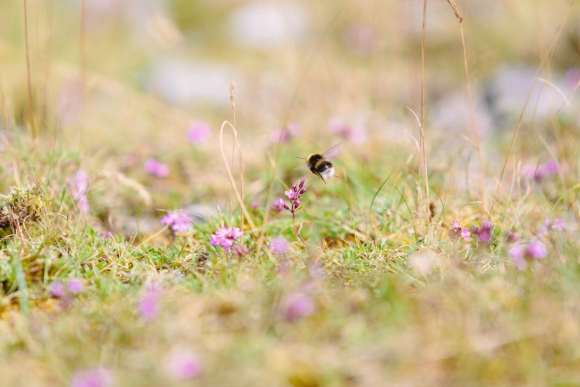
The interaction between bees and flowers is a beautiful and mutually beneficial exchange. Here’s how the process works and why it’s important:
Bees’ Role in Pollination
When a bee visits a flower, it uses its long, tube-like tongue to sip nectar from the flower’s center. As the bee collects nectar, pollen grains from the flower’s anthers (male part) stick to the hairs on its body.
When the bee moves on to the next flower, some of that pollen rubs off onto the flower’s stigma (female part), enabling fertilization. This simple act of moving pollen is what allows flowers to produce seeds, fruits, and new plants.
Bees visit hundreds of flowers each day, moving pollen around and ensuring that a large number of plants are pollinated. As they work to feed themselves, they are simultaneously supporting plant reproduction—a relationship that’s vital for both species.
The Benefit for Flowers
For flowers, bees are important to the process of reproduction. Without pollination, flowers wouldn’t be able to grow seeds or produce the fruits that sustain the next generation of plants. Pollination is important for the survival of flowering plants, and while wind and other animals also contribute, bees are some of the most efficient and effective pollinators.
Thanks to bees, flowering plants are able to flourish, ensuring that ecosystems are filled with a diverse variety of plant species. This variety provides food, shelter, and habitat for numerous other animals, which helps maintain a balanced ecosystem.
How This Relationship Helps the Environment
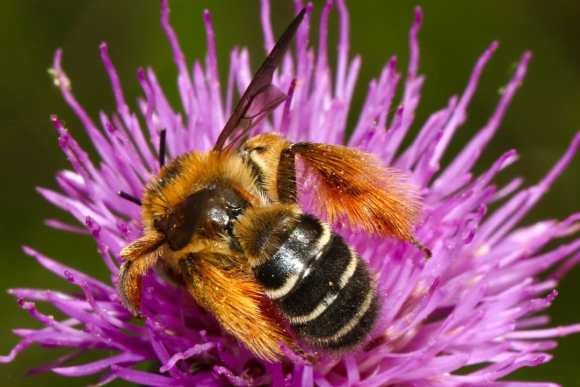
The symbiosis between bees and flowers has far-reaching effects on the environment, impacting everything from food production to the stability of ecosystems. Here are some of the ways this relationship supports the planet:
Supporting Food Production
About 75% of the world’s crops depend on animal pollinators like bees. This includes many of the fruits, vegetables, and nuts we eat daily, such as apples, almonds, and tomatoes. Without pollination, crop yields would dramatically decrease, impacting food supplies and prices worldwide.
Bees are particularly important for agriculture because their pollination increases the quantity and quality of the produce that we harvest. In fact, bee pollination is estimated to contribute billions of dollars to the agricultural economy each year. By supporting crop production, bees play a crucial role in sustaining human populations and food security.
Maintaining Biodiversity
Biodiversity, or the variety of species within an ecosystem, is important for a resilient and balanced environment. Pollination by bees promotes biodiversity by supporting the growth of various plant species. When plants flourish, they provide food and habitats for countless other species, from insects and birds to mammals.
Healthy biodiversity means that ecosystems are more adaptable and resilient to changes, such as climate shifts or natural disasters. The greater the biodiversity, the more stable an ecosystem becomes, which benefits all living things by creating a balanced and sustainable environment.
Enhancing Food Chains and Ecosystem Health
When flowering plants are pollinated and produce seeds, fruits, and vegetation, they provide food for other animals like birds, small mammals, and herbivores. These animals are then prey for larger predators, creating food chains that support diverse wildlife populations. Bees, in their work with flowering plants, are therefore a cornerstone of these food chains.
By keeping ecosystems healthy and supporting food chains, bees and flowering plants create environments where various species can coexist and thrive. This symbiotic relationship contributes to the health of ecosystems across forests, fields, grasslands, and even urban areas.
Challenges to Bees and Flowers, and How to Help
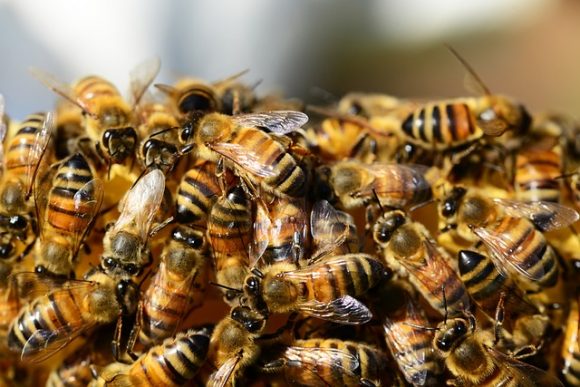
Unfortunately, bees and flowering plants are both facing significant threats that could disrupt this important relationship. Here are some of the primary challenges and ways we can help:
Threats to Bee Populations
Bees are under threat from several environmental pressures, including chemical pesticides which are used to protect crops from pests, can harm bees by contaminating the plants they feed on. When bees come into contact with these pesticides, it can weaken or even kill them.
Not only that, urban development and large-scale farming often replace meadows and wildflower habitats with concrete or monoculture crops, reducing the number of flowers available for bees to visit. Without diverse floral resources, bees struggle to find enough food.
And last but not leasst, rising temperatures and changes in weather patterns disrupt blooming seasons and flowering times, affecting when and where bees can find food.
How to Support Bees and Flowers
To protect the symbiotic relationship between bees and flowers, we can take several actions:
- Plant Native Flowers: Native flowers are well-suited to local bees and provide an excellent food source. By planting a variety of flowering plants in home gardens, parks, and community spaces, we can create “pollinator-friendly” environments that support bees.
- Reduce Pesticide Use: Avoiding chemical pesticides in gardens and opting for organic or natural pest control methods helps protect bees from harmful chemicals. Many cities and towns now promote pesticide-free zones to protect pollinator health.
- Provide Water Sources: Bees need water, especially in dry climates or hot summer months. Placing shallow dishes with pebbles and water in gardens allows bees to drink safely, helping them stay hydrated.
- Support Conservation Efforts: Many organizations work to conserve bee populations and protect their habitats. Supporting local and national efforts, whether through donations or volunteer work, contributes to larger-scale conservation initiatives.
Sources:
https://www.scientificamerican.com/
Leave a Reply