


Animals have developed various methods to survive in the wild, and one of the most effective is producing a foul odor. This stinky defense mechanism not only deters predators but also discourages curious humans.
Pretty unique, right? Therefore, here in this article, let’s take a closer look at some of the smelliest creatures in the animal kingdom, each with its unique way of stinking up the place.
The Musk Ox
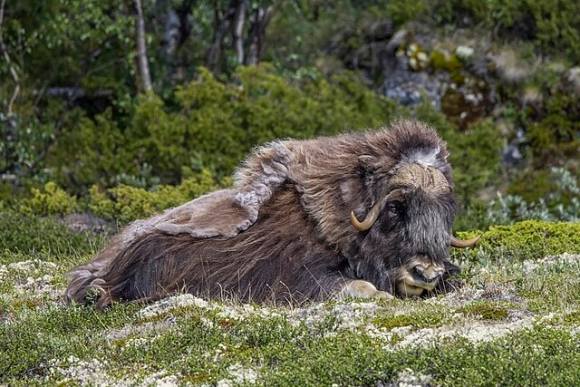
Musk oxen, found in the Arctic regions, are large, powerful animals known for their strong smell during the mating season. Male musk oxen secrete a smelly substance from glands near their eyes, which they rub into their fur to attract females.
This scent is so strong that it can be detected from a considerable distance, ensuring that females know when a male is ready to mate. The musk ox’s odor, combined with its impressive size and strength, makes it an animal to be reckoned with in the wild.
The Skunk
No list of smelly animals would be complete without the skunk, perhaps the most famous stinky creature in the world. Skunks use their powerful spray, produced by glands near their tail, to ward off predators and other threats.
The spray is so potent that it can cause nausea and even temporary blindness. Although there are various methods suggested for removing skunk odor, such as bathing in tomato juice, the most effective remedy is a mixture of hydrogen peroxide, baking soda, and dishwashing soap.
With around a dozen species of skunks, including the striped skunk and the Palawan stink badger, this animal’s reputation for being stinky is well-deserved.
The Wolverine
Wolverines, despite their portrayal in popular media, are among the smelliest animals on the planet. Known as “skunk bears” or “nasty cats,” wolverines belong to the mustelid family, which includes other stinky mammals like weasels and badgers.
Unlike other animals that use their scent to ward off predators, wolverines use the secretion from their anal glands to mark their territory and signal their availability during mating season.
This strong, pungent odor serves as a warning to other wolverines and ensures that only the bravest or most determined will approach.
The King Ratsnake
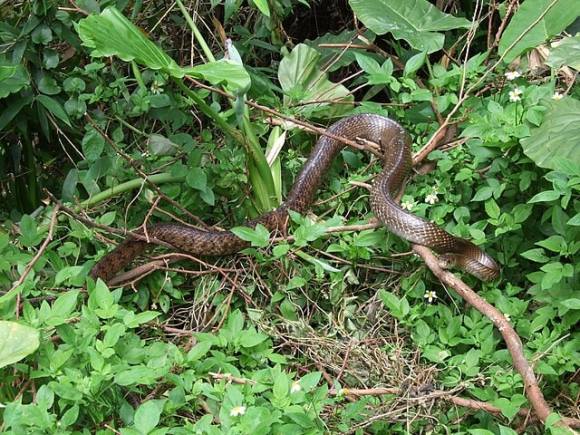
The king ratsnake of Asia, also known as the “stink snake” or “stinking goddess,” is an example of a reptile with a particularly unpleasant odor. When threatened, this snake releases a foul-smelling substance from its post-anal glands.
Despite its stench, the king ratsnake is a formidable predator, growing up to eight feet in length and preying on other snakes, including venomous ones like the Chinese cobra. The combination of its size, strength, and smell makes the king ratsnake a creature best left undisturbed.
The Hoopoe
The hoopoe is a bird found in Africa and Eurasia, and while it isn’t constantly stinky, it can produce a foul odor when necessary. During breeding season, the female hoopoe’s preen gland secretes a substance that smells like rotting meat, which she spreads over her feathers to deter predators.
Baby hoopoes are also equipped with this smelly defense mechanism and have the added ability to defecate explosively when threatened. This combination of unpleasant traits makes the hoopoe a bird that few would want to encounter up close.
The Tasmanian Devil
The Tasmanian devil, a carnivorous marsupial native to Tasmania, is known for its fierce temperament and powerful bite. However, when stressed, this creature can also produce a foul odor that can deter predators from attacking.
While the Tasmanian devil’s scent isn’t its primary defense, it’s certainly effective in combination with its loud screeches and aggressive behavior. These characteristics make the Tasmanian devil a formidable opponent in the wild, and one that most predators would rather avoid.
The Striped Polecat
The striped polecat, another member of the mustelid family, is infamous for its terrible smell. Like skunks, striped polecats use their anal glands to produce a noxious spray that they can aim at predators.
The spray not only smells terrible but can also cause temporary blindness if it gets into the eyes. This defensive strategy, combined with the polecat’s aggressive stance—arched back, tail straight up, and rear end facing the threat—ensures that few predators are willing to challenge this smelly mammal.
The Sea Hare
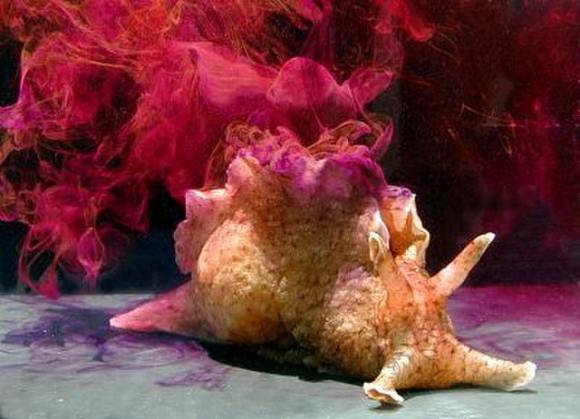
The sea hare is a marine mollusk known for its ability to produce a toxic, purple cloud when threatened. This cloud not only smells terrible but also overwhelms the olfactory senses of potential predators, effectively deterring them.
Additionally, sea hares are covered in a slimy mucus that makes them unappetizing and difficult to handle. Despite their unpleasant characteristics, sea hares are considered a delicacy in some cultures, particularly in China, where they are often served deep-fried.
The Stinkbird (Hoatzin)
The stinkbird, also known as the hoatzin, is one of the most distinctive birds in the world, not just for its appearance but also for its smell. The hoatzin’s digestive system is quite unusual, resembling that of cows.
The food it consumes is broken down by bacteria in its foregut, rather than its hindgut, which is a trait more commonly found in ruminant mammals. This process results in a foul, manure-like odor, earning the hoatzin its stinky reputation.
Despite its unpleasant smell, the hoatzin is a strict vegetarian, feeding exclusively on leaves, flowers, and fruits. This unique diet and digestion method make the stinkbird a last resort for food among indigenous populations in South America.
The Southern Tamandua

The southern tamandua, also known as the lesser anteater, might be small, but it’s capable of producing a stench that rivals that of a skunk. When threatened, this South American mammal releases a pungent odor from its anal glands, which is enough to deter even the most determined predators like jaguars.
Aside from its smell, the tamandua is equipped with other defenses, such as its prehensile tail and powerful arms, which are armed with long claws. These features allow it to defend itself effectively against attackers.
The Bombardier Beetle
The bombardier beetle is a master of chemical warfare. This insect is equipped with two glands in its abdomen that store a mixture of chemicals, including hydroquinone and hydrogen peroxide. When threatened, the beetle mixes these chemicals, causing a reaction that produces a boiling, noxious spray that can be fatal to other insects.
This defensive mechanism is highly effective and has fascinated scientists, particularly those interested in the concept of intelligent design. Although the bombardier beetle’s spray isn’t lethal to humans, it’s still unpleasant enough to make anyone think twice before handling one.
Sources:
Leave a Reply