


One volcanic island in Caribbean Sea, Redonda, used to be a dusty and rusty place. According to a World Economic Forum article, it even resembled the surface of the moon. But nowadays, it is a dusty and rusty place no longer.
The Redonda Island, which is a part of Antigua and Barbuda, is now an example of how we can turn back the ‘moon surface’ into a picturesque island. All of that was thanks to effective conservation efforts.
The importance of learning this process is what every person needs to make this world a better planet. Knowing the importance of each process can help us to make sure our world stays pristine and in its best condition.
So, how did it happen? Can we turn the tide in other places too? Here in this article, we are going to talk about this.
Protected Reserve
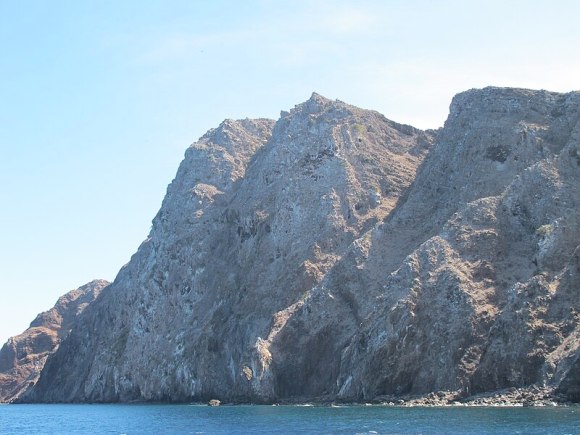
Like what we have implicitly mentioned above, Redonda, a picturesque Caribbean Island, has undergone a remarkable transformation into a protected reserve. This designation spans an impressive 30,000 hectares, encompassing not only the island itself but also the surrounding seagrass meadows and a vibrant coral reef ecosystem.
This extensive protection is a testament to the commitment of conservationists and the government to preserve the island’s unique natural beauty and ecological significance. The declaration of Redonda as a protected reserve is a crucial step in safeguarding its biodiversity.
By covering such a vast area, it ensures that the island’s terrestrial and marine ecosystems are shielded from potential threats, such as habitat destruction, overfishing, and pollution. This protection is essential for the long-term health and vitality of the island’s flora and fauna.
The inclusion of surrounding seagrass meadows and coral reefs within the protected area underscores the interconnectedness of Redonda’s ecosystems. Seagrass meadows serve as critical nurseries for various marine species, including fish and crustaceans
While on the other hand, coral reefs provide habitat and food for countless marine organisms. By preserving these crucial components of the ecosystem, the conservation efforts extend beyond the island’s shores.
Biodiversity Conservation

Redonda’s transformation into a protected reserve is a triumph in the realm of biodiversity conservation. The island’s resurgence as a haven for a diverse array of species is a remarkable success story, considering the perilous state it was once in.
Redonda’s newfound role as a sanctuary for biodiversity is particularly evident in the resurgence of its endemic species. Endemic species are those found nowhere else on Earth, and Redonda boasts a variety of such species, including unique lizards, snakes, and birds.
These creatures were teetering on the brink of extinction due to the historical impact of invasive species and habitat degradation. However, through dedicated conservation efforts, their populations have rebounded.
The recovery of these endemic species not only contributes to the island’s ecological health but also serves as a testament to the resilience of nature when provided with a chance to thrive. Redonda’s transformation showcases the potential for ecosystem recovery when invasive threats are effectively managed and habitats are restored.
Additionally, the resurgence of these endemic species offers a unique opportunity for scientific research and observation. It allows experts to study and learn from these species in their natural habitat, which can have broader implications for conservation efforts worldwide.
Invasive Species
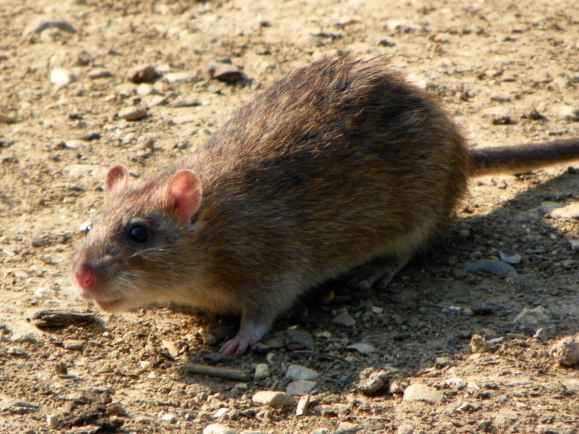
Redonda’s remarkable transformation into a thriving protected reserve wasn’t without its share of challenges. One of the most significant obstacles it faced was the presence of invasive species, particularly rats and goats, which wreaked havoc on the island’s fragile ecosystem.
Like mentioned above, rats and goats, introduced to Redonda by human activities, had a devastating impact on the island’s native flora and fauna. Rats, being prolific breeders and voracious predators, posed a significant threat to the island’s bird populations, particularly ground-nesting birds.
They also consumed plant seeds, further impacting the island’s vegetation. Goats, on the other hand, were responsible for overgrazing, leading to habitat destruction and soil erosion. The combined effect of these invasive species was nothing short of catastrophic for Redonda’s biodiversity.
To restore the island’s ecological balance, a concerted effort was made to eradicate these invasive species. This was a complex and challenging undertaking, involving extensive planning and execution. Various methods, including baiting and trapping for rats, and culling for goats, were employed to remove these threats.
The successful removal of invasive species was a turning point in Redonda’s conservation journey. It allowed the island’s native species to recover and reclaim their natural habitats. Bird populations began to increase, and the vegetation slowly started to regenerate. This restoration is a testament to the resilience of ecosystems when invasive pressures are alleviated.
Community-Led Conservation
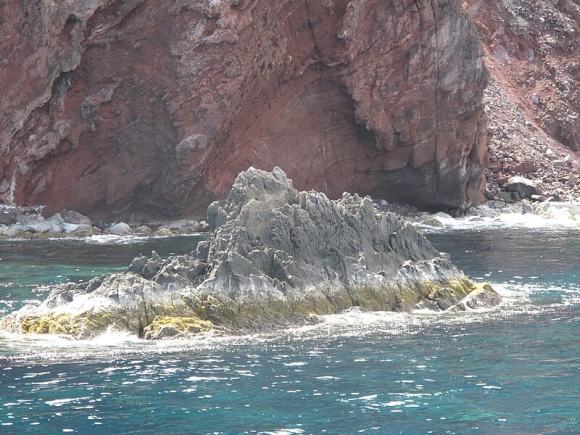
The inspiring transformation of Redonda into a protected reserve and its success in biodiversity conservation can be largely attributed to a unique and collaborative approach – community-led conservation.
This approach involved the combined efforts of the government, local organizations, and dedicated volunteers, making it a model for other conservation projects worldwide. At the heart of this community-led initiative was the active involvement of the local population.
Redonda’s residents and local organizations played a pivotal role in raising awareness, advocating for conservation efforts, and contributing their knowledge of the island’s ecosystems. This local knowledge was invaluable in understanding the island’s unique biodiversity and the threats it faced.
The collaboration extended to the government’s active participation and support. Government agencies provided the necessary resources, legal frameworks, and funding to facilitate conservation efforts. This partnership between the community and government ensured a coordinated and sustained approach to conservation.
Volunteers also played a critical role in this endeavor. Their dedication to eradicating invasive species, restoring habitats, and conducting research was instrumental in the island’s recovery. Their efforts demonstrated the power of citizen science and volunteer-driven conservation work.
The success of community-led conservation on Redonda has made it a shining example for similar initiatives around the world. It emphasizes the importance of engaging local communities and fostering a sense of ownership and responsibility for their natural environment.
Such collaborations not only enhance the effectiveness of conservation efforts but also create a shared sense of pride and stewardship among the people who call these unique places home.
Sources:
Leave a Reply