


Few collaborations are as captivating and essential in the complex web of nature as the symbiotic connections between animals and flowers in their intricate dance. The relationships formed over thousands of years tell fascinating stories of living together, mutual advantages, and adaptation that still impact our environments today. St Louis flower delivery not only helps bring order to nature with flowers but also decorates our homes.
Embark on a captivating journey into the intricate tapestry of nature’s relationships, where the delicate interplay between flowers and animals unfolds in a symphony of beauty and wonder. In this enchanting exploration, we delve into the fascinating story of how flowers and animals coexist in harmony, each playing a vital role in the survival and evolution of the other.
Join us as we unravel the secrets behind these symbiotic relationships, uncovering the captivating tales of pollination, protection, and mutualism that shape the vibrant ecosystems of our world.
Setting the Stage

Picture a world where flowers and animals work together not just to survive but to prosper in unity. This is the domain of the mutual relationship between flowers and animals, where each petal, wing, leaf, and paw has a specific function. This collaboration is not just aesthetically pleasing; it is crucial to the fundamental structure of our environment.
The Importance of Mutualism
The mutual relationship between plants and animals is more than just random meetings; it is essential for the well-being of ecosystems. These collaborations guarantee plant pollination, defend against predators, and even enable the transfer of crucial nutrients underground.
Without these alliances, the delicate balance of nature would tilt perilously.
Mutualism, a symbiotic relationship where both parties benefit, plays a crucial role in shaping ecosystems and promoting biodiversity. In mutualistic interactions, organisms rely on each other for essential resources such as food, shelter, or protection, leading to a balanced and sustainable coexistence.
This cooperative behavior enhances the resilience of ecosystems by increasing species diversity and strengthening community stability.
Moreover, mutualistic relationships often result in the optimization of resource utilization, maximizing efficiency and productivity within ecosystems.
From the intricate dance of pollination between flowers and pollinators to the mutually beneficial partnerships between plants and their microbial symbionts, mutualism underscores the interconnectedness and interdependence of life forms in nature.
Understanding the importance of mutualism not only deepens our appreciation for the complexity of natural systems but also highlights the critical role it plays in maintaining the health and functioning of ecosystems worldwide.
Pollination Partnerships

At the heart of floral and faunal symbiosis lies the mesmerizing art of pollination. This is no random affair but a dance of co-evolution between flowers and their pollinators.
Bees, butterflies, birds—they are not just visitors but partners in a grand scheme of mutual benefit. Through this exchange, flowers ensure their reproduction while providing sustenance to their winged allies.
Protective Alliances
Flowers are not defenseless entities but masters of adaptive strategy. Some have forged protective alliances with animals, offering nectar in return for safeguarding services. Others have perfected the art of mimicry, disguising themselves as creatures to evade hungry predators. Orchids, with their intricate forms, often rely on ants for protection—a bond as captivating as it is essential.
Nutrient Exchange Networks
Beneath the surface lies another world of partnership—where roots meet fungi in an underground ballet.
Mycorrhizal fungi form symbiotic relationships with plant roots, enhancing nutrient absorption and water uptake. Similarly, nitrogen-fixing bacteria enrich the soil, enabling plants to flourish. These hidden collaborations sustain entire ecosystems from within.
Coexistence and Coevolution
The story of floral and faunal symbiosis is one of ongoing adaptation. As species coexist, they shape each other’s genetic destinies through a process of coevolution. Competition fuels innovation, while cooperation ensures survival.
From ancient rainforests to modern gardens, these relationships echo through time, molding biodiversity as we know it.
Conservation and Future Perspectives
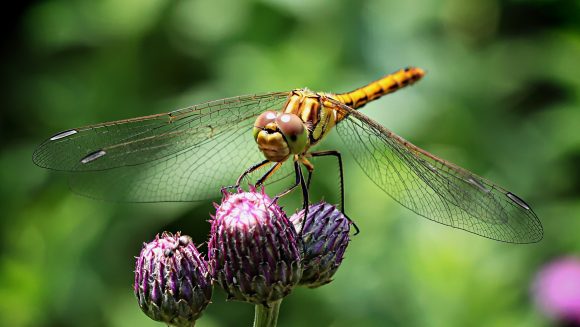
Yet, amidst the wonder of symbiotic partnerships, a shadow looms. Climate change, habitat loss, and human intervention threaten these delicate alliances.
Preserving these relationships isn’t just about saving pretty flowers; it’s about safeguarding entire ecosystems. Conservation efforts must prioritize the protection of these vital bonds for the health of our planet.
Reflecting on the Wonder
As we think about the intricate connections in nature, we are reminded of its complexity and ability to bounce back. Each flower, each animal, possesses a tale to share – a narrative of mutual reliance and adjustment.
The continuous exploration of the relationship between plants and animals holds the potential for fresh discoveries and a more profound understanding of the interdependence of all living beings.
In Conclusion
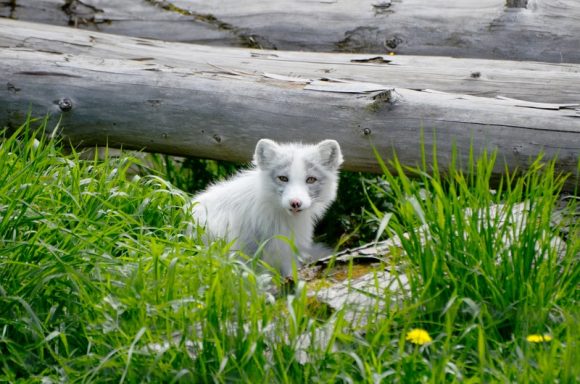
The symbiotic relationship between flora and fauna showcases the cleverness and interconnection of nature. It is a tale of alliances built over years, molded by shared necessity and natural selection.
As caretakers of Earth, it is our duty to support and safeguard these connections, guaranteeing the thriving of the intricate web of life.
Let’s begin this adventure with respect and a desire for discovery, uncovering fresh enigmas and safeguarding nature’s enduring beauty found in its harmonious relationships.
Leave a Reply