


In some towns in France and Belgium, people can get chickens for free. However, these chickens are not for eating. They are for helping reduce food waste.
It may sound strange, but this idea has worked very well. Families who adopt the chickens feed them leftover food that would normally be thrown away. In return, the chickens lay eggs, which the families can eat.
This plan started years ago in small towns. Now, it is still going strong. The chickens are saving food from landfills and helping people live in a more eco-friendly way.
Let’s look at how the plan works, why it helps the environment, and whether other places could do the same.
How the Free Chicken Plan Started

In 2015, the French town of Colmar began a new plan. It gave away chickens to local families. The idea came from the town’s waste department. They wanted to stop people from throwing away so much food.
The town’s leader at the time, Gilbert Meyer, had a slogan: “One family, one hen.” This meant every family should have a chicken. He wanted people to feed the chickens their food scraps, like vegetable peels or old bread.
That year, over 200 families signed up. Each family got two chickens. The chickens were either red chickens (Poulet Rouge) or Alsace chickens, a local type of bird. The families promised to take care of the animals. The waste department was allowed to check on them anytime to make sure they were healthy.
The town did not give chicken coops. Families had to build or buy their own. Each home needed to have 8 to 10 square meters of space for the chickens.
The plan was a success. Every year, more towns around Colmar joined. Since 2022, all 20 towns in the area are part of the chicken program. So far, more than 5,000 hens have been given away.
How Chickens Help the Environment
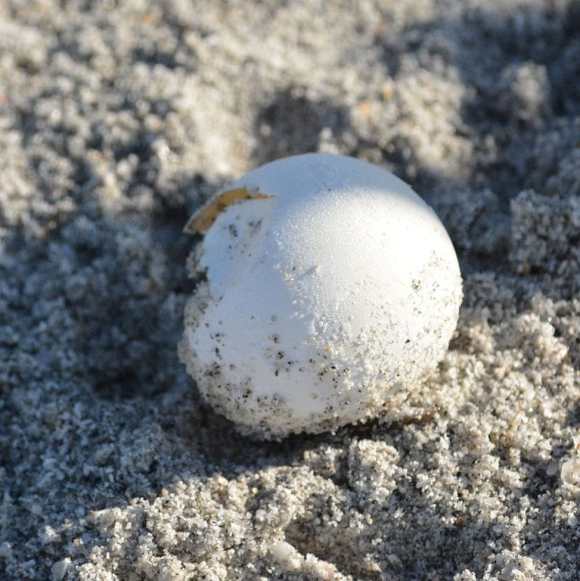
Chickens are not only useful because they give us eggs. They are also great at eating leftover food. A single chicken can eat about 150 grams of kitchen scraps each day. Over time, this means a lot of food is saved from the trash.
Since the plan started in 2015, Colmar says it has stopped more than 270 tons of food waste from going to landfills. That is the same weight as about 40 elephants!
Why is this important? When food waste goes to landfills, it rots and makes methane gas. This gas is very bad for the Earth’s climate. It warms the planet even faster than carbon dioxide.
In fact, food waste in landfills makes more methane than any other type of waste. It causes around 8–10% of all climate pollution in the world. That’s five times more than the pollution from airplanes.
So, giving chickens to families does two great things. First is, it feeds the chickens with food we don’t eat. Not only that, it stops that food from turning into harmful gas.
Also, the chickens lay fresh eggs. Some types can lay up to 300 eggs every year. That’s like saving over $200 for a family in places where eggs are expensive.
The chickens also teach children to care for animals and respect nature. This has made the program popular with families.
Where Else Are Chickens Being Given Away?
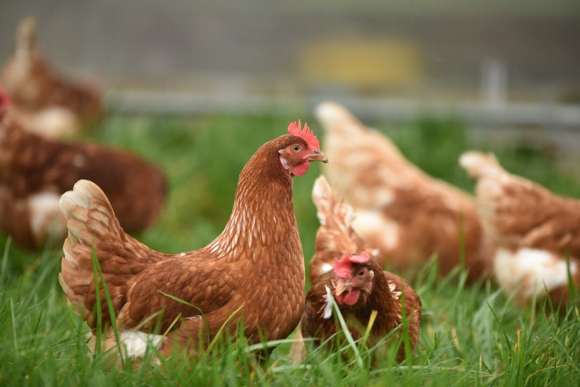
Colmar is not the only place giving away chickens. Other towns in France and Belgium have done it too.
In 2012, a small French town called Pincé started a similar program. At first, people thought it was a joke. But then they saw how well it worked. Families were happy, and food waste went down. Each family got two chickens and some chicken feed to start.
In Belgium, chickens have been given out in Mouscron, Antwerp, and the province of Limburg. In Limburg, more than 2,500 families joined the program in just one year. People had to show that they had enough garden space for the chickens. They were also asked not to eat the chickens for at least two years.
The city helped families by giving them instructions on how to care for chickens. In Mouscron, they gave away 50 pairs of chickens in the second round because the first time was such a success.
These programs show that free chicken plans can work in different places—not only in small villages, but also in cities.
Can This Idea Work in Other Countries?
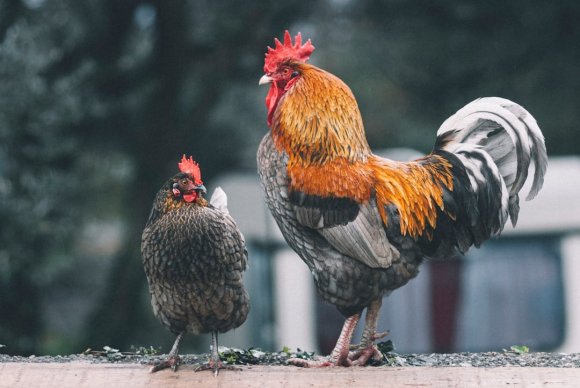
The free chicken idea is smart, but it may not work everywhere.
In the UK, for example, there are rules that say you should not feed kitchen scraps to chickens. This is to stop the spread of diseases like bird flu.
In the US, there are also problems. Bird flu has been a big issue there. Because of it, egg prices have gone up by more than 30% in some places. But giving away chickens is not the best answer, says Mark Bomford, who works on sustainable food at Yale University.
He says chickens need food, water, a safe home, and lots of care. Many families do not have the time, money, or space for that. So even if the chickens are free, they still cost a lot to raise.
In the US, one creative couple started a company called Rent The Chicken. They let people rent chickens for six months. They provide the chickens, the food, and help. The idea is popular, especially because of the high egg prices.
Even in places where it is legal and easy to raise chickens, experts say we need to manage our expectations. Most home chickens lay fewer eggs than chickens on large farms. But those farm chickens often suffer from poor living conditions.
Paul Behrens, a food expert at Oxford University, says it’s better to have a happy chicken that lays fewer eggs than one that lives in pain. People should be okay with fewer eggs if it means better animal care.
He also says the best way to fight food waste is to not waste food at all. Some people think composting or feeding chickens makes it okay to waste. But the best thing is to eat what we buy.
Community Benefits

One nice surprise from Colmar was how chickens brought neighbors together. Families shared ideas and helped each other build chicken coops. When someone went on holiday, neighbors helped take care of their birds.
Eric Straumann, who leads the Colmar area today, says the program is still going strong because people like it. “Residents have welcomed this operation since its launch,” he says.
The plan is simple, fun, and helpful. It teaches people how to care for animals, helps the planet, and gives families fresh eggs. That’s a win for everyone.
Sources:
https://www.brusselstimes.com/
Leave a Reply