

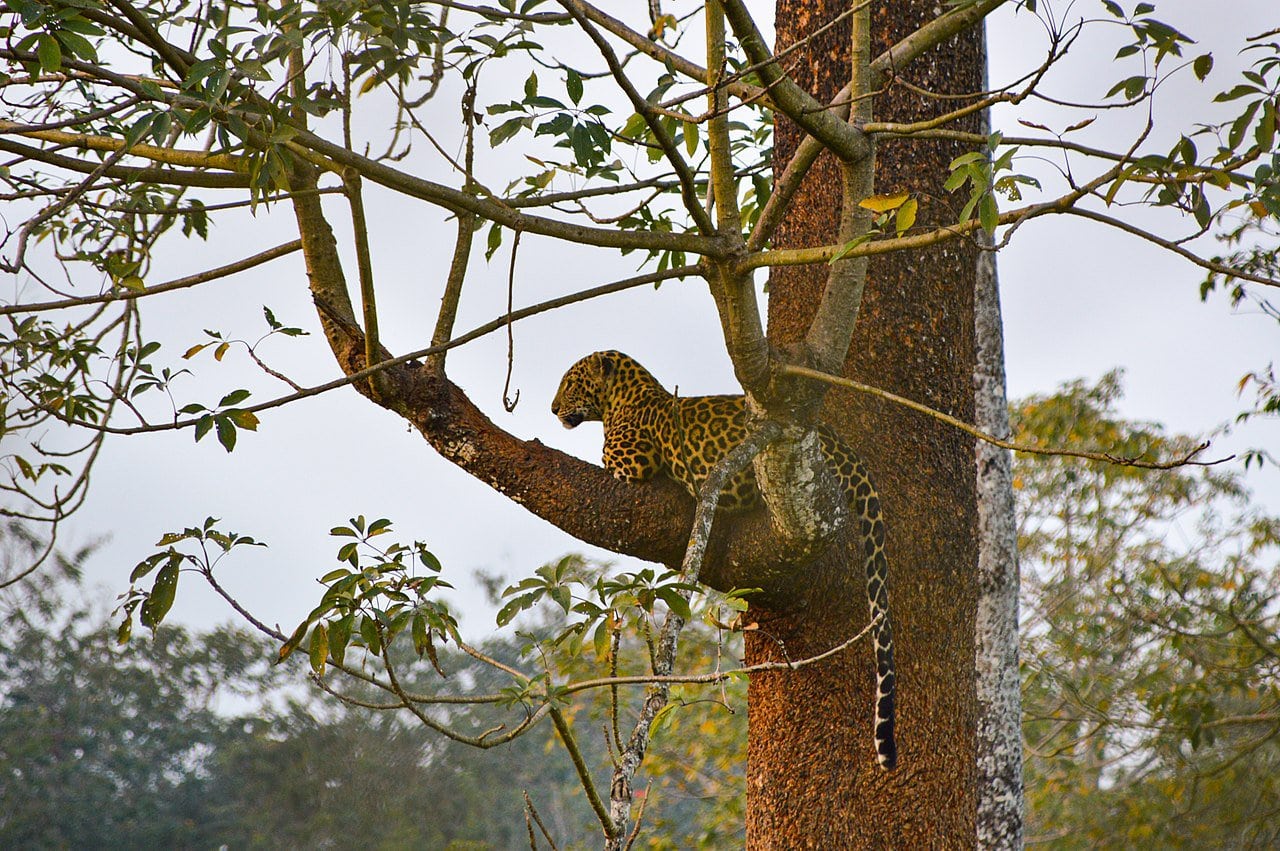
In India, one of the most densely populated countries in the world, human activity and land development continue to expand at a rapid pace. As cities grow and natural landscapes shrink, indian ecosystems across the country are under increasing pressure.
Forests, grasslands, wetlands, and mountain habitats are disappearing or becoming fragmented, placing extraordinary strain on wildlife. Over the past 50 years, global population growth, urbanization, and industrial development have resulted in the loss of hundreds of millions of acres of forest worldwide.
Wildlife has lost access to food, shelter, and migration routes at an unprecedented rate. According to a 2020 analysis, Earth has entered a sixth mass extinction, with more than 500 land animal species now at risk of disappearing within the next two decades.
India is home to remarkable biodiversity, yet many of its most iconic species are now fighting for survival. Below are 10 endangered animals in India that urgently need protection.
Bengal Tiger
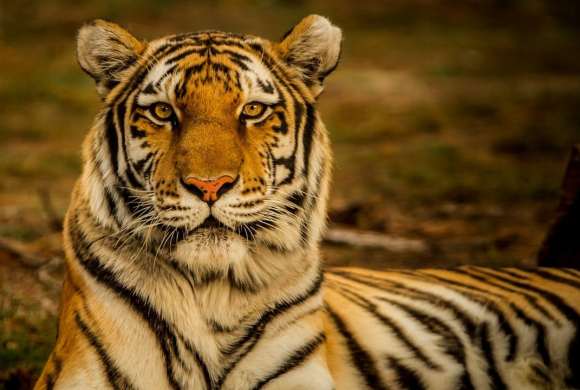
Bengal tigers account for roughly half of the global tiger population, with about 70% of them living in India. These powerful predators are highly adaptable and can survive in forests, mangroves, grasslands, and wetlands, as well as in both hot and cold climates. Despite this resilience, Bengal tiger populations have declined sharply over the past century.
Decades of poaching for skins and body parts, trophy hunting, and widespread habitat destruction have pushed the species into danger. Tigers now occupy only about 7% of their historical range, with fewer than 2,000 individuals left in the wild. Human-wildlife conflict remains a serious challenge in a country where dense populations increasingly overlap with tiger habitats.
Asiatic Lion
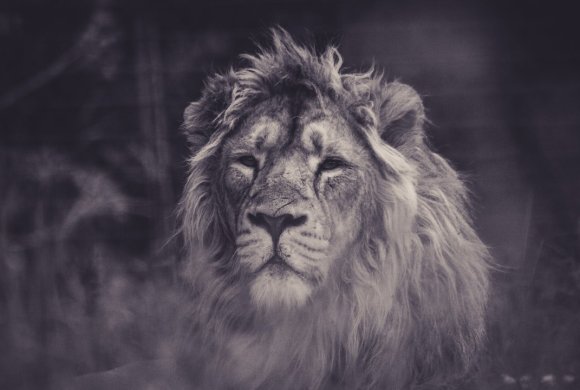
The Asiatic lion is smaller than its African counterpart and is distinguished by a larger tail tuft and a fold of skin along its belly. Historically, this species ranged across southwest Asia, but today its entire population is confined to India.
Asiatic lions now live almost exclusively in and around Gir National Park in Gujarat. Listed as endangered by the IUCN, the population stands at roughly 500 to 650 individuals. Although conservation efforts have helped stabilise numbers, threats persist. Illegal electric fencing and thousands of uncovered irrigation wells in farming areas have caused numerous accidental lion deaths.
Snow Leopard

Snow leopards once roamed vast areas of Central and South Asia. In India, they are now restricted to high-altitude regions of Ladakh, Himachal Pradesh, Uttarakhand, and parts of the Himalayas. Fewer than 500 individuals are estimated to remain in the country.
Poaching for fur and body parts continues to threaten the species, while declining prey populations caused by livestock grazing reduce available food sources. Infrastructure projects such as mining and hydroelectric dams further fragment habitats. Since female snow leopards reproduce slowly, population recovery is extremely difficult.
One-Horned Rhinoceros
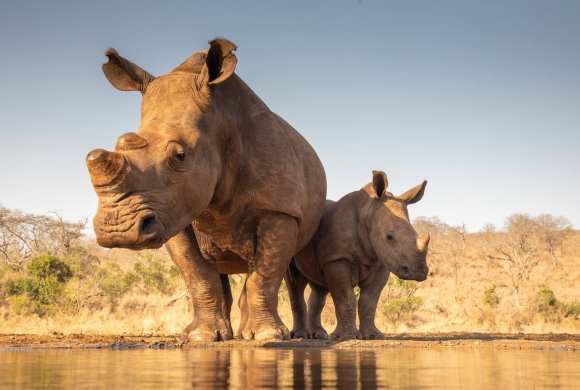
Also known as the Indian rhinoceros, this species is primarily found in northeastern India and along the Himalayan foothills. The animal was once driven close to extinction due to poaching for its horn and conflict with farmers.
By the early 1900s, the population had dropped to around 200 individuals. Strict conservation measures, protected areas, and anti-poaching enforcement have helped numbers recover to approximately 3,700 today. Despite this success, seasonal flooding and human-wildlife conflict continue to pose risks.
Blackbuck

The blackbuck, or Indian antelope, suffered dramatic population declines due to hunting and habitat loss. From an estimated 80,000 individuals in the late 1940s, numbers fell to just 8,000 within two decades.
Conservation efforts have helped increase the population to around 25,000, but the species still faces threats. Stray dogs, pesticide exposure, vehicle collisions, and shrinking grasslands continue to impact survival. Blackbucks are now found mainly in small, fragmented herds across open plains and scrublands.
Lion-Tailed Macaque

Endemic to the Western Ghats, the lion-tailed macaque is easily recognised by the silver-white mane framing its face. This primate depends on dense rainforest canopies, which are becoming increasingly fragmented.
Fewer than 4,000 individuals remain in the wild, and populations are expected to decline further if deforestation, road construction, and human disturbance continue. Increased access to human food has also altered natural behaviours, reducing time spent foraging in forests.
Resplendent Tree Frog

Discovered only in 2010, the resplendent tree frog is one of India’s rarest amphibians. It has a vivid orange body and distinctive glands across its skin.
This species is found exclusively at the Anamudi summit in Kerala’s Eravikulam National Park. Scientists estimate that only about 300 individuals remain, making it one of the most geographically restricted amphibians in the world. Immediate conservation action is considered critical.
Kashmiri Red Stag

The Kashmiri red stag has been listed as critically endangered for decades. It is now largely confined to Dachigam National Park, which covers just 141 square kilometres.
Once numbering in the thousands, the population dropped to around 150 in the 1970s and remains dangerously low today. Habitat fragmentation, grazing pressure, and low reproductive rates are key factors driving its decline. Ongoing conservation programs aim to stabilise and rebuild the population.
Nilgiri Tahr
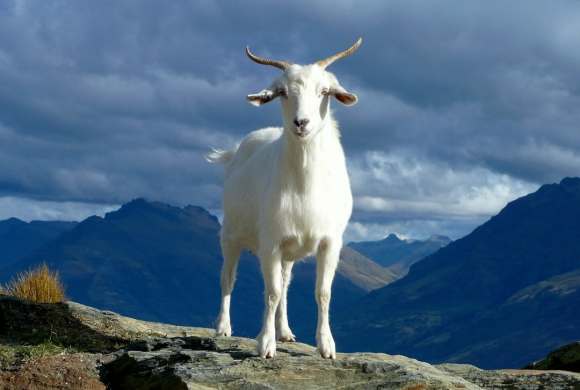
The Nilgiri tahr is a mountain goat species native to the Western Ghats. Today, only 2,500 to 3,000 individuals remain, occupying less than 10% of their former range.
Poaching and habitat loss remain threats, but climate change poses a growing risk. Rising temperatures are expected to make high-altitude grasslands unsuitable, further restricting available habitat.
Gaur
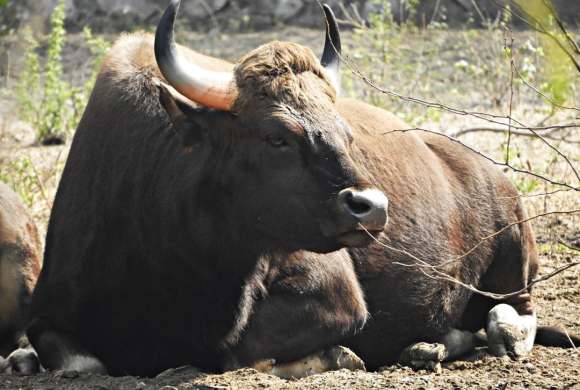
The Indian bison, or gaur, is the largest wild cattle species in the world. It is native to South and Southeast Asia but has lost more than 70% of its population in parts of its range.
Poaching, habitat degradation, and competition with domestic cattle have driven declines. Although listed as vulnerable rather than endangered, the species remains at risk. India’s Wildlife Protection Act provides legal safeguards, including habitat restoration and regulated grazing.
Sources:
Leave a Reply