

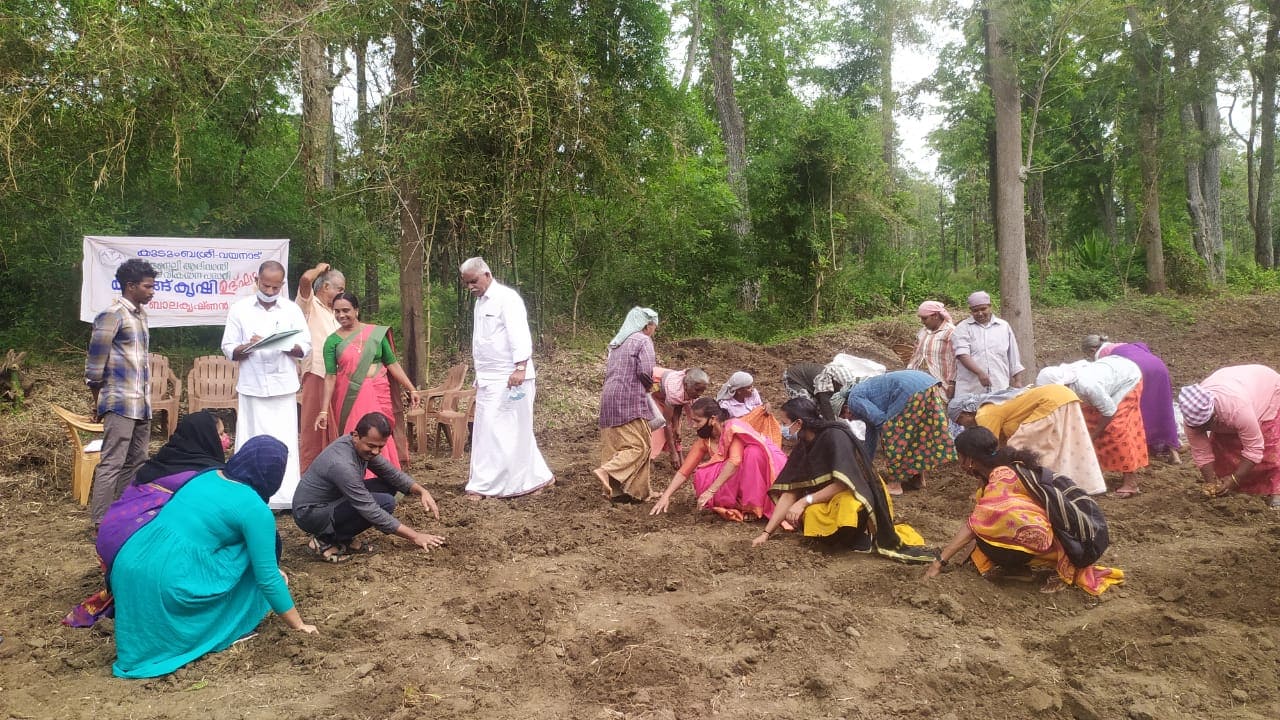
Deep in the green forests of Wayanad, Kerala, a special group of Indigenous women are on an important mission. They are working hard to bring back India’s ancient giant yams, a type of plant that used to be a very important part of their food and culture.
But these yams are now slowly disappearing. What they do to prevent it? Here is the information.
A Personal Mission to Save the Yams

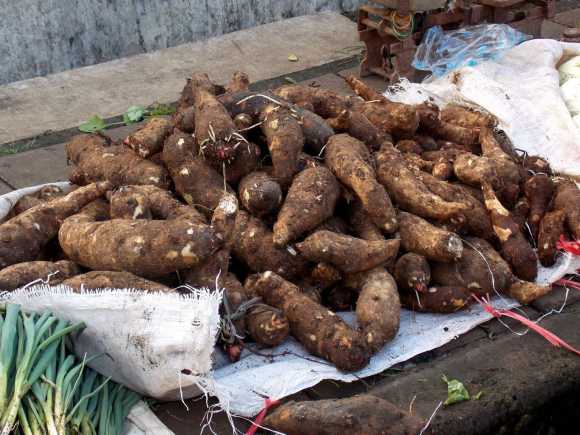
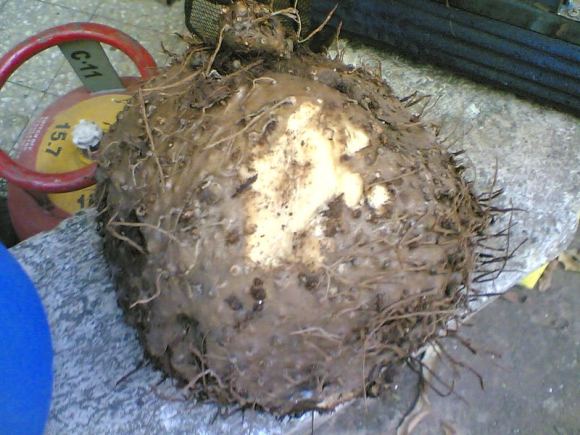
For Lakshmi, a 58-year-old woman from the Vetta Kuruman tribe, this mission is deeply personal. Every day, she spends hours digging up huge, bumpy roots from the ground. Some of these starchy roots can be as heavy as 11 pounds (5 kilograms) and as long as 4.5 feet (1.4 meters), almost as tall as she is!
Getting them out of the ground is not easy. First, she cuts the thick stem. Then, she carefully digs around the plant using shovels and special tools, making sure not to hurt the roots. Finally, she uses her hands to gently pull the yam out of the soil.
When Lakshmi looks at a yam she has just dug up, she sees more than just food. For her, it’s a way to connect with the past—it reminds her of how her family members from long ago survived on these healthy roots for hundreds of years.
Women Saving Their Culture
Lakshmi is not alone in this important work. She is part of a 10-woman group called “Noorang.” This name is short for Nuru Kilangu, which is what they call the giant yam in their local language.
All the women in Noorang belong to the Vetta Kuruman tribe, which is one of the oldest Indigenous groups in Kerala.
For hundreds of years, Lakshmi’s people lived as nomadic hunters and gatherers. This means they moved from place to place, finding food from the rich natural resources of the Wayanad forests. Their diet included wild fruits, honey, roots they could eat, and most importantly, many different kinds of tubers (which are like yams and potatoes).
Lakshmi remembers, “When I was a child, we ate different types of yams and sweet potatoes every day. We boiled them, steamed them, and roasted them. They were a very important part of our meals and our family traditions.”
But today, these important tubers are in danger of disappearing from their daily food. Younger people, who can easily get rice and wheat, don’t value these traditional foods as much anymore. Also, very bad weather events, like floods and landslides, have ruined many yam crops in recent years. Between 2005 and 2015, huge areas of yam farmland in Kerala were turned into rubber plantations because growing rubber became more profitable. A report from a research center shows a big drop in how many yams were grown during this time.
Why Saving Yams Matters for Everyone
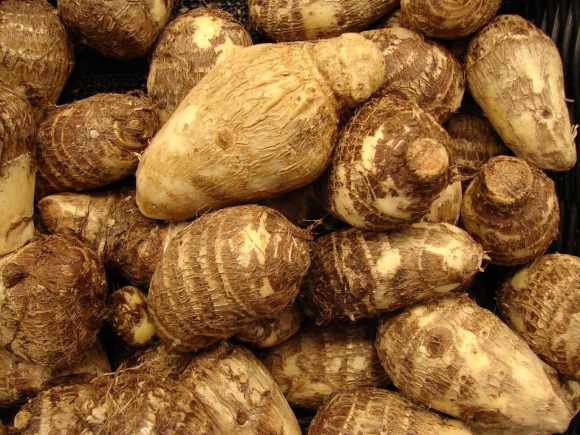
The Noorang group believes that protecting these tubers is not just about keeping old traditions alive. They see it as a way to fight hunger and malnutrition (when people don’t get enough healthy food).
V Shakeela, who directs a center focused on food diversity, says, “It’s the solution to many problems our tribal communities are facing today, especially malnutrition and not having enough food.”
Studies show that Indigenous communities in India often have poorer health compared to other groups. Many of them don’t have enough food, and these tubers could be an affordable and healthy solution.
Shakeela adds, “Women like Lakshmi and Shantha are growing these yams not just for cultural reasons, but to feed their families and make sure these ancient crops don’t disappear.”
Women Leading the Way in Traditional Knowledge
In the traditional Vetta Kuruman society, women have always played a very important role in getting tubers from the ground. They knew how to find them, how to dig them up, and how to store them, which made sure their families always had food.
Shantha, another member of the Noorang group, says, “We believe these tubers have medicinal value.” She explains that mothers in their community believe these tubers can help with stomach problems, especially when cooked with a spice called turmeric.
Many types of tubers have a lot of fiber, vitamins, and antioxidants, which are all very good for health. But if the younger generation stops eating them, valuable knowledge about healthy food will be lost.
A Changing Way of Life
For most of their history, the Vetta Kuruman people lived deep in the forests, moving from one place to another as hunters and gatherers. But in 2003, the Kerala government moved them to villages outside the forests.
In 2016, each family was given half an acre of land to farm. This change from living in the forest to farming in villages also changed their diet. Instead of yams, people started growing rice, bananas, and other vegetables.
Because yam farming was disappearing, the Thirunelly Tribal Comprehensive Development Project started the Noorang group in 2022, during the Covid-19 pandemic. Their goal was to help tribal communities grow their own traditional food again and stop these important crops from being lost.
Bringing Back the Ancient Yams
Since it started, the Noorang group has done a great job bringing back many different types of wild tubers.
They have successfully brought back 180 different kinds, including 15 types of wild yam, 3 types of elephant yam, 8 types of Colocasia (a type of elephant ear tuber), 16 types of turmeric, 4 types of tapioca, 7 types of sweet potato, 2 types of ginger, 3 types of arrowroot, and 1 type of Chinese potato.
Sarasu, another Noorang member, says, “Our main goal is to find and save as many rare seeds as we can.”
Even though they’ve had success, the women face many difficulties. First, getting the land ready for farming was extremely hard. The area was covered in thorny bushes and harmful wild plants that grow into thick, tangled shrubs. Sarasu recalls, “Our hands were bleeding by the end of each day. We couldn’t pay for help, so we did everything ourselves.”
The women also struggle because they don’t have enough money. Their project runs on a very small budget. Each woman earns only about $107 per year (9,000-15,000 rupees) from selling their crops.
Another big problem is wild animals. Monkeys, wild pigs, and elephants often raid their farms, eating or destroying their crops.
And then there’s the weather. While yams can handle heat, they can be damaged by too much water or not enough water (drought). Heavy monsoon rains cause floods that make the crops rot, while dry summers lead to small, unhealthy harvests.
Celebrating Their Success
Despite all these difficulties, the Noorang women are very proud of their work. Every year, during the Thiruvathira harvest festival, they show off their yams at the Thirunelly Seed Festival. Farmers from all over Kerala come to this festival, sharing knowledge and ideas about crops that can survive changing weather.
Shantha says, “Meeting other farmers and seeing that we’re not alone gives us hope and motivation.”
The local government has also noticed their efforts. Government officials visit the festival to learn about their farming methods, and sometimes even tourists from other countries stop by to try the yams.
Sources:
Leave a Reply