

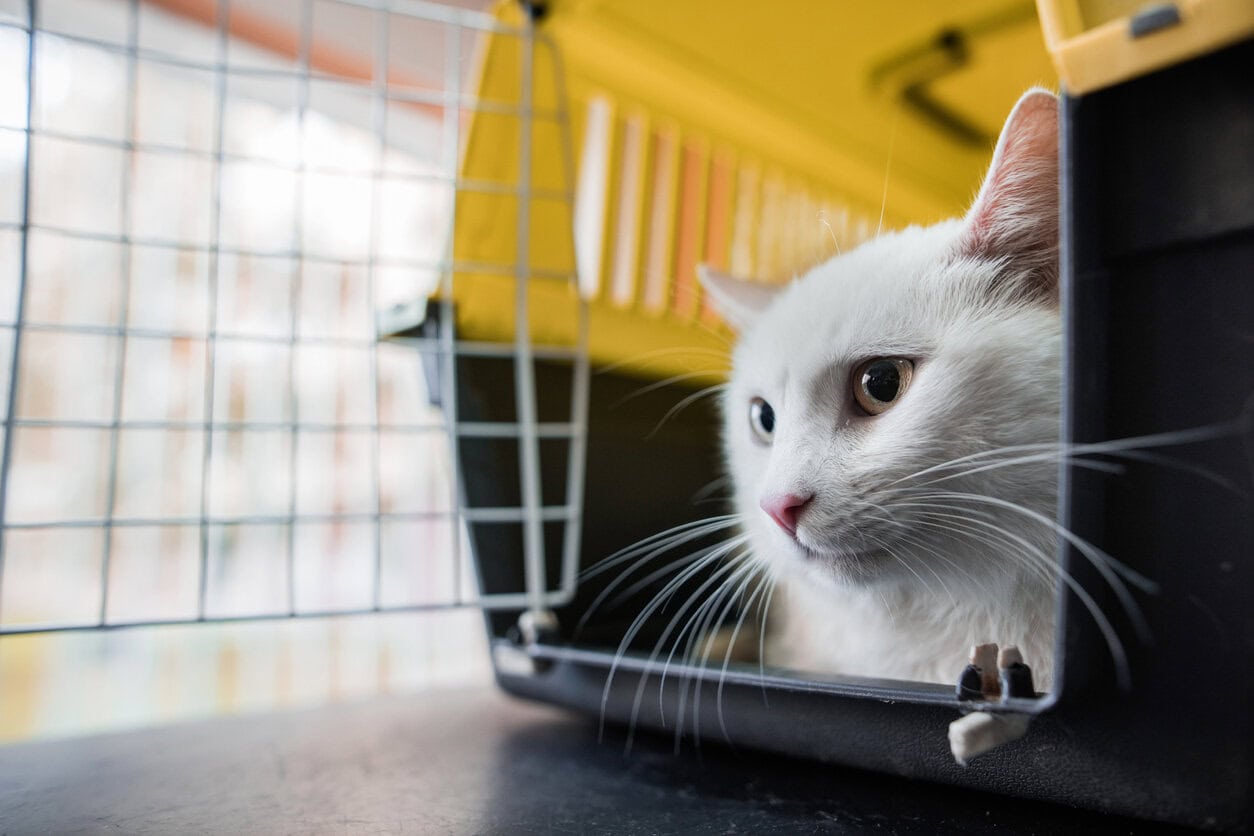
Cats and their whiskers create an irresistibly adorable combination. Whether they’re exuberant like a grand mustache or demure and flirtatious, these feline facial bristles are much more than just cute accessories.
In fact, cats rely on their whiskers for many of their incredible feats. These specialized hairs play crucial roles in their daily lives, making them interesting and essential features of feline anatomy.
Here are little-known facts about these spectacular, specialized hairs.
“Whisker” Is an Old Word

The word “whisker” dates back to around 1600. It was formed from the Middle English word “wisker,” which referred to anything that whisks or sweeps.
Originally, it was used to describe a human mustache or beard. Soon after, it became the term for the antennae-like hair of animals—and why not? Your cat’s whiskers are, in a way, like a miniature broom, sweeping and sensing the environment around them.
Whiskers Are Thicker Than Hair
Whiskers, also known as “vibrissae” or tactile hairs, are two to three times thicker than regular cat hair and have roots three times deeper. The ones on either side of the muzzle are called mystacial whiskers.
But whiskers also appear on their jaws, above the eyes, near the ears, and on the back of the forelegs—all strategically placed areas where a cat needs to gather vital information about its surroundings. These whiskers are essential for helping cats navigate their world.
Cats Have a Set Number of Mystacial Whiskers
Cats typically have 24 mystacial whiskers—12 on each cheek, arranged in four horizontal rows of three. These are the longest of the facial vibrissae, and while some cats might have more than 24, the total number is usually even.
The whiskers must be symmetrically distributed on either side of the face so that the cat can accurately read its environment. This symmetry allows cats to move with the precision and agility they’re known for, especially in low-light conditions.
They Are Sensitive

Unlike human hair, a cat’s whiskers are deeply embedded and connected to the nervous system. The tips of these keratin threads are equipped with sensory organs called proprioceptors, which send messages to the brain, helping the cat determine an object’s distance, direction, and even texture.
They function similarly to a human’s sense of smell or vision, making them incredibly important for a cat’s spatial awareness. This is why a cat’s whiskers should never be cut; doing so can disorient them and affect their ability to navigate their surroundings safely.
Cats Can Have Whisker Stress
A cat’s whiskers are so sensitive that using a narrow food or water bowl can cause “whisker stress.” This condition occurs when the whiskers repeatedly touch the sides of the dish, causing discomfort and even pain.
If your cat scoops food out with its paw or knocks food onto the floor to eat, it might be experiencing whisker stress. Consider switching to a wider bowl to prevent this issue. A simple change in dish size can significantly improve your cat’s eating experience.
Whisker Size Corresponds to the Size of the Cat
A cat’s whiskers are proportionate to the width of its body (including fur), helping the cat determine whether it can fit through narrow spaces. Generally, the chubbier or fluffier the cat, the longer its whiskers.
For example, a Maine coon cat—the largest domesticated cat breed—might have six-inch-long whiskers, whereas the almost hairless Cornish Rex’s whiskers are typically short and curly.
Interestingly, a Finland-based Maine coon cat named Fullmoon’s Miss American Pie (aka “Missi”) holds the record for the longest whiskers in the world.
In 2005, the Guinness World Records measured them at a whopping seven and a half inches long. This length showcases just how diverse and unique cat whiskers can be, depending on the breed and size of the feline.
Leg Whiskers Help With Hunting

While facial whiskers help a cat size up spaces and detect objects, leg whiskers serve a different purpose. The sensory tendrils on the back of the front legs, known as carpal whiskers, help cats climb trees and hunt prey.
When holding prey in their front paws, these whiskers let the cat know whether its catch is still moving (since cats can’t see well up close) and if it’s in a position for a fatal bite. This additional sensory input is crucial for a cat’s hunting success, especially when dealing with fast or elusive prey.
Cats Can Move Their Whiskers
Each mystacial whisker is connected to a muscle “sling,” allowing the cat to move them independently. Large muscles surrounding the whiskers can also move them all together. A cat may fan out or direct its whiskers forward when hunting or yawning, which enhances their ability to detect movement and changes in their environment.
They can also pull them back against their cheeks, a movement often seen when cats are relaxed or content. This ability to control their whiskers adds another layer of complexity to a cat’s sensory world.
Whiskers Reveal a Cat’s Mood
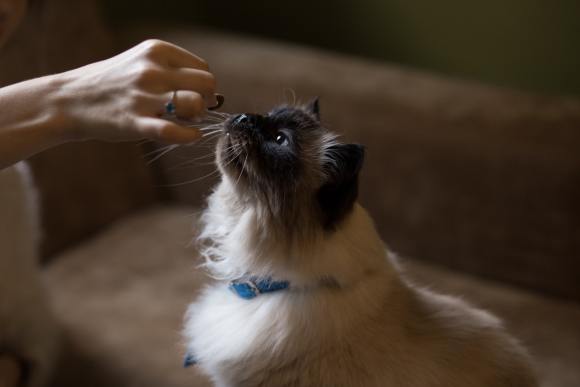
Whiskers can also serve as indicators of a cat’s emotional state. Relaxed whiskers that point to the sides suggest a content cat, while whiskers pinned back against the face usually indicate fear or anxiety. Forward-pointing whiskers, coupled with erect ears, often signal alertness, particularly when a cat is focused on hunting.
Conversely, forward-pointing whiskers with ears flattened back are usually a sign of aggression. Understanding these subtle whisker movements can give cat owners valuable insights into their pet’s mood and behavior.
They Shed
Whiskers should never be trimmed, but they do go through natural growth, dormancy, and shedding phases, just like fur. Finding a lost whisker around the house now and then is normal—they grow back on their own.
However, if you notice a sudden increase in shed whiskers, it could be a sign of underlying health issues, such as allergies, infections, trauma, or even cat acne. Monitoring the frequency and pattern of whisker shedding can help you catch potential health problems early and ensure your cat remains healthy and comfortable.
Leave a Reply