

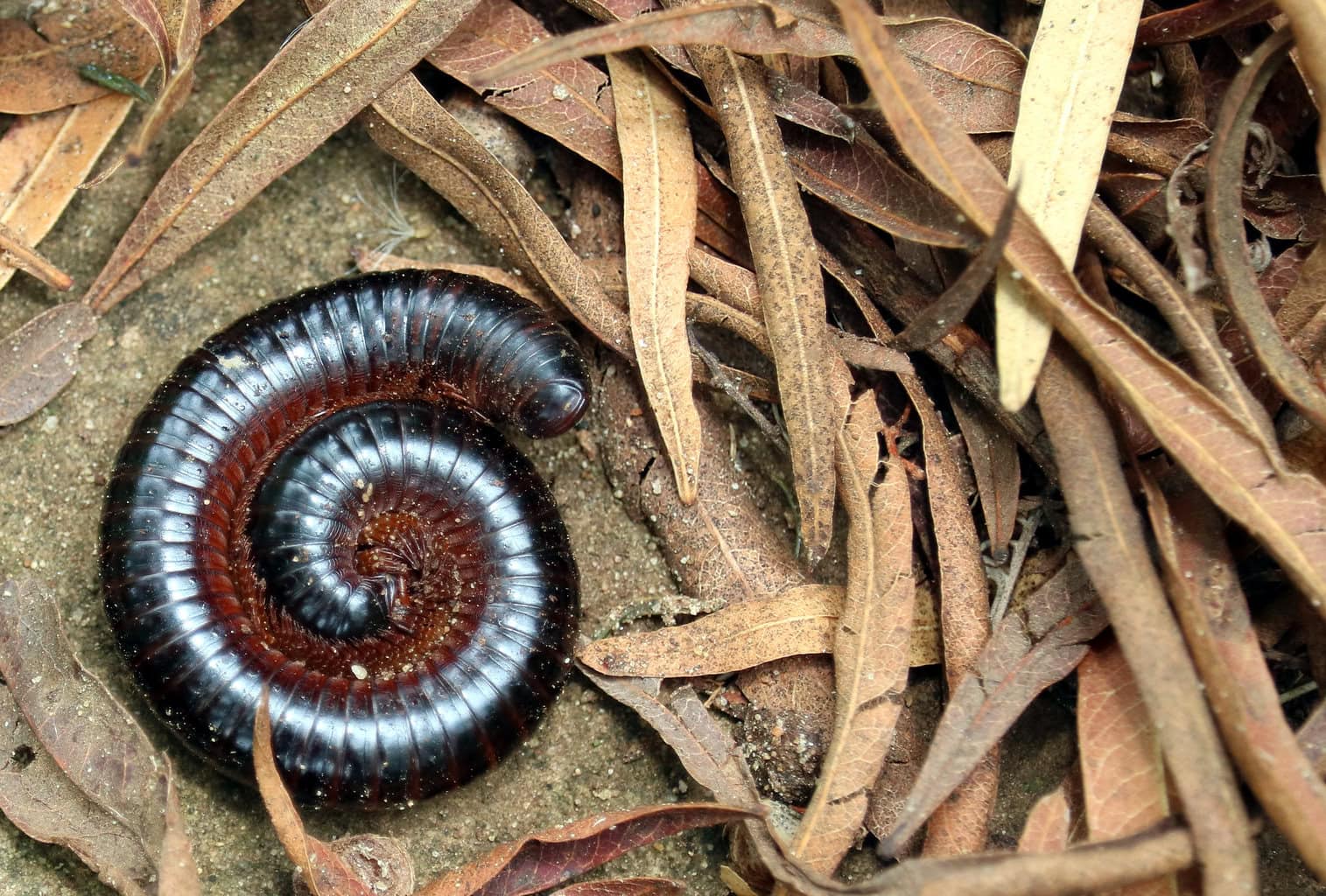
Millipedes are often overlooked in the animal kingdom, but these gentle decomposers play a crucial role in maintaining the health of forest ecosystems worldwide. They might not be the flashiest creatures, but millipedes have unique characteristics that make them truly fascinating.
From their ancient origins to their surprisingly intricate behaviors, these facts highlight why millipedes deserve more attention. Interested? Follow through, mates.
Millipedes and Their Misleading Name
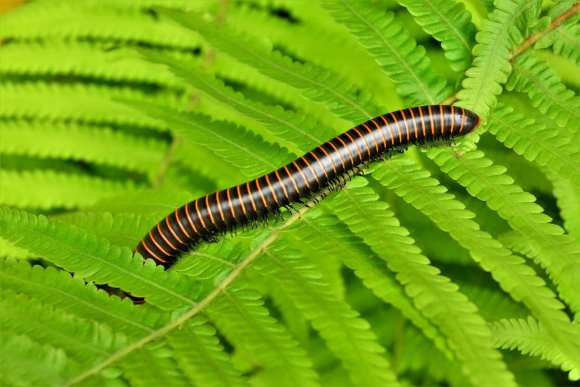
The name “millipede” might suggest that these creatures have a thousand legs, but this is a bit of a misnomer. Despite the name, no known millipede species actually has 1,000 legs. Most have far fewer, with the species holding the record boasting only 750 legs.
While this number is impressive, it still falls short of the thousand legs that their name implies. On average, most millipedes possess fewer than 100 legs, but their numerous legs still make them some of the most multi-legged creatures on Earth.
Two Legs per Segment
What sets millipedes apart from their often-confused cousins, the centipedes, is the number of legs per body segment. Millipedes have two pairs of legs on almost every body segment, while centipedes have only one pair per segment.
If you were to flip a millipede over, you would notice this distinctive arrangement. Interestingly, the first body segment of a millipede is legless, and the following few segments vary depending on the species, adding to the diversity among these creatures.
Millipede Hatchlings
Millipedes undergo a unique growth process known as anamorphic development. When millipedes hatch, they begin life with only six body segments and three pairs of legs. As they grow and molt, they add more segments and legs with each molt.
By the time they reach adulthood, millipedes have numerous segments and hundreds of legs. This incremental growth process helps them stay hidden from predators during their vulnerable molting periods, which typically occur in the safety of an underground chamber.
Defense Through Coiling
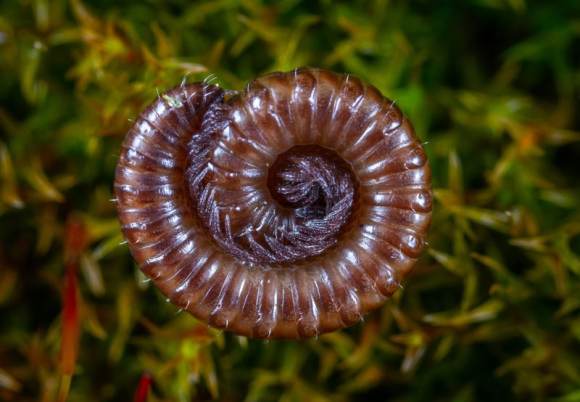
Millipedes are not built for speed, so when faced with danger, they rely on a different defense strategy: coiling into a tight spiral. This behavior helps protect their soft, vulnerable undersides by exposing only the hardened, armored plates on their backs, known as tergites. By curling up, millipedes create a formidable barrier against potential predators, effectively turning their bodies into a living shield.
Chemical Warfare
While millipedes may appear defenseless at first glance, they have some surprising ways of fending off predators. Many millipedes possess specialized glands called ozopores, which secrete a noxious, foul-smelling substance.
This chemical defense can deter predators from taking a bite. In some species, these secretions are potent enough to cause skin irritation or blistering in humans. Therefore, it’s wise to wash your hands after handling a millipede, just to be safe.
Courting with Songs and Back Rubs
When it comes to romance, male millipedes have developed some interesting tactics to woo their potential mates. In many species, males use gentle persuasion to gain the female’s favor. This can include walking on the female’s back, giving her what can be considered a “back rub” with their many feet.
Some species even take it a step further by producing soothing sounds to calm the female. These sounds, known as stridulations, are created by rubbing body parts together, adding a musical element to their courtship rituals.
Special “Sex” Legs for Mating
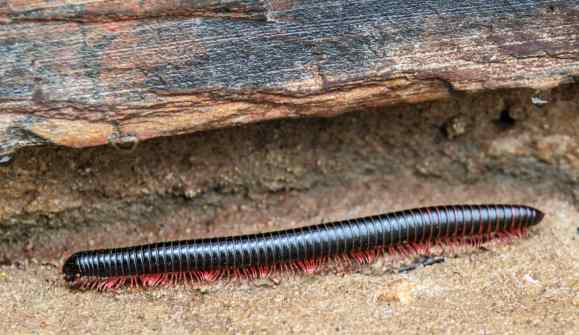
Millipedes have a unique way of mating that involves specially adapted legs called gonopods. These modified legs, which replace the normal legs on the seventh segment of the male’s body, are used to transfer sperm to the female.
The gonopods are crucial for reproduction, and their presence is a key way to distinguish males from females. If a female millipede is receptive to the male’s advances, the gonopods are used to deliver a sperm packet directly to her reproductive organs, ensuring the continuation of the species.
Egg Laying and Nest Building
After mating, female millipedes take great care in preparing for the arrival of their offspring. They burrow into the soil to create a safe nest where they lay their eggs. In some species, the female even constructs protective capsules around the eggs using her own feces, which consists of recycled plant matter.
This organic casing helps protect the developing embryos from environmental hazards and predators. Depending on the species, a female millipede can lay over 100 eggs, with the young emerging after about a month.
Longevity in the Arthropod World
Millipedes may be slow and unassuming, but they are surprisingly long-lived compared to other arthropods. Their strategy of slow, steady growth and a largely passive lifestyle allows them to outlast many of their more aggressive invertebrate counterparts.
This extended lifespan, combined with their role as decomposers, makes millipedes essential contributors to their ecosystems. By breaking down decaying plant material, they help recycle nutrients back into the soil, supporting the health of the forests they inhabit.
Pioneers of Land Life
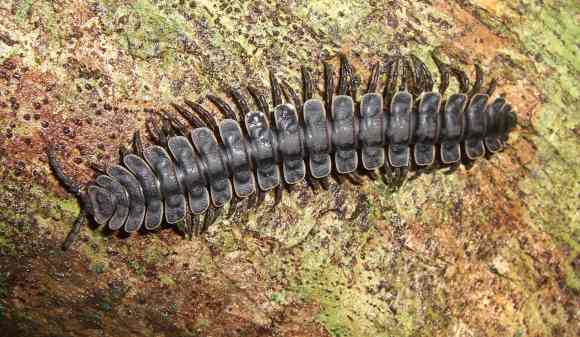
Millipedes hold a special place in the history of life on Earth. Fossil evidence suggests that they were among the first animals to make the transition from water to land. The oldest known millipede fossil, Pneumodesmus newmani, dates back approximately 428 million years and was discovered in Scotland.
This fossil is significant because it shows the presence of spiracles, which are openings used for breathing air, indicating that millipedes were some of the earliest terrestrial animals. This remarkable adaptation allowed them to thrive on land long before many other creatures followed suit.
Interesting, Isn’t It?
Millipedes may not be the most glamorous creatures in the animal kingdom, but they are undoubtedly fascinating. Their unique adaptations, from their numerous legs to their chemical defenses, make them a vital part of the ecosystems they inhabit.
These slow-moving decomposers have a rich evolutionary history and continue to play a crucial role in maintaining the balance of nature. By understanding more about these incredible creatures, we can appreciate the diversity of life that exists in even the smallest corners of our world.
Leave a Reply