


Around the world, billions of people don’t have electricity. But something quiet and important is happening. Small-scale clean energy projects, like tiny windmills and solar panels on roofs, are giving power to these people.
This isn’t just about getting light, it’s helping to end poverty and make communities stronger, from big cities like London to places in Africa.
Making Power Locally

Small-scale clean energy means making electricity in small amounts, right where it’s needed. This can be done by small businesses, groups of people in a community, or even individual homes. Instead of getting power from big, far-away power plants through long wires, people make their own.
There are different ways to do this such as using or building small windmills, installing solar panels, and utilizing small water power with small water turbine. The great thing about this small-scale power is that it saves money and is good for the environment.
At first, it might cost some money to buy and set up things like solar panels or small windmills. But after that, the electricity is free from the sun, wind, or water.
This means lower electricity bills. In some cases, if people make more power than they need, they can even sell it back to the main power grid and earn money.
Giving Power to the Poor
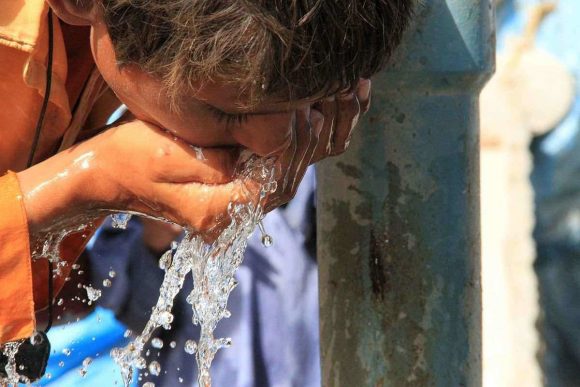
For many poor communities around the world, not having reliable electricity makes life very hard. It affects their health because clinics can’t run properly. It affects education because children can’t study at night.
And it affects jobs and businesses because there’s no power for tools or lights. Having electricity is a basic human right, and small-scale clean energy can provide this power without adding to the problem of climate change (by releasing greenhouse gases).
A charity called the Solar Electric Light Fund (SELF) has been working since 1990 to bring solar power to poor communities. By giving them a reliable source of clean energy, SELF has helped people live better lives and create new ways to earn money. For example, in China, where many people have gotten solar power, thousands of families have seen their income increase a lot.
Sometimes, communities create their own small power grids, called community microgrids. These can provide safe, clean energy for neighborhoods, villages, towns, and even parts of cities. These projects might take longer to set up than projects for just one business or building. But when they succeed, they can make the community much stronger and more able to take care of its own energy needs.
Around The World

Across the globe, communities are starting to control their own power, using smart new tools. Take Brooklyn, New York, for example. They’re using a special computer technology called blockchain to run their local power systems, known as microgrids. Think of a microgrid as a mini-power plant that can work on its own.
Blockchain helps make sure the electricity supply is always reliable, meaning it’s always there when you need it. It also encourages people to make their own energy, like from solar panels on their roofs, and use it right there in their neighborhood. This makes the whole community’s power supply much safer and more secure from blackouts.
It’s also getting cheaper to use small, clean energy systems, like those rooftop solar panels. This big change means more people can now produce and manage their own electricity. Even top scientists at Microsoft are getting involved, using AI (Artificial Intelligence) to help make sure clean energy is available to everyone.
AI can manage these small power grids, making them even more dependable, which is super important in places where big power systems might get knocked out by things like bad storms, cyberattacks, or other big problems.
When you use AI and blockchain together in these microgrids, they can do amazing things. They can predict when equipment might need fixing before it breaks, automatically buy and sell energy between homes that have solar panels, and make sure power is sent out in the very best way.
All this helps these small energy systems work more efficiently and saves money. Eventually, these advanced microgrids could become perfect examples for creating even bigger, greener energy systems in both big cities and quiet rural areas.
Making a Difference with Clean Energy

Beyond just technology, groups of people – regular neighbors, small businesses, and local organizations – are teaming up to create, manage, and share clean energy. We call these groups local energy communities.
They’re playing a huge part in spreading clean energy worldwide. These projects, run by the community itself, use clean technologies, waste less energy, provide a steady supply of power, help people save money on their electricity bills, and even create jobs right in their local area.
Because of all these great benefits, they’re seen as an excellent way to build fairer and more open energy systems where everyone has access. When people in a community are actively involved in clean energy projects, it brings really significant social and economic benefits to their area.
The more people who own and are involved in clean energy, the faster the world can move towards sustainable energy. This is a key point that governments and energy planners should really focus on, because it also helps with being fair to everyone in society and boosting the economy.
It’s no surprise that these energy communities are also super important in the fight against climate change. By making and using their own clean energy, they help their local economies grow and are a vital part of the global shift to clean energy.
For example, in several African countries like Ghana, Kenya, Nigeria, and Uganda, projects that build small power grids have successfully given electricity to homes and businesses using clean, sustainable energy.
These projects use solar power and batteries to replace old, polluting generators, giving people access to energy and supporting long-term, sustainable growth.
Bright (Clean) Light
Small-scale clean energy is a big shift in how we can provide energy, especially for poor communities around the world. By using technologies like solar panels, small windmills, and small water power systems, people can get clean, reliable electricity and also improve their economic and social well-being.
Success stories like the microgrids in Brooklyn and the small power grids in Africa show the real benefits of these systems, including stronger communities, energy independence, and local jobs. New technologies like AI and blockchain can make these solutions even better and more widespread.
Government policies and cooperation are essential to push this green economy forward. Good rules, clean energy goals, and funding help these small-scale projects get the support they need. It’s also important for governments to work with communities to make sure the projects fit local needs and gain the trust and involvement of the people.
With new technologies, supportive government policies, and action at the local level, small-scale clean energy is a powerful way to fight poverty and protect the environment. It puts the power in the hands of the people and creates a brighter future for everyone.
Sources:
Leave a Reply