


Think about a big hole in Finland where people used to dig for metals like zinc and copper. That place is called Pyhäsalmi mine. It’s really deep, going down more than 1,400 meters. But now, they don’t dig there anymore. It’s all quiet.
But wait, something exciting is happening. There’s a company from Scotland called Gravitricity. They have a really cool idea. They want to change this old mine into a place to save energy using gravity.
You might wonder how it works. Well, it’s like this: When there’s too much energy, like when the wind blows really strong, they use that extra energy to lift heavy things up the tall hole in the mine. It’s like winding up a big spring, storing energy for later when we need it.
This isn’t just about fancy technology. It’s also about helping the people who live near the mine. See, the mine is in a small town called Pyhäjärvi. When the mine closed in 2022, lots of people lost their jobs. But now, with this gravity battery project, there’s hope for new jobs that won’t hurt the environment.
So, you see, it’s not just about fixing up the old mine. It’s about making it useful again in a way that helps everyone. This project in Finland shows how we can use old things in new ways to make our world cleaner and better for everyone.
How It Works
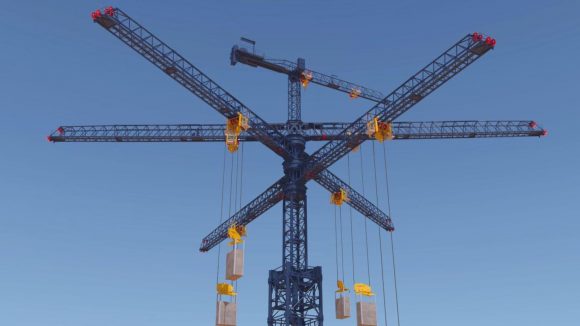
Imagine a towering structure made of massive concrete blocks, standing tall against the sky. Now, picture these blocks not just as parts of a building, but as components of a groundbreaking energy storage system. This innovative method aims to harness the force of gravity to store and release energy, offering a sustainable solution to power homes and businesses.
Here’s the nitty-gritty of how it operates: When there’s surplus energy generated from renewable sources like wind or solar power, the system swings into action. It uses this excess energy to stack up the concrete blocks, effectively storing it for later use. It’s like charging up a gigantic battery, but instead of using chemicals or traditional methods, it harnesses the power of gravity and kinetic energy.
Let’s break it down further. When the concrete blocks are lifted to the top of the structure, they store potential energy, just like a wound-up spring ready to release its energy when needed. Later, when energy demand is high or renewable sources aren’t available, the blocks are released one by one, guided by the force of gravity.

As each block descends, it drives a series of mechanical actions, converting gravitational potential energy into kinetic energy. This kinetic energy is then transformed into electricity through a process similar to how hydroelectric dams generate power from flowing water. Essentially, the falling blocks act as a source of mechanical energy, which is then converted into electrical energy that can be used to power homes and businesses.
But it’s not just about releasing energy when needed; it’s also about efficiency and sustainability. The system boasts impressive efficiency levels, with the ability to store and retrieve energy with minimal loss. Additionally, the use of recycled concrete for the blocks not only reduces construction costs but also addresses environmental concerns by repurposing waste materials.
Furthermore, the versatility of the system is worth noting. It can adapt to different energy demands and locations, with customizable configurations to meet specific needs. Whether it’s providing short-term bursts of power during peak demand or serving as a reliable backup during emergencies, the concrete-based energy storage system offers a flexible and resilient solution to energy storage challenges.
Why It Is Good
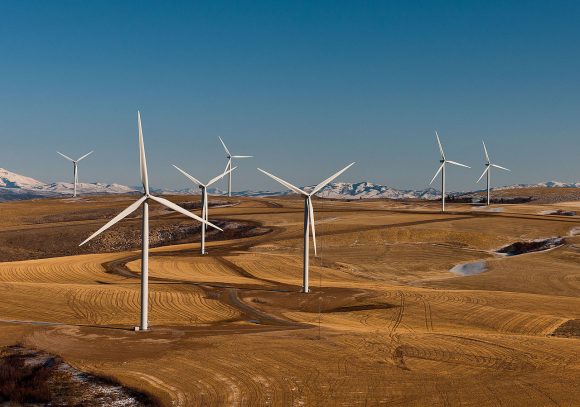
For a long time, people have wanted to use natural forces like the sun and wind to power our homes. In the past, farmers in places like Indonesia used river currents to power watermills for their work.
Now, in modern times, more and more people realize that we can’t keep depending on things like coal and oil for energy. That’s why renewable energy, like solar and wind power, is becoming more popular.
But there’s a problem with renewable energy: it’s not always available when we need it. For example, solar panels don’t work well on cloudy days, and wind turbines need wind to spin.
That’s where the concrete battery comes in. While others focus on making renewable energy, Energy Vault focuses on storing it. They use gravity and kinetic power, which is energy from moving objects, to make their batteries work.
Here’s how it works: When there’s extra energy from things like wind or sun, they use it to stack up the concrete blocks. Later, when we need energy, they let the blocks fall down, and the energy from that movement gets turned into electricity.
What’s great is that these batteries can store a lot of energy, and they can last a long time. Plus, they’re made from recycled concrete, which helps reduce waste and makes them cheaper to build.
And it’s not just good for the environment—it’s good for people, too. The company plans to build these batteries all over the world, so everyone can have access to clean, reliable energy. With this innovation, we’re one step closer to a future powered by renewable energy, available to everyone, everywhere.
Impact in Finland Community
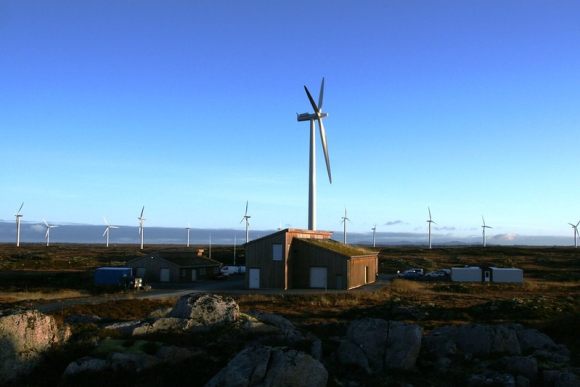
Now, let’s zoom in on how this gravity battery project isn’t just about technology—it’s also about transforming communities for the better. Think about people of Pyhäjärvi, that once was livened by Pyhäsalmi mine.
With the advent of the gravity battery project, hope flickers anew in Pyhäjärvi. This initiative isn’t just about repurposing an old mine; it’s about revitalizing the local economy and creating new opportunities for residents. By transforming the mine into a hub for clean energy innovation, the project brings the promise of new jobs that align with environmental values.
Imagine local residents finding employment in roles that contribute to a greener future, whether it’s in the construction of the gravity battery infrastructure or in supporting industries that emerge around renewable energy. These “low carbon jobs” not only provide livelihoods but also foster a sense of pride and purpose in a community deeply connected to its industrial heritage.
Also, the project opens doors for similar initiatives worldwide. Communities facing economic downturns due to the closure of mines or other industries can look to Pyhäjärvi as inspiration for revitalization through renewable energy innovation.
Sources:
Leave a Reply