


As businesses and governments around the world grapple with the urgent need to address climate change and reduce carbon emissions, more attention is being paid to the role of commuting in environmental impact. In many urban areas, the daily commute is one of the largest contributors to air pollution, greenhouse gas emissions, and traffic congestion.
Encouraging employees to adopt environmentally friendly commuting habits is not only a matter of corporate social responsibility, but it also helps improve public health, reduce urban traffic, and mitigate the effects of climate change.
One effective strategy that companies are increasingly adopting to promote greener commuting practices is offering transportation stipends. A stipend is a fixed, regular payment provided to an individual, typically to cover specific expenses or support activities, rather than as compensation for work or services (you can learn more about offering stipends with this Benepass stipend guide).
Transportation stipends provide financial incentives for employees to choose eco-friendly transportation options over traditional, high-emission modes of travel, such as driving alone in gasoline-powered cars. By offering transportation stipends, companies can help reduce their environmental footprint, while simultaneously benefiting their employees and contributing to broader sustainability goals.

Transportation Stipends as a Catalyst for Green Commuting
A transportation stipend is a financial benefit that employers provide to their employees to help cover the cost of commuting. While traditionally this has included allowances for parking or mileage reimbursements, modern transportation stipends can be designed to support a wide range of commuting options, including public transit, biking, carpooling, and the use of electric vehicles (EVs). This shift in focus encourages employees to make environmentally friendly choices when deciding how to get to work.
1. Encouraging Public Transit Use

One of the most direct ways that transportation stipends can promote environmentally friendly commuting habits is by encouraging employees to use public transportation. Trains, buses, and subways are significantly more energy-efficient than private cars, as they reduce the number of vehicles on the road and lower per-capita fuel consumption. According to the U.S. Department of Transportation, public transit produces less than half the carbon emissions of private vehicles per passenger mile traveled.
By offering stipends that cover the cost of monthly public transit passes, employers can make taking the bus, train, or subway more financially attractive than driving. Many employees are more likely to opt for public transportation if it is free or heavily subsidized through a stipend program. This shift reduces the number of cars on the road, directly cutting down on traffic congestion and reducing carbon emissions.
2. Supporting Cycling and Walking

In addition to public transit, transportation stipends can also be structured to support cycling and walking to work—both of which are zero-emission modes of transportation. For employees who live within a reasonable distance from their workplace, biking or walking can be both environmentally friendly and beneficial for physical health.
Employers can offer stipends that cover the costs associated with cycling, such as purchasing a bike, bike maintenance, and accessories like helmets or lights. By reducing the financial barriers to cycling, companies can encourage more employees to leave their cars at home and choose this eco-friendly alternative. Furthermore, organizations can invest in infrastructure, such as bike racks or showers, to make cycling to work more convenient.
Walking to work, while cost-free for employees, can still be encouraged through other incentives, such as allowing flexible start times or shorter workweeks for employees who commit to walking or cycling a certain number of days each week.
3. Incentivizing Carpooling and Ridesharing

While driving alone is one of the least environmentally friendly commuting options, carpooling or ridesharing can significantly reduce the environmental impact of car travel. Carpooling allows multiple employees to share a ride, which reduces the number of vehicles on the road and decreases overall fuel consumption.
Companies can offer transportation stipends that reward employees who participate in carpooling programs, either by covering a portion of the fuel costs or providing additional incentives for those who regularly carpool.
Technology has made ridesharing more accessible than ever, with platforms like Uber and Lyft offering shared ride options that allow multiple passengers to travel together. Employers can integrate ridesharing stipends into their transportation benefits programs to encourage employees to use these services, especially in areas where public transit may not be a convenient option.
4. Supporting the Adoption of Electric Vehicles
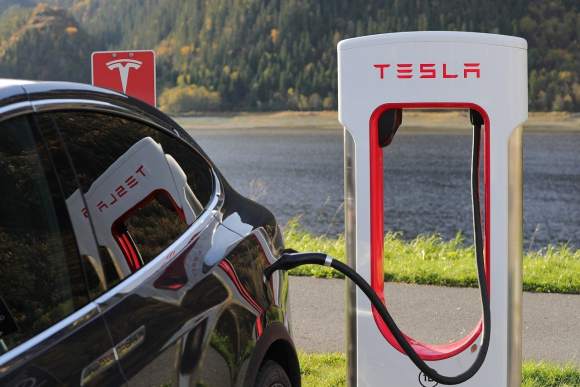
While not entirely emission-free, electric vehicles (EVs) produce significantly fewer emissions than traditional gasoline-powered cars. As part of a transportation stipend program, companies can offer stipends or reimbursements for employees who purchase or lease electric vehicles. Additionally, employers can install EV charging stations in company parking lots to support employees who make the switch to electric vehicles.
By reducing the financial burden of purchasing an EV or providing access to charging infrastructure, employers can play a role in accelerating the transition away from fossil fuel-powered cars.
The Broader Impact of Transportation Stipends
Offering transportation stipends that promote environmentally friendly commuting habits has benefits that extend far beyond reducing carbon emissions.
1. Improving Employee Well-Being
Supporting green commuting options like walking, cycling, or public transit can improve employees’ physical and mental well-being. Active commuting, such as biking or walking, can increase fitness levels and reduce stress, while public transit allows commuters to relax, read, or catch up on work during their ride, rather than dealing with the stress of driving in traffic.

2. Reducing Traffic Congestion
Fewer single-occupancy vehicles on the road means less traffic congestion. This not only reduces commute times for everyone, but it also leads to smoother traffic flow, which can further reduce emissions by preventing cars from idling in traffic jams.
3. Enhancing Corporate Sustainability and Reputation
By offering transportation stipends that promote sustainable commuting, companies can demonstrate their commitment to environmental responsibility. This not only helps meet corporate sustainability goals but also improves the organization’s public image, which can be a valuable asset when attracting environmentally conscious customers, partners, and employees.
Transportation stipends are a powerful tool that employers can use to encourage environmentally friendly commuting habits. By financially supporting alternatives to solo car travel—such as public transit, cycling, walking, carpooling, and electric vehicle use—companies can significantly reduce their environmental impact while enhancing employee well-being and contributing to more sustainable urban environments. As businesses continue to prioritize sustainability, offering transportation stipends is a simple yet effective strategy that benefits both the planet and the people.
Leave a Reply