


Solar panels have become a cornerstone of renewable energy, providing a sustainable solution to meet the world’s growing energy demands. From powering individual appliances to supplying entire homes with electricity, solar panels are an increasingly popular choice.
It is especially for homeowners looking to reduce their reliance on fossil fuels and lower their energy bills. But how exactly do solar panels work, and what factors influence their performance? Let’s explore the basics of solar panel output, efficiency, and their role in sustainable living.
How Solar Panels Generate Electricity
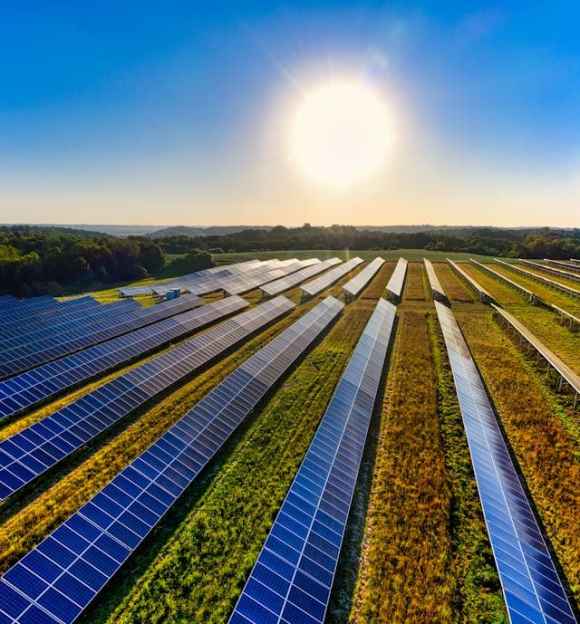
Solar panels harness energy from the sun and convert it into electricity using photovoltaic (PV) cells. These cells absorb sunlight and generate direct current (DC) electricity, which is then converted into alternating current (AC) by an inverter for use in homes.
Domestic solar panels typically produce between 250 and 400 watts per panel, which is enough to power a household appliance, such as a refrigerator, for an hour. To calculate how much energy a solar panel generates daily, multiply its wattage by the average hours of sunlight it receives. For example, a 250-watt panel receiving six hours of sunlight produces 1,500 watt-hours (1.5 kWh) of electricity daily.
Understanding Power Units
To understand solar panel output, it’s important to grasp the difference between power and energy:
Watt (W) and kilowatt (kW): These are units of power, indicating how much energy a panel can produce at a given moment.
Watt-hour (Wh) and kilowatt-hour (kWh): These measure energy over time, showing how much work (like running an appliance) can be done in one hour.
For instance, a 250-watt panel producing 1.5 kWh in a day could power an LED lightbulb for 150 hours or a small air conditioner for about one hour.
The Role of Solar Panel Systems
A single solar panel cannot meet the energy demands of a home, but a system combining multiple panels can. For context, the average American household uses approximately 10,715 kWh annually (about 29 kWh daily). Installing a solar system with 20 panels of 250 watts each could generate 30 kWh daily, enough to power the average home under optimal conditions.
Factors Affecting Solar Panel Performance

Solar panel efficiency depends on several variables beyond just sunlight exposure. Understanding these factors can help homeowners maximize their system’s output:
1. Weather and Sunlight Availability
Solar panels perform best under clear, sunny skies. However, on cloudy days, their output may drop to 10%-25% of their normal capacity. For example, a 250-watt panel might generate only 0.15 to 0.37 kWh during cloudy weather. Despite this limitation, panels can still provide energy year-round, even in winter.
2. Cleanliness and Maintenance
Dirt, leaves, bird droppings, and snow can block sunlight from reaching solar panels, reducing efficiency by up to 6.5%. Regular cleaning ensures that panels operate at their full potential, especially in areas prone to dust or heavy foliage.
3. Panel Orientation and Angle
For optimal performance, solar panels should face south-east to south-west at an angle of 30-45 degrees. Poor orientation or shading from trees or buildings can significantly decrease energy output. Minimal shading during morning or evening hours is acceptable, but prolonged shading during peak sunlight can drastically impact production.
4. Location and Climate
Regions with more consistent sunlight, such as southern U.S. states, tend to yield higher solar output than areas with frequent cloud cover. Solar calculators, such as the National Renewable Energy Lab’s solar resource maps, can help homeowners estimate their location’s solar potential.
5. Aging and Temperature Effects
Over time, solar panels lose efficiency at a rate of about 0.5% per year, meaning a panel may operate at 88% efficiency after 25 years. Additionally, while solar panels can function in cold weather, their efficiency may drop slightly in extreme heat above 77°F, which is the standard test temperature.
Solar Panel Types and Efficiency

Not all solar panels are created equal. The type of panel you choose affects its efficiency, cost, and lifespan:
1. Monocrystalline Panels
Efficiency: ~24.4%
Features: Made from pure silicon, these panels are highly efficient and long-lasting, making them the most popular choice for residential systems.
Cost: Moderate.
2. Polycrystalline Panels
Efficiency: ~19.9%
Features: Composed of silicon crystals melted together, these panels are less efficient but more affordable than monocrystalline options.
Cost: Low.
3. Thin-Film Panels
Efficiency: ~18.9%
Features: Lightweight and flexible, these panels use various materials and are suitable for portable or unconventional installations. However, they have shorter lifespans.
Cost: High.
Choosing the right type of panel depends on your budget, space availability, and energy needs. Higher-efficiency panels generally cost more upfront but produce more electricity over their lifespan, offering greater long-term value.
Maximizing Solar System Efficiency
Homeowners can take proactive steps to ensure their solar panels perform at their best:
1. Clean Panels Regularly
Dirt and debris reduce sunlight absorption. Cleaning panels at least twice a year or after heavy storms ensures consistent performance.
2. Optimize Panel Placement
Installing panels in a south-facing direction at the proper angle maximizes exposure to sunlight. Automatic solar trackers can adjust panel angles throughout the day for even better efficiency.
3. Minimize Shading
Prune nearby trees and ensure panels are installed away from buildings or objects that could block sunlight.
4. Upgrade to Efficient Systems
Investing in higher-efficiency panels or systems with built-in optimizers can increase energy production without requiring additional space.
5. Monitor Output and Maintenance
Use solar monitoring systems to track energy production and identify issues like underperforming panels or inverters. Regular maintenance extends the life of the system. Working with a reputable solar energy contractor—who has extensive experience installing and servicing residential PV systems—can further enhance system performance, ensure safety, and help identify potential issues before they affect efficiency.
The Environmental and Economic Benefits of Solar Panels
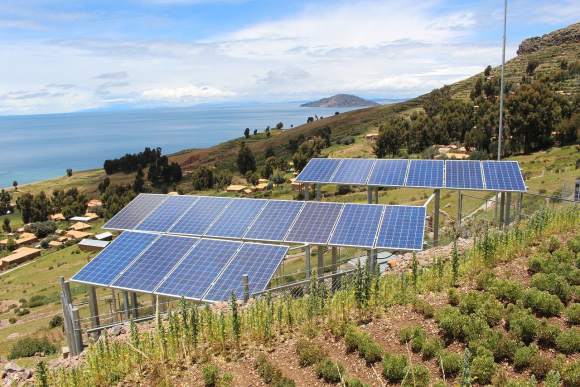
Switching to solar power offers significant advantages for both homeowners and the planet:
Environmental Impact
Solar panels produce clean, renewable energy, reducing dependence on fossil fuels. Over their 25-year lifespan, a solar system can offset thousands of pounds of CO2 emissions, contributing to cleaner air and a healthier environment.
Economic Savings
While the upfront cost of solar installation can be high, federal tax credits and incentives significantly reduce this expense. Over time, homeowners save on energy bills, with many recouping their investment within 8-12 years.
Energy Independence
Generating your own electricity reduces reliance on the grid and provides protection against rising energy costs. Battery storage systems can further enhance energy security, allowing homeowners to store excess power for use during outages.
Solar panel is one of the most popular alternatives to fossil-fueled electricity source. With the right maintenance and usage like mentioned above we can maximize the impact of our conversion.
Sources:
Leave a Reply