


Elephants, the majestic giants of Africa and Asia, have long captivated the human imagination. These intelligent and social creatures are not only the largest land animals on Earth but also some of the most emotionally complex and ecologically important.
In this article, we will talk about ten facts about elephants, from their unique physical characteristics to their crucial role in ecosystems and the threats they face from human activities.
The Three Species of Elephants
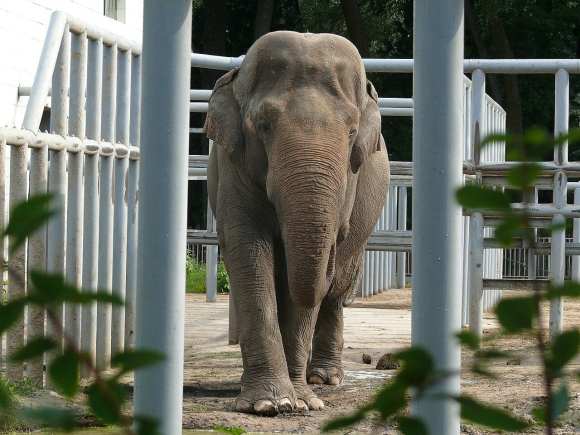
The elephant family is comprised of three distinct species: the African bush elephant (Loxodonta africana), the African forest elephant (Loxodonta cyclotis), and the Asian elephant (Elephas maximus).
African bush elephants are the largest, with males reaching up to seven tons, making them the largest terrestrial animals on the planet. In contrast, African forest elephants are smaller and adapted to the dense forests of Central and West Africa.
Asian elephants, while slightly smaller than their African counterparts, are still formidable, with males weighing up to five tons. Each species has unique adaptations to their environments, contributing to their survival in diverse habitats.
About The Elephant’s Trunk
An elephant’s trunk is perhaps its most distinctive and versatile feature. This elongated nose and upper lip serve a multitude of functions, from breathing, smelling, and eating to more complex tasks like picking up objects, grasping tree branches, and even caressing other elephants as a sign of affection.
The trunk contains over 100,000 muscle units, allowing it to perform delicate tasks such as shelling a peanut without breaking the kernel or wiping away dust from the elephant’s eyes. This incredible dexterity and strength make the trunk an indispensable tool for survival.
Elephant Ears Cooling System
Given their massive size and the hot climates in which they live, elephants have evolved a unique way to regulate their body temperature. The large ears of elephants are not just for hearing; they function as natural cooling systems.
Lined with a dense network of blood vessels, the ears help dissipate heat by transferring it from the blood to the surrounding air. By flapping their ears, elephants can increase this cooling effect, which is vital in the scorching environments of Africa and Asia.
Additionally, the large surface area of their ears enhances their ability to detect sounds over long distances, helping them stay connected with their herd and aware of potential dangers.
Intelligent Animals

Elephants are renowned for their intelligence, possessing one of the largest brains in the animal kingdom, weighing up to 12 pounds in adult males. This cognitive capacity enables elephants to use tools, recognize themselves in mirrors (a sign of self-awareness), and display empathy toward other members of their herd.
Elephants have also been observed engaging in behaviors that suggest a rudimentary understanding of death, such as gently touching the bones of deceased companions. These traits highlight the emotional depth and cognitive abilities of these remarkable animals.
Female-Led Herds
Elephant herds are unique in the animal kingdom, dominated by a matriarchal structure where leadership is passed down through female lines. These herds typically consist of three or four related females and their young, forming tight-knit groups that work together to ensure the survival of all members.
The matriarch, usually the oldest and most experienced female, leads the group, making crucial decisions about where to find food and water and how to avoid dangers such as predators or natural disasters. When the matriarch dies, leadership is passed to her eldest daughter, ensuring continuity and stability within the herd.
The Longest Pregnancy in the Animal Kingdom
Elephants have the longest gestation period of any land animal, with pregnancies lasting nearly 22 months. This extended period allows the developing calf to grow to a size that can survive in the wild immediately after birth.
Newborn elephants weigh about 250 pounds and are highly dependent on their mothers and the rest of the herd for care and protection. Due to the lengthy gestation and the long intervals between births, elephant populations grow slowly, making them particularly vulnerable to threats such as poaching and habitat loss.
The Evolutionary Journey of Elephants

Elephants have a long and storied evolutionary history, dating back around 50 million years. Their ancestors were much smaller, pig-like creatures such as Phosphatherium, which lived in what is now Northern Africa.
Over millions of years, these early ancestors evolved into the diverse group of proboscideans, including the mammoths and mastodons that once roamed the Earth. The modern elephants we know today are the last survivors of a once-diverse group that included many species adapted to a range of environments.
The closest living relatives of elephants today are the aquatic dugongs and manatees, a surprising link that underscores the evolutionary diversity of these animals.
Ecosystem Engineers
Elephants play a critical role in their ecosystems, often referred to as “ecosystem engineers” because of their ability to shape their environment. By uprooting trees, trampling vegetation, and digging for water, elephants create habitats that benefit other species.
Their feeding habits also contribute to seed dispersal, as many plants rely on elephants to transport their seeds to new locations through their dung. This ecological role is vital for maintaining the health and diversity of the habitats in which elephants live, making them a keystone species in many ecosystems.
War Elephants
Elephants were once used as powerful weapons of war, with their sheer size and strength making them formidable opponents on the battlefield. Armies in ancient India, Persia, and Carthage famously employed war elephants to break enemy lines and instill fear in opposing soldiers.
These “living tanks” were often armored and equipped with sharp tusk-caps to increase their lethality. However, the use of elephants in warfare declined with the advent of more advanced weaponry, such as cannons, which could easily bring down even the mightiest pachyderms.
The legacy of war elephants, however, remains a testament to their power and the awe they inspired in ancient times.
The Ongoing Threat of the Ivory Trade
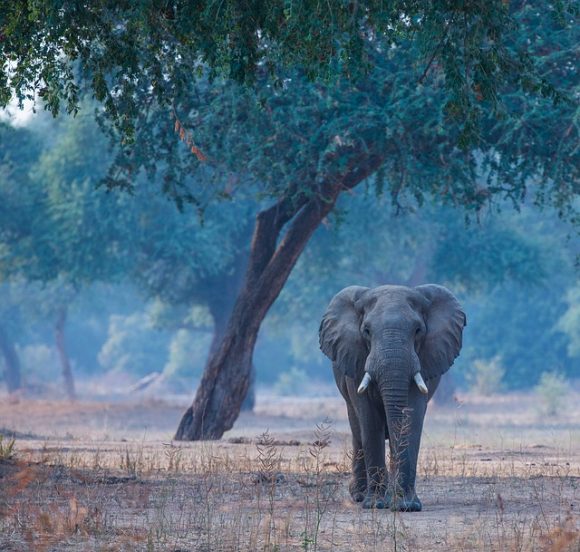
Despite international efforts to curb the ivory trade, elephants continue to face significant threats from poaching. The ivory trade, driven by demand for elephant tusks, has decimated populations, particularly in Africa.
Although a global ban on ivory trade was implemented in 1990, illegal poaching persists, with devastating effects on elephant numbers. Some regions have seen a slight recovery due to conservation efforts, but the threat remains, especially as poachers become increasingly sophisticated.
Sources:
Leave a Reply