


Single-use plastics pose a significant environmental challenge, contributing to pollution and waste worldwide. As awareness grows, many people are seeking ways to reduce their plastic consumption and minimize their ecological footprint.
You can make a real difference by adopting simple yet effective strategies to cut down on single-use plastics in your daily life. This article explores 11 unexpected approaches that go beyond the usual tips, offering fresh perspectives on reducing plastic waste. By implementing these ideas, you’ll be taking meaningful steps towards a more sustainable lifestyle.
1) Use beeswax wraps instead of plastic wrap

Beeswax wraps offer an eco-friendly alternative to plastic wrap for food storage. These reusable wraps are made from cotton fabric coated with beeswax, jojoba oil, and tree resin.
You can use beeswax wraps to cover bowls, wrap sandwiches, or store fruits and vegetables. The warmth of your hands softens the wrap, allowing it to mold around containers and food items.
Beeswax wraps are washable and can last up to a year with proper care. Simply rinse them with cool water and mild soap, then air dry.
Unlike plastic wrap, beeswax wraps are biodegradable and compostable at the end of their lifespan. They also allow food to breathe, which can help keep produce fresher for longer.
You can purchase beeswax wraps from various retailers or make your own at home. DIY kits are available, or you can follow online tutorials using beeswax pellets and cotton fabric.
2) Ditch bottled drinks for pu erh tea brewed at home

One of the simplest yet most impactful ways to cut down on single-use plastics is to ditch bottled drinks and make your own beverages at home.
Instead of grabbing a plastic bottle of iced tea or soda, brew a fresh pot of Pu Erh tea.
Not only does brewing your own tea at home eliminate the need for plastic bottles and caps, but you can also enjoy the various Pu Erh tea benefits packed with antioxidants and health-promoting properties.
Plus, brewing your own tea allows you to control the strength and flavor, letting you enjoy a refreshing drink with a balanced amount of Pu Erh tea caffeine to keep you energized throughout the day.
All you need is loose-leaf Pu Erh tea, a reusable infuser, and a glass or stainless steel bottle.
Switch to homemade Pu Erh tea, and you’re not only reducing plastic waste but also enjoying a natural, flavorful drink that can be served hot or cold. It’s a win-win for your health and the planet!
3) Opt for bamboo cutlery over plastic utensils
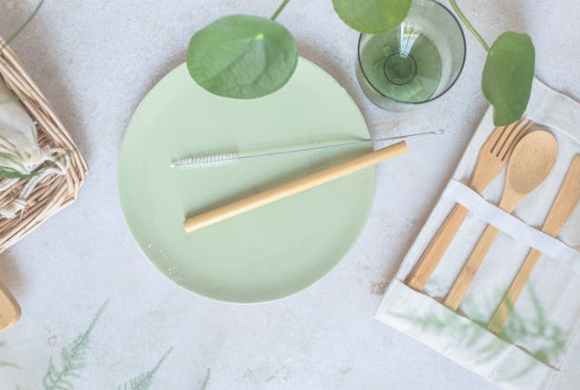
Bamboo cutlery offers an eco-friendly alternative to single-use plastic utensils. These lightweight and durable utensils are perfect for picnics, camping trips, and take-out meals.
Bamboo grows quickly and requires minimal resources, making it a sustainable choice. Unlike plastic, bamboo cutlery biodegrades naturally, reducing environmental impact.
You can find bamboo forks, spoons, and knives in various styles and sizes. Many sets come with carrying cases, making them convenient for on-the-go use.
Bamboo cutlery is reusable, saving you money in the long run. Simply wash them with soap and water after each use.
Consider keeping a set in your car, office, or bag to avoid using plastic utensils when eating out. This small change can significantly reduce your plastic waste over time.
Some bamboo cutlery sets include additional items like chopsticks and straws, further expanding your plastic-free options.
4) Install a water filtration system instead of using bottled water

Switching to a water filtration system can significantly reduce your plastic waste. By installing a filter at home, you eliminate the need for bottled water and its associated plastic packaging.
There are various types of water filtration systems available to suit your needs. Countertop filters, under-sink systems, and whole-house filters offer different levels of purification and convenience.
These systems remove contaminants and improve taste, often providing water quality comparable to or better than bottled alternatives. You’ll have access to clean, fresh water without the environmental impact of single-use plastic bottles.
Investing in a filtration system can also save you money in the long run. The initial cost is quickly offset by the savings from not purchasing bottled water regularly.
Filtered tap water is not only environmentally friendly but also more convenient. You’ll never run out of clean water, and you won’t need to lug heavy bottles from the store.
5) Choose glass storage containers
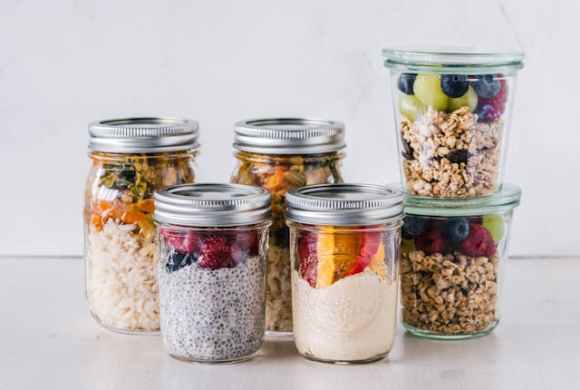
Glass containers offer a durable and eco-friendly alternative to plastic for storing food and other items. You can find them in various sizes and shapes to suit your needs.
These versatile containers are perfect for keeping leftovers fresh in the refrigerator or storing dry goods in your pantry. They’re also microwave-safe, making reheating meals quick and convenient.
Glass is non-porous, so it doesn’t absorb food odors or stains like plastic can. This feature keeps your food tasting fresh and maintains the container’s appearance over time.
You can easily clean glass containers in the dishwasher or by hand. Their smooth surface makes them simple to wipe down and sanitize, ensuring proper hygiene for your food storage.
When you choose glass containers, you’re making a long-term investment. They’re more durable than plastic and can last for years with proper care. This longevity helps reduce waste and saves you money in the long run.
Consider replacing your plastic containers gradually as they wear out. This approach allows you to transition to glass storage without unnecessary waste or expense.
6) Switch to a metal straw

Metal straws are a durable and eco-friendly alternative to single-use plastic straws. You can easily carry one in your bag or keep it at home for daily use.
These reusable straws come in various sizes and styles, including straight, bent, and even collapsible options. You can choose the one that best fits your needs and preferences.
Metal straws are typically made from stainless steel, making them sturdy and long-lasting. They’re easy to clean with a small brush that often comes included with the purchase.
Using a metal straw can significantly reduce your plastic waste. It’s a simple change that can make a big difference over time.
Many cafes and restaurants now offer metal straws as an option. You can also bring your own when dining out or grabbing a drink on the go.
Remember to rinse your metal straw after each use and give it a thorough cleaning regularly to maintain hygiene. With proper care, your metal straw can last for years.
7) Buy bar soap instead of liquid soap in plastic bottles

Switching to bar soap is an easy way to reduce plastic waste. Bar soap typically comes wrapped in paper or cardboard, which is more eco-friendly than plastic bottles.
Bar soap lasts longer than liquid soap, meaning you’ll buy less frequently. This reduces packaging waste over time. You can find bar soap for hand washing, body washing, and even shampoo and conditioner.
Look for locally made or artisanal bar soaps to further reduce environmental impact. These often use natural ingredients and minimal packaging.
Consider a soap dish or soap saver to extend the life of your bar soap. This prevents waste from the soap dissolving too quickly.
If you prefer liquid soap, try refilling stations where available. Bring your own container to refill with bulk liquid soap, cutting down on plastic waste.
8) Wear clothes made from natural fibers

Choosing clothes made from natural fibers can significantly reduce your plastic footprint. Synthetic fabrics like polyester, nylon, and acrylic are essentially plastic fibers derived from petroleum.
Natural fibers such as cotton, linen, wool, and silk are biodegradable alternatives. These materials break down naturally at the end of their lifecycle, unlike synthetic fabrics that release microplastics when washed.
You can start by checking clothing labels before purchasing. Look for items made from 100% natural fibers or high percentages of natural materials.
Consider investing in quality pieces that last longer. This approach reduces the need for frequent replacements, further minimizing plastic waste.
Thrift shopping is another eco-friendly option. You can find pre-owned clothing made from natural fibers, extending their life and keeping them out of landfills.
It’s also essential to care for your natural fiber clothes properly. Follow washing instructions to maintain their quality and longevity, reducing the need for replacements.
9) Pack lunches in stainless steel containers

Stainless steel containers offer a durable and eco-friendly alternative to single-use plastic bags or containers for packing lunches. These containers are long-lasting and can be used repeatedly, significantly reducing plastic waste.
You can find stainless steel containers in various sizes and shapes to accommodate different food items. They’re perfect for sandwiches, salads, fruits, and snacks. Many come with compartments, allowing you to separate different foods within the same container.
Stainless steel is naturally BPA-free and doesn’t leach chemicals into your food. It’s also easy to clean and dishwasher-safe, making it a convenient option for daily use. These containers are lightweight yet sturdy, making them suitable for both adults and children.
By switching to stainless steel containers, you’ll not only reduce plastic waste but also save money in the long run. While the initial cost may be higher than disposable options, their durability ensures they’ll last for years.
Consider investing in a set of stainless steel containers for your entire family. This simple change can have a significant impact on reducing your household’s plastic consumption over time.
10) Use a refillable coffee cup
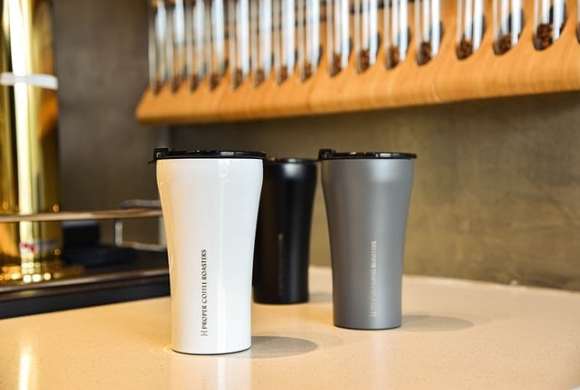
Switching to a refillable coffee cup can significantly reduce your plastic waste. Many coffee shops now offer discounts for customers who bring their own cups, saving you money in the long run.
Choose a durable cup made from materials like stainless steel, glass, or bamboo. These options are long-lasting and easy to clean, making them ideal for daily use.
Consider the size that best fits your needs. Some refillable cups come with measurement markings, allowing you to accurately gauge your coffee intake.
Look for cups with secure lids to prevent spills during your commute. Insulated options can keep your beverage hot for hours, perfect for long workdays or outdoor activities.
Remember to rinse your cup after each use and wash it thoroughly at the end of the day. This helps maintain hygiene and extends the life of your refillable cup.
11) Carry a reusable shopping bag

Plastic shopping bags are a major source of single-use plastic waste. By switching to reusable bags, you can significantly reduce your plastic consumption.
Keep a few sturdy, reusable bags in your car or by your front door. This ensures you’ll have them handy when heading to the store. Choose bags made from durable materials like canvas or recycled plastic.
Many stores offer small discounts for bringing your own bags. These savings can add up over time, providing a financial incentive for your eco-friendly choice.
Reusable bags often hold more items than flimsy plastic ones. This means fewer trips from the car to your house when unloading groceries.
When not in use, fold your reusable bags and store them in compact pouches. This makes them easy to tuck into a purse or backpack for unexpected shopping trips.
Also remember to wash your reusable bags regularly. This maintains hygiene, especially when carrying fresh produce or meat products.
Leave a Reply