

Alfalfa is a unique plant that’s commonly grown to feed livestock, but its benefits extend far beyond animal nutrition. As a legume crop, alfalfa not only provides nourishment but also offers a range of environmental benefits, making it an ideal choice for sustainable agriculture.
Its deep roots, nutrient-rich leaves, and positive impact on soil health make alfalfa an exceptional crop that supports both farming and the environment.
Want to know more about this plant? Follow through.
Alfalfa? Sounds Like Something Funny

Alfalfa (Medicago sativa) is a green, leafy plant in the legume family, which also includes peas, beans, and lentils. This hardy plant grows up to one meter (about three feet) tall and blooms with clusters of small purple or blue flowers. Alfalfa is characterized by its deep root system, which can extend several meters into the ground, allowing it to access nutrients and water that other plants might not reach.
In agriculture, alfalfa is primarily cultivated as a high-nutrient feed crop for livestock, particularly for animals like cows, horses, and goats. Farmers value alfalfa for its rich nutritional profile, which helps animals grow strong and healthy. Alfalfa hay and silage are stored to feed livestock during the winter months when fresh grass is scarce, providing a reliable food source for farms year-round.
Besides its role in animal feed, alfalfa is also consumed by humans. The plant’s young leaves and sprouts are used in salads and smoothies, and alfalfa supplements are popular for their health benefits. Alfalfa is packed with vitamins, minerals, and antioxidants, making it a nutritious addition to diets for both animals and people.
What It Contains
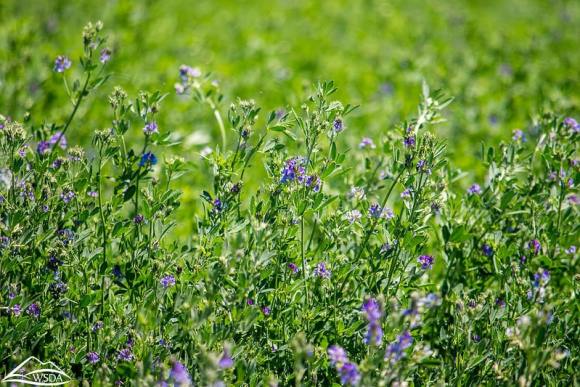
Alfalfa has a lot of beneficial nutrition in it, therefore it is often used as a source of nutrition both for human and livestock.
For Livestock
Alfalfa is highly valued in livestock farming because it’s packed with protein, fiber, and important vitamins like vitamin A and vitamin K, which support growth and immune health in animals. This makes alfalfa one of the best crops for feeding livestock.
Its high protein content is particularly beneficial for dairy cows, as it supports milk production, helping farmers meet the nutritional needs of their animals and maximize yields.
For farmers, alfalfa is a versatile crop. It’s harvested as hay, which can be stored and used to feed animals during colder months, or as silage, which ferments to provide a nutritious feed option. The fiber content in alfalfa also aids digestion in herbivores, ensuring that animals receive a balanced diet that supports their overall health and productivity.
For Human Consumption
Alfalfa sprouts are enjoyed by many people as a healthy addition to salads, sandwiches, and smoothies. They are crunchy and contain important nutrients, including calcium, iron, and antioxidants, which support bone health, energy levels, and immune function.
Alfalfa is also used in herbal supplements, as it’s believed to help with digestion, boost immunity, and improve overall wellness. Its rich nutrient profile makes alfalfa a valuable dietary addition for those looking to enhance their nutrition naturally.
How Alfalfa Benefits the Environment

Alfalfa is a remarkable plant not just for its nutritional value but also for its positive impact on the environment. Here’s how alfalfa supports ecological health and sustainability:
Soil Enrichment and Nitrogen Fixation
One of alfalfa’s most significant environmental benefits is its ability to improve soil health through nitrogen fixation. As a legume, alfalfa works with soil bacteria to convert nitrogen from the air into a form that plants can use. Nitrogen is a key nutrient for plant growth, and by adding it to the soil, alfalfa enriches the land, making it more fertile for other crops.
This natural process reduces the need for synthetic fertilizers, which can harm the environment by leaching into water supplies and contributing to pollution. By enhancing soil fertility, alfalfa supports sustainable farming practices, allowing for healthier, more productive land without the environmental cost of chemical inputs.
Prevention of Soil Erosion
Alfalfa’s deep root system helps to prevent soil erosion, a common problem in agricultural areas where soil can be easily washed away by rain or wind. The roots of alfalfa bind the soil, particularly on sloped land, reducing erosion and helping maintain the land’s integrity.
This stabilization effect is crucial for preserving soil health and productivity, as erosion can strip away nutrient-rich topsoil, leaving land less suitable for future crops.
Furthermore, by holding the soil together, alfalfa reduces sediment runoff into rivers and streams, which helps protect water quality. This benefit is especially important in areas with high rainfall, where soil erosion and water pollution are greater risks.
Adding Organic Matter to the Soil
Alfalfa also improves soil structure by adding organic matter. When alfalfa plants die, their leaves and roots decompose, releasing nutrients back into the soil.
This natural process enriches the soil with organic matter, which helps retain moisture and boosts nutrient availability for other plants. As a result, soil with organic matter is better able to support plant growth and requires less irrigation, benefiting both the environment and farmers.
Sustainable Farming with Alfalfa
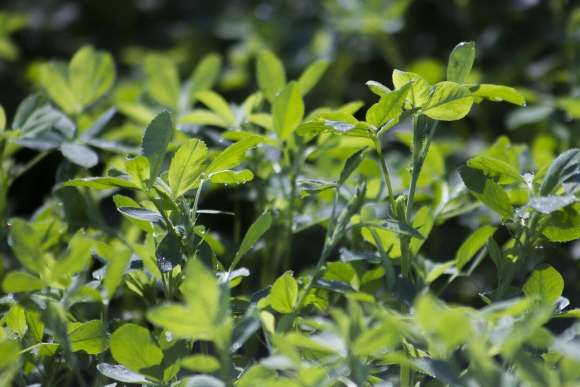
Alfalfa is an ideal crop for sustainable farming, as it requires fewer resources and supports diverse ecological benefits. Here are some ways alfalfa contributes to environmentally friendly agricultural practices:
Efficient Water Usage
One of the reasons alfalfa is valued in sustainable agriculture is its efficient use of water. Thanks to its deep roots, alfalfa can access water that’s stored far below the surface, reducing its dependence on frequent irrigation.
This water-saving quality makes alfalfa a suitable crop for areas prone to drought, allowing farmers to grow it even in regions where water resources are limited.
Crop Rotation Benefits
Farmers often use alfalfa in crop rotation, a practice that involves planting different crops in a field each year to maintain soil health. Alfalfa’s nitrogen-fixing properties enrich the soil, making it more productive for crops like wheat or corn that are planted in rotation.
Support for Biodiversity
Alfalfa fields are beneficial for biodiversity, providing habitats and food sources for various insects, birds, and small animals. Pollinators, such as bees, are particularly attracted to alfalfa flowers, which provide nectar and help sustain bee populations.
Pollinator-friendly crops like alfalfa play an important role in supporting local ecosystems and help maintain biodiversity, which is important for resilient, balanced environments.
Alfalfa’s environmental benefits extend to its role in climate-friendly agriculture. Because it requires less water and fewer chemical inputs, alfalfa farming has a lower carbon footprint than many other crops.
Its deep roots help store carbon in the soil, which can reduce greenhouse gas emissions—a key factor in combating climate change.
Sources:
Leave a Reply