

Sunflowers are widely recognized for their tall, bright, and sunny blooms, but their value goes far beyond their aesthetic appeal. These resilient plants play an important role in agriculture, nutrition, and environmental health, offering benefits to people, animals, and ecosystems alike.
From providing nutrient-rich food to helping clean polluted soils, sunflowers have proven to be a valuable crop with a range of uses.
Just to appreciate this plant that has incredible values to hour lives silently, let’s talk about it further and further until we can all on the same page of appreciation.
What Are Sunflowers?

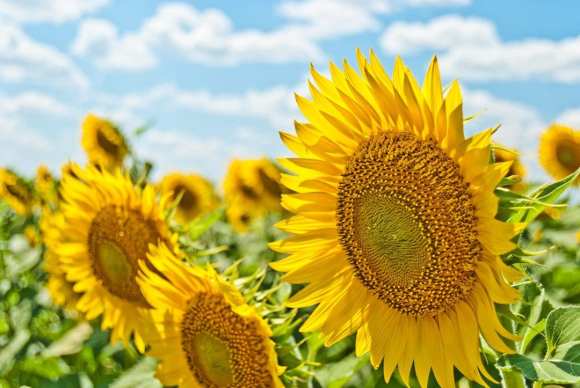
Sunflowers (Helianthus annuus) are tall, vibrant plants with large yellow petals surrounding a dark, seed-filled center. Known for their unique behavior of “following” the sun, young sunflower heads perform a process called heliotropism, turning from east to west as the sun moves across the sky.
This movement helps young sunflowers maximize photosynthesis and grow tall and strong before their heads mature and remain facing east. Native to North America, sunflowers thrive in temperate climates with plenty of sunlight, and they can grow to impressive heights—up to 3 meters (10 feet) tall in some cases.
Today, sunflowers are grown worldwide as a versatile crop, producing sunflower seeds that are popular as snacks and sunflower oil, which is used in cooking and food production.
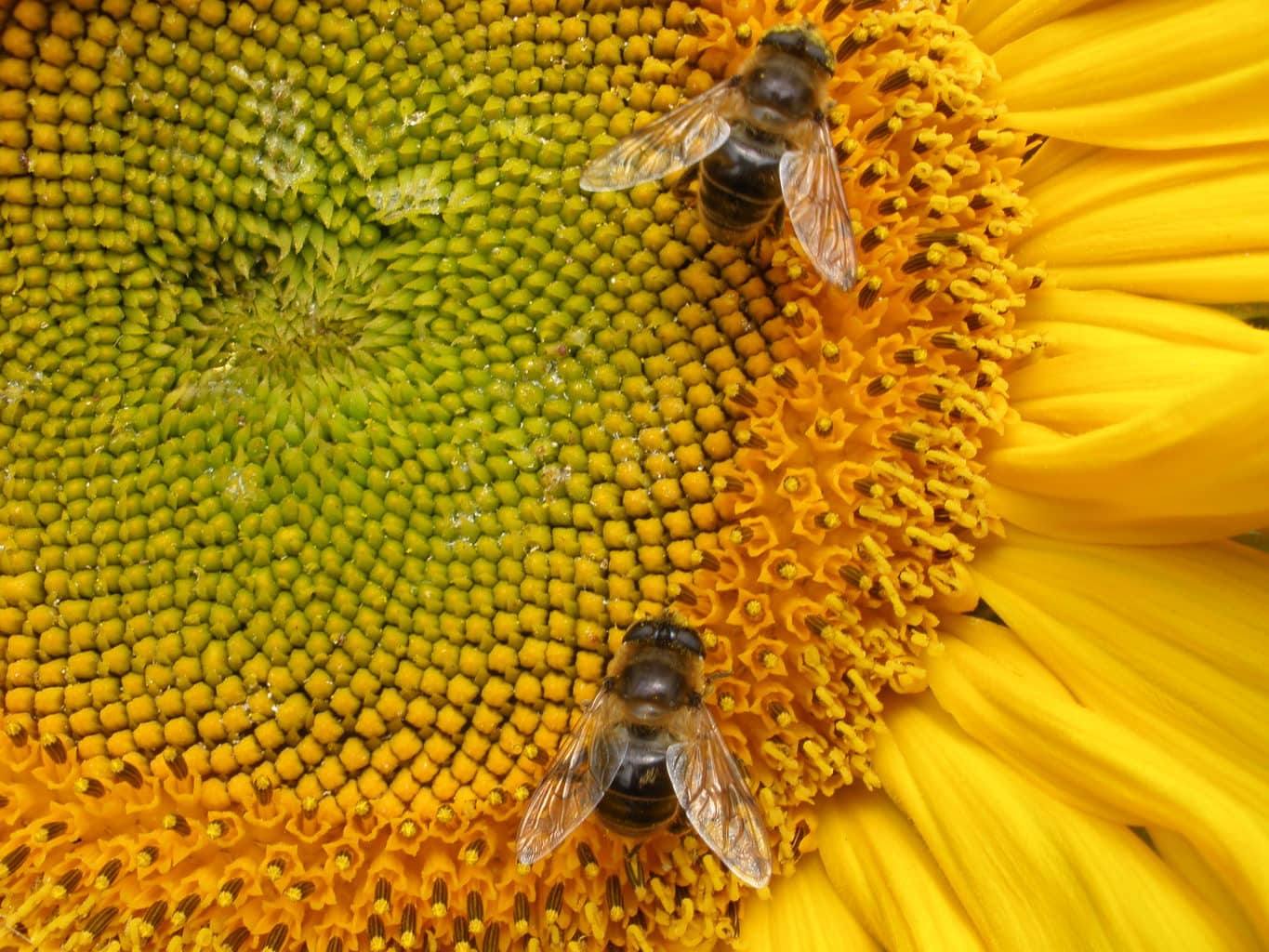
Beyond their agricultural value, sunflowers are celebrated in gardens for their ability to attract pollinators, such as bees and butterflies, which help support biodiversity and local ecosystems.
How Sunflowers Benefit the Environment

Sunflowers contribute significantly to environmental health, benefiting ecosystems and supporting sustainable agriculture. Here’s how sunflowers help the planet:
Supporting Pollinators and Biodiversity
Sunflowers are a magnet for pollinators, including bees, butterflies, and other beneficial insects. Their large, colorful blooms are easy for pollinators to locate, and their pollen and nectar provide important food for these species.
By attracting pollinators, sunflowers contribute to the pollination of nearby plants, fostering biodiversity and supporting the growth of a variety of species within an ecosystem. This relationship is vital, as pollinators are important for food production and the maintenance of healthy ecosystems.
Biodiversity, or the variety of species within an environment, helps keep ecosystems resilient and balanced. By supporting pollinators, sunflowers indirectly encourage the growth of diverse plant species, which, in turn, provide food and habitat for various animals. In this way, sunflowers play a vital role in maintaining ecological balance.
Improving Soil Health
Sunflowers are excellent for enhancing soil health, particularly in areas with compacted or nutrient-poor soil. The deep roots of sunflowers can penetrate and loosen compacted soil, allowing air, water, and nutrients to reach further into the ground.
This improves the soil’s structure, making it more suitable for future crops and supporting sustainable land management.
The strong root system of sunflowers also helps prevent soil erosion, especially on slopes or in areas prone to heavy rainfall. By anchoring the soil in place, sunflower roots reduce the risk of topsoil loss, which is critical for maintaining fertile land and protecting water quality in nearby rivers and streams.
Phytoremediation: Cleaning Polluted Soil
One of the most unique environmental benefits of sunflowers is their ability to clean polluted soils through a process known as phytoremediation. Sunflowers can absorb heavy metals and toxic chemicals from the soil, helping to remove contaminants and restore land quality.
This remarkable ability has led to the use of sunflowers in environmental cleanup projects, particularly in areas contaminated with lead, cadmium, and even radioactive elements.
A famous example of sunflower phytoremediation occurred after the Chernobyl nuclear disaster, where sunflowers were planted to help reduce radiation levels in the soil. The plants absorbed radioactive contaminants, playing a role in the gradual restoration of the affected environment. By using sunflowers as a natural cleanup tool, scientists can address pollution in a more sustainable and cost-effective way.
Sustainable Farming with Sunflowers
Sunflowers are a sustainable crop for farmers, offering benefits in terms of water efficiency, soil health, and low maintenance. Here are some reasons why sunflowers are an excellent choice for eco-friendly agriculture:
Water-Efficient Growth
Sunflowers are well-adapted to dry conditions and require less water than many other crops. Their deep roots allow them to access water stored deep underground, making them more resilient to drought.
This quality makes sunflowers ideal for regions with limited water resources, where water conservation is important. By choosing sunflowers, farmers can grow a productive crop without placing excessive demands on water supplies.
Crop Rotation Benefits
Farmers frequently include sunflowers in crop rotation systems, a practice where different crops are grown in the same field in different seasons. Crop rotation helps keep soil nutrients balanced and prevents the buildup of pests and diseases.
Sunflowers add organic matter to the soil as they decompose, enriching the land for subsequent crops. Because sunflowers also improve soil structure, they prepare the field for crops like corn or wheat, promoting healthier yields without the need for synthetic fertilizers.
Low Maintenance and Reduced Chemical Use
Sunflowers are considered a low-maintenance crop, as they require minimal fertilizers and pesticides. Their natural resilience reduces the need for chemical inputs, which helps lower the environmental impact of farming. By using fewer chemicals, sunflower farming protects soil and water quality and supports the health of local ecosystems.
The Role of Sunflowers in Climate-Friendly Agriculture

Sunflowers contribute to climate-friendly agriculture by reducing the environmental footprint of farming. Their water efficiency, soil-enriching qualities, and ability to remove pollutants make them a valuable crop for sustainable farming practices.
In addition, sunflowers play a role in carbon sequestration by storing carbon in their biomass and roots. This process helps offset greenhouse gas emissions, which makes sunflower farming an environmentally responsible choice. As climate concerns grow, crops like sunflowers will be important for reducing agriculture’s impact on the planet.
See, we can actually get so many benefits from sunflower, and that’s why we promote to plant this plant everywhere you can. If just one plant can give us that many benefits, imagine what can we get for planting many of them.
Sources:
Leave a Reply