


The world is facing a tough problem, how to protect a country’s businesses while also fighting climate change. A good example is how the United States and European countries have put extra taxes, called tariffs, on electric cars (EVs) that come from China.
They say these taxes protect their own car makers from strong competition. But this brings up a big question, is adding taxes on goods the best way to help the world “go green” faster?
Car Wars
The U.S. has a history of dealing with tough competition from foreign car companies. In the 1970s and 1980s, car companies from Japan, like Toyota, started selling many affordable and fuel-efficient cars in the U.S.
This made things really hard for big American car companies like Ford. Many Americans lost their jobs. But the U.S. government, led by President Ronald Reagan, didn’t just try to stop Japanese cars from coming in.
Instead, they told American companies to come up with new ideas and make better cars. They even invited Japanese car companies to build their factories right here in the U.S.
This created new jobs for Americans and made the competition better and fairer. In the end, this push from Japanese companies helped American car companies make better, more modern cars.
Now, a similar problem is happening. Chinese companies that make EVs, like BYD, are producing huge numbers of electric cars and selling them worldwide. The U.S. and Europe worry these Chinese EVs could quickly take over their car markets, just like Japanese cars did before.
The U.S. and Europe have already put taxes on many Chinese goods, and they’re thinking about even higher taxes specifically on Chinese EVs and their batteries. This shows they’re worried about depending too much on other countries for these important parts.
Fair Play vs. Green Goals
The main reason for these taxes on Chinese EVs is to create a “fair game.” Western countries say the Chinese government unfairly gives a lot of money help (subsidies) to its EV companies, which lets them sell cars for less. But critics point out that the U.S. and Europe also give money help to their own EV makers, like tax breaks for buyers or money to build charging stations.
The big problem is that these ways to protect local businesses might actually slow down the important fight against pollution from cars. If EVs become more expensive because of these taxes, fewer people might buy them. This shows a difficult choice, how do we protect our own industries and speed up the move to cleaner energy at the same time?
China’s EV industry has gotten way ahead of others. This is mostly because of steady help from the Chinese government and a lot of money invested in new ideas for over ten years. This created a good place for these companies to grow fast. China also smartly works with companies from other countries to learn how to make better batteries.
Also, Chinese EV companies control almost every step of making a car, from getting the raw materials (like lithium for batteries) to building the cars and even shipping them (like BYD uses its own ships).
This helps them keep costs very low, so they can sell their EVs for less money than similar cars from Western countries. On the other hand, car companies in Europe and America have to deal with different rules, higher worker pay, and often not enough places to charge cars, making it harder for them to compete on price.
Electric Cars Are Key?
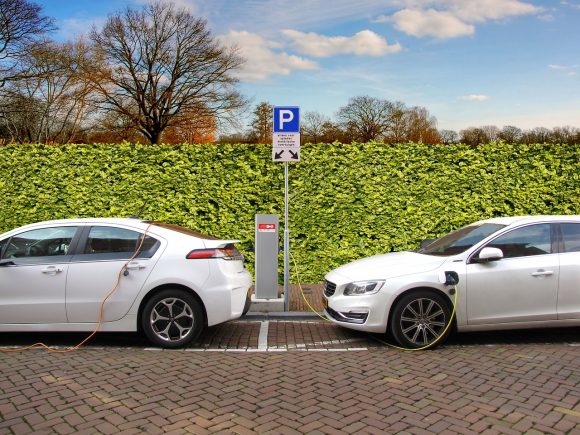
Electric vehicles are super important for cutting down on bad gases that come from cars and trucks. These gases cause the Earth to get hotter and make our air dirty. Cars that burn gasoline release a lot of carbon pollution.
EVs can cut this pollution by a lot (50-70%) over their lifetime, especially if they’re charged using clean energy like solar or wind. Because EVs don’t have smoke coming out of their pipes, they help make the air cleaner too. As our electricity gets cleaner, EVs become even better for the environment, creating a good cycle that helps all energy get cleaner.
Many poorer countries see these taxes by rich nations as unfair. They argue that rich countries caused most of the bad pollution in the past but are now asking poorer countries to make sacrifices.
Yet, these rich countries are taxing affordable, clean technology like Chinese EVs, making it harder for people in developing countries to switch to cleaner options. This causes countries to stop trusting each other and makes it harder to fight climate change together, because they feel the rules are changed when rich countries’ businesses are in trouble.
Go Green and Compete Fairly

Leaders who want to protect their businesses need to think of smarter ways than just putting on taxes. There are some ideas that we can try.
First is to encourage local building and partnerships. Western countries could ask Chinese EV companies to build factories in their own countries or work with local companies.
If they do, they could get lower taxes. This would create local jobs, make manufacturing stronger, and bring new technology, while still offering affordable EVs.
Next is to apply taxes based on how cars are made. Instead of just taxing all Chinese EVs, countries could tax cars differently based on how well they are made for the environment and how workers are treated. Cars made in a greener, fairer way would get lower taxes.
Next is using global trade rules. Countries can use existing global trade rules to deal with unfair trade, like cars being sold too cheaply (called anti-dumping) or getting too much government help.
We may also focus on investing in charging stations and help for buyers. Governments could spend more money building charging stations, making EVs easier to use. They could also offer financial help, like loans or tax breaks, to people buying EVs or building charging spots. This helps everyone buy EVs, local or foreign.
What about working together on new technology? Countries could work together on research to create even better batteries or hydrogen cars. Sharing costs and smart people speeds up new discoveries.
Also we can talk about putting carbon taxes on imports. This idea means putting a tax on goods based on how much carbon pollution was made when they were produced. This makes products made with more pollution cost more, pushing companies worldwide to produce cleaner.
Sources:
Leave a Reply